

Good morning,
We've entered that season when even those of us—myself included—who might argue that 'Japan isn't all that beautiful' (more on that below) find ourselves happily proven wrong, at least for a few months.
Starting in Hokkaido in mid-September, fall colors gradually sweep across the country, mercifully concealing the results of construction decisions that clearly weren't driven by aesthetics. They transform not only the mountains but also the concrete jungles into the wonderlands promised in postcards, Samurai-era movies, or beloved anime. Even the vending machines take a poetic look when covered with the bright yellow leaves of ginkgo trees.
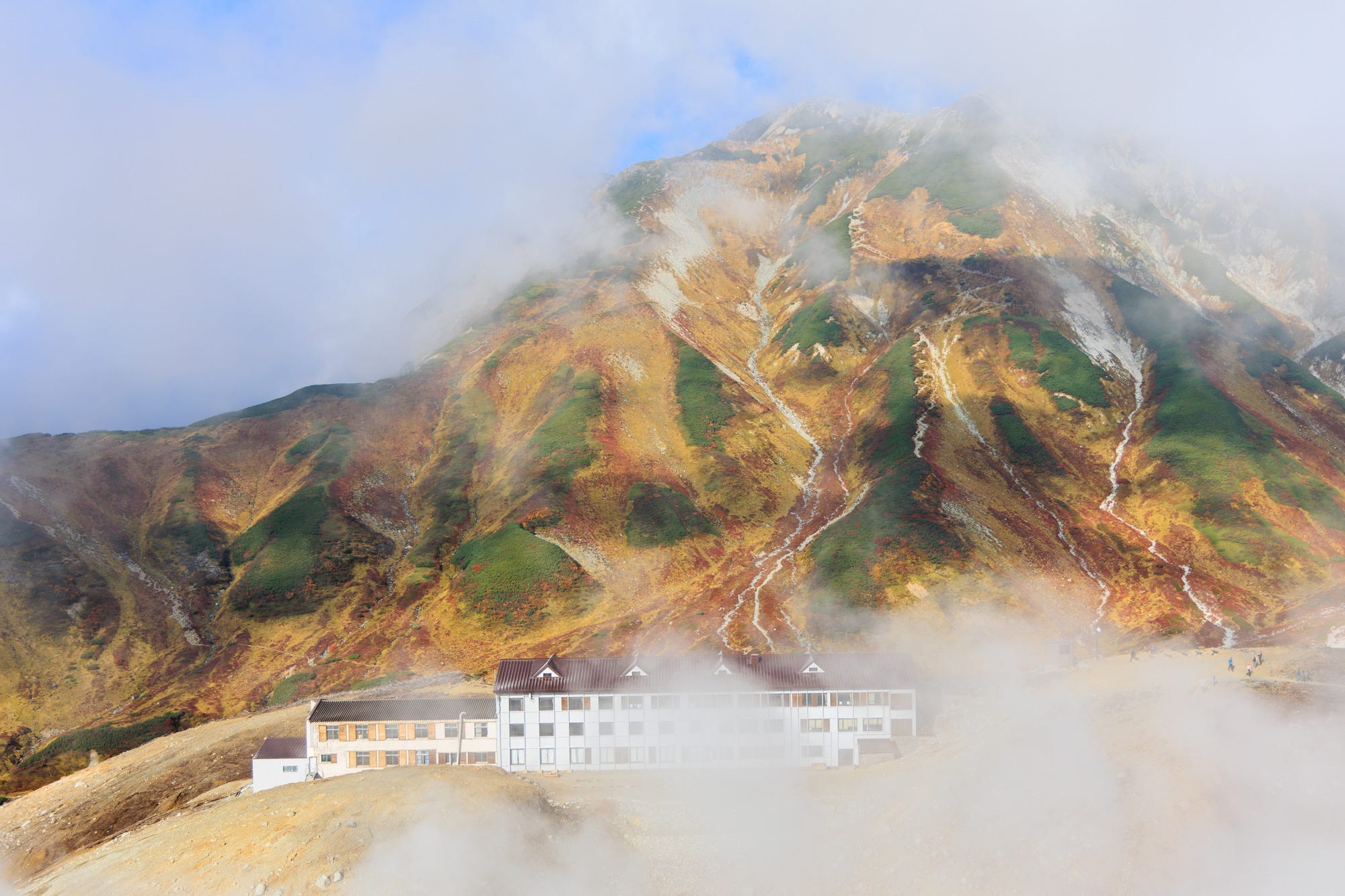
Autumn is when Japan makes its best case for joining the ranks of picture-perfect countries like Norway, Switzerland, or New Zealand, showcasing a visual beauty that nearly matches the depth of its cultural richness.
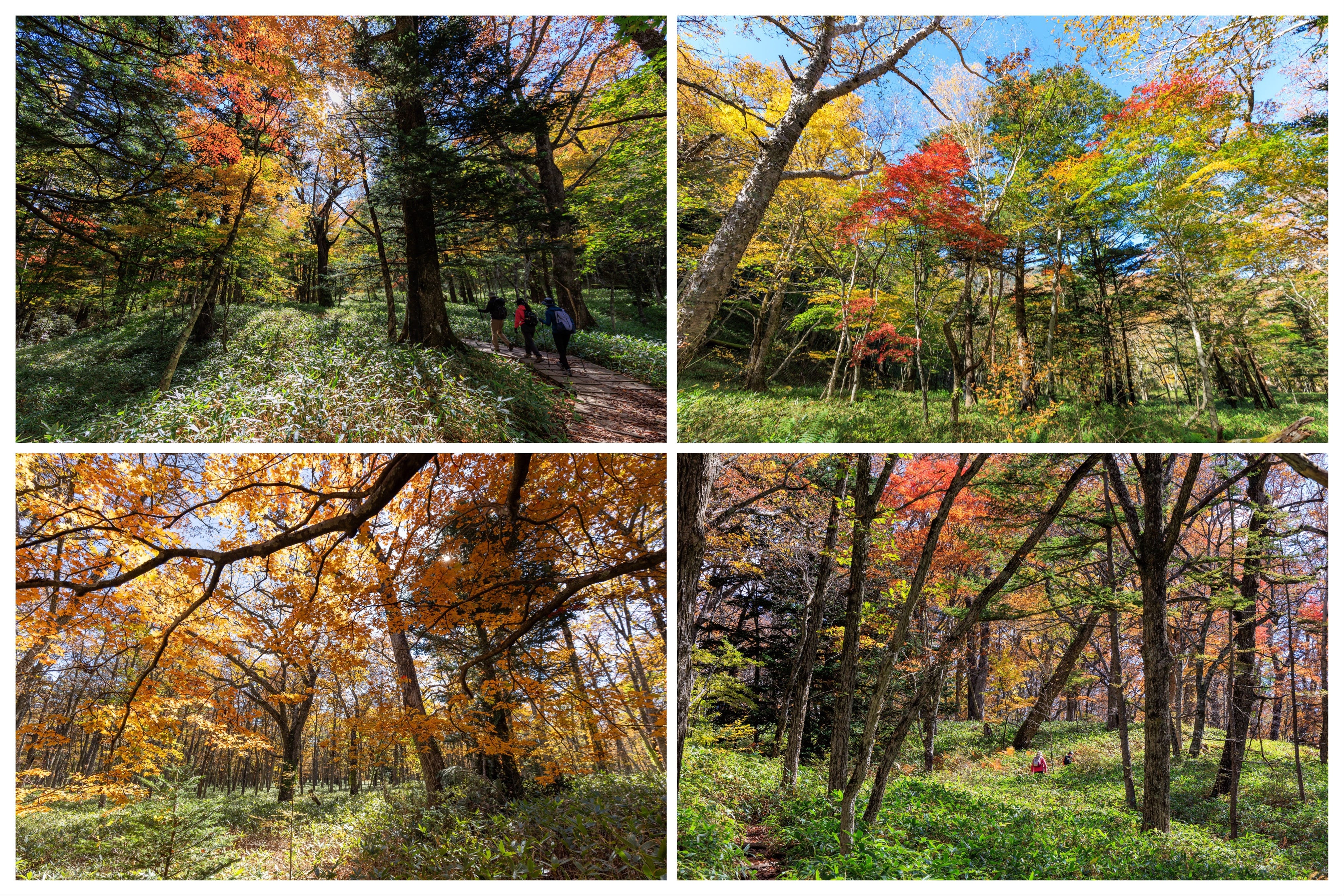
But with all its colorful, effortless beauty, autumn can also be an anxiety-inducing season, leaving me constantly restless, aware that I can’t take all that beauty in. Autumn in Japan is likely the closest I've come to experiencing Stendhal syndrome—not in front of a piece of art, but beneath a tree. If there is a Pure Land, I bet it’s always autumn there, offering perpetual beauty.
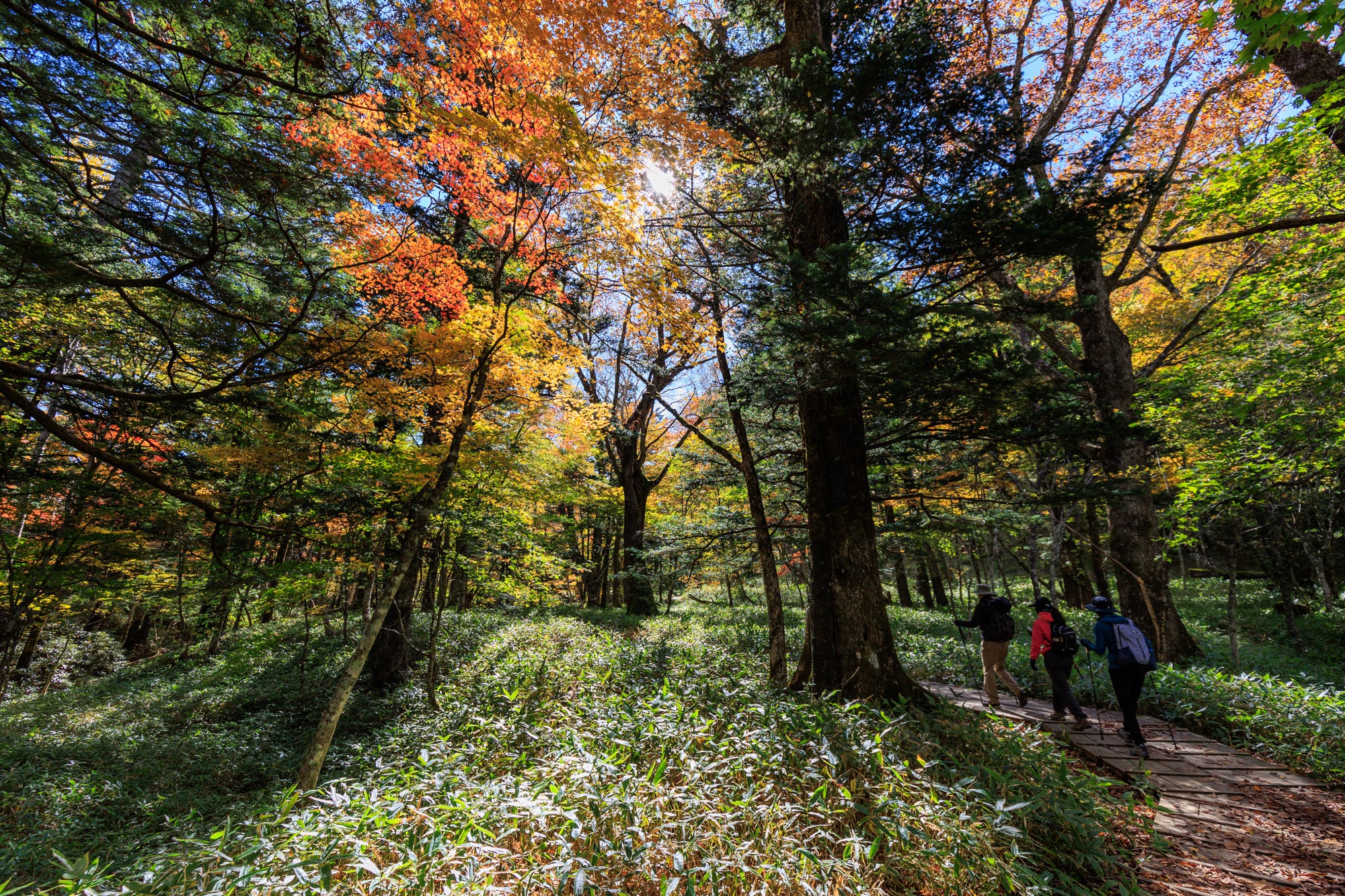
Despite the self-induced anxiety, I still try to make the most of the season by taking as many weekend trips as possible, starting long before the foliage reaches Tokyo. After a much-dreaded cancellation due to unfavorable conditions at the magnificent Daisetsuzan—the first place in Japan to experience fall colors each year—I’ve so far managed two quick overnight trips to the high-altitude regions of Kanto and Chubu, where the colors arrive nearly two months earlier than in Tokyo.
So, this month's letter introduces two fall color destinations, followed by—in the spirit of honesty—my somewhat unconventional views on Japan's overall beauty—opinions that deeply contrast my deep appreciation for the country`s autumn scenery.
Oku-Nikko: the same hotel, the same restaurant, the same trail—every single year
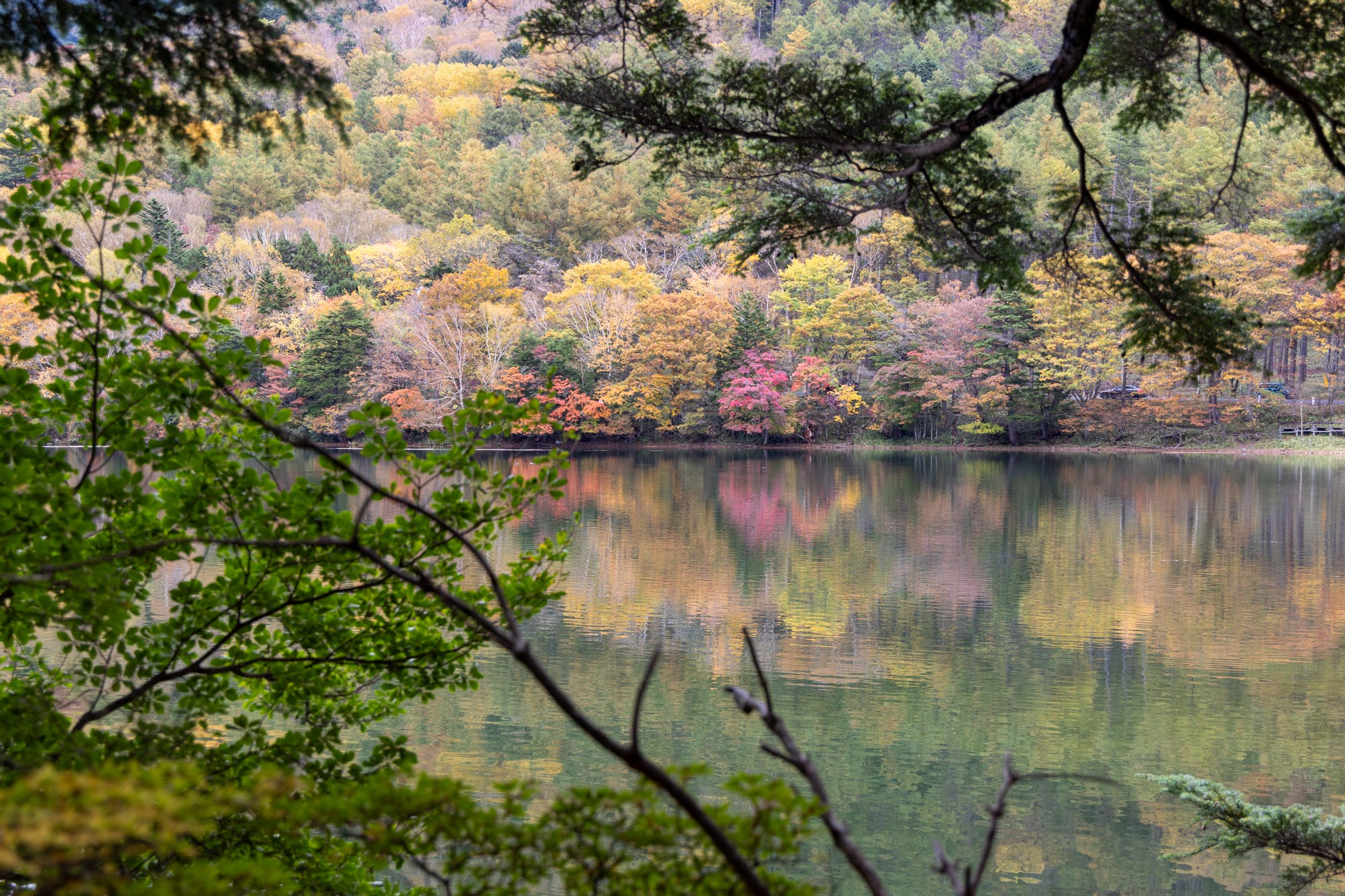
One of the two foliage outings was to Oku-Nikko, which I visit every October (staying at the same hotel, eating at the same restaurant, and hiking the same trails). It might be the best place in Japan to see autumn colors, with diverse landscapes that include mountains, marshlands, a lake, ponds, waterfalls, and a hauntingly beautiful forest home to a healthy population of Asian black bears—who, fortunately, tend to keep to themselves. While the viewing platforms in front of waterfalls, including Kegon, which is among the tallest in the country, Ryuzu, and Yudaki, can get fairly crowded, you are guaranteed a much more secluded experience once you wander into the forest, even during the busiest season.
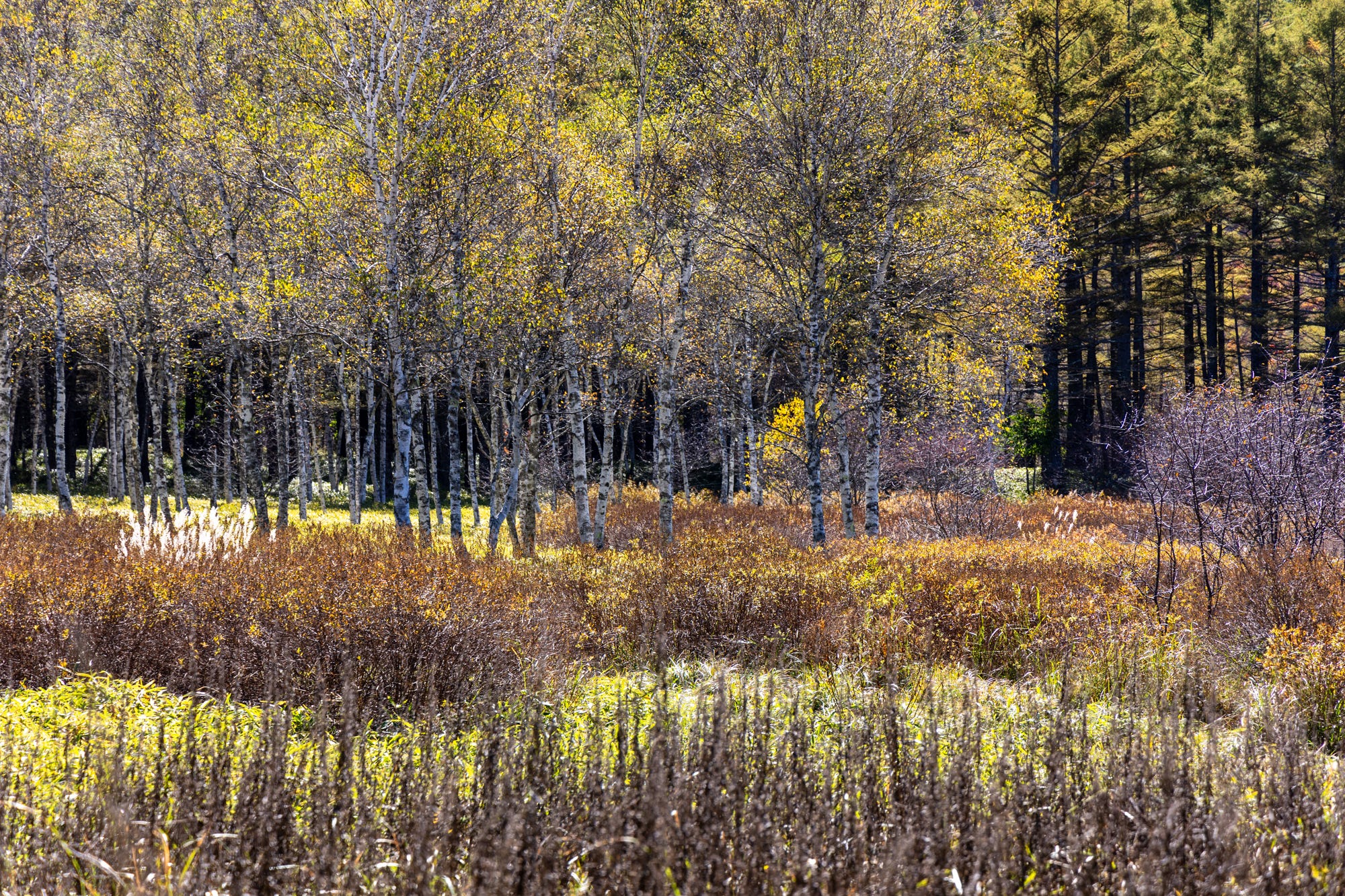
If you happen to be in Japan in October and have time for one nature outing (and want to have your take on the Stendhal Syndrome beneath a tree), I highly recommend Oku-Nikko—not to be confused with the more famous Nikko town, which is home to one of Japan’s most famous shrines, Toshogu. Nikko town is located an hour down in the valley and doesn’t experience fall colors until early November. It is a cozy little town with some picturesque sites, like Shinkyo Bridge, one of Japan`s three finest bridges, but the fall colors experience there is not as captivating as in Oku-Nikko. Here is the more detailed Oku-Nikko post from the blog for more logistics and itinerary-related info.
Tateyama/Mudoro: high altitude foliage viewing
Another overnight trip was to the Murodo/Tateyama Mountain Range in Toyama Prefecture. Although it doesn’t look far from Tokyo on the map, it requires a substantial effort to get to, involving a 2.5-hour Shinkansen ride, a 1-hour local train ride, a 7-minute cable car ride, and a 1-hour local bus ride.
Tateyama consists of three peaks and is one of Japan's three holy mountains, alongside Fuji, the country's tallest mountain, and Hakusan—all believed to possess special powers.
The rest of this post is available to paid Letters from Japan subscribers. Each monthly letter is free to read when published and becomes part of the paid archive when a new monthly letter is published. Paid subscribers receive continuing access to the complete archive of more than 70 posts, including all past monthly letters, additional travel diaries, walking itineraries and other Japan travel resources. You can use the subscription box below to upgrade and continue reading.