A Not-So-Pale View of the Hills: Nagasaki and Beyond
Letters from Japan, May 2026: a trip through Nagasaki, and the islands of Hidden Christianity.
Good afternoon,
It is a lovely, late-spring day in Tokyo, and a simple one.
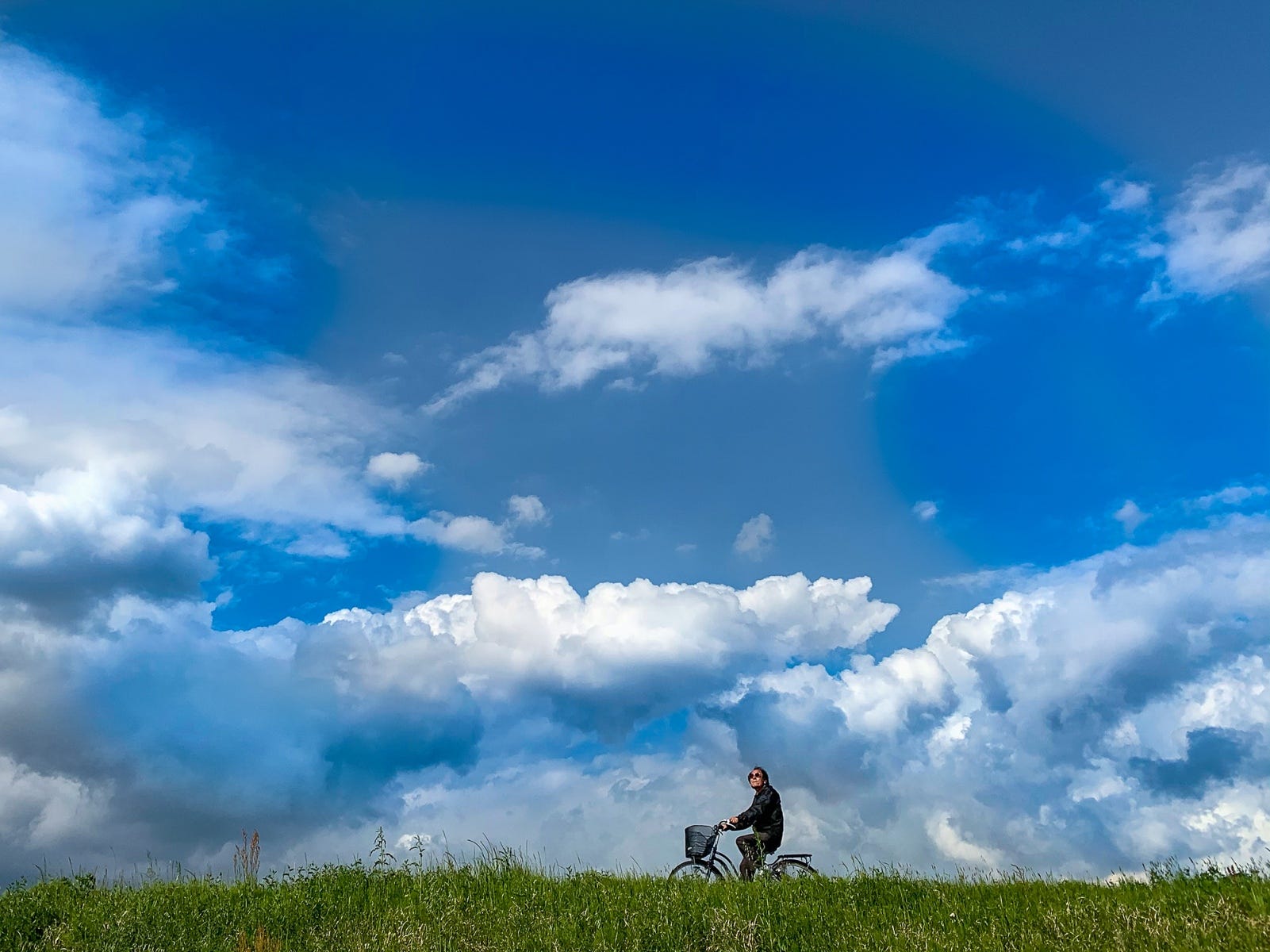
Golden Week is gone, and in the absence of fall colors or sakura (or the divinely beautiful lotus flowers that will not appear until July), there is a less pronounced sense of seasonal urgency. There are just blue skies, occasionally with some puffy clouds, mild lushness in the gardens, and the natural light that famously glides through the city's narrow alleys from dawn till dusk.
There is, of course, also the hint of humidity that will kidnap the entire city in the coming months, but for now, the warmth feels comforting, reminding me of places with normal summer seasons, unlike the unsurvivable version we have here in Japan.
May is one of those months that I catch myself enviously looking at the travelers I see on the train in the morning. I am on my way to work, but they have the whole day ahead of them to explore this very walkable city, which will likely leave them a little disoriented yet curiously charmed. Many sites will be covered, with many more inevitably sacrificed to the city's endlessness.
I don`t know any other city as skillful as Tokyo at keeping you always on your toes. It lets you in just enough to keep you captivated, but also makes it a little teasingly obvious that it has so many other layers you will likely never access, locking you into a continuous, seductive, and sometimes a little exhausting game of hide-and-seek.
But this month's letter is about a city that reveals itself a little more openly and asks a lot less physically, leaving room for the emotional weight it carries. With its deep wounds still out in the open, yet inspiringly contrasted by its vibrant daily life, it is a city I repeatedly find my way back to: Nagasaki.
I am, like many, drawn to Nagasaki for its rich history, defined by centuries of first flourishing, then complicated, and eventually devastating encounters with the outside world. But I am equally captivated by its present-day, inevitably shaped by that past, resulting in a city that feels unmistakably Japanese yet cosmopolitan, in both its architecture and culture.
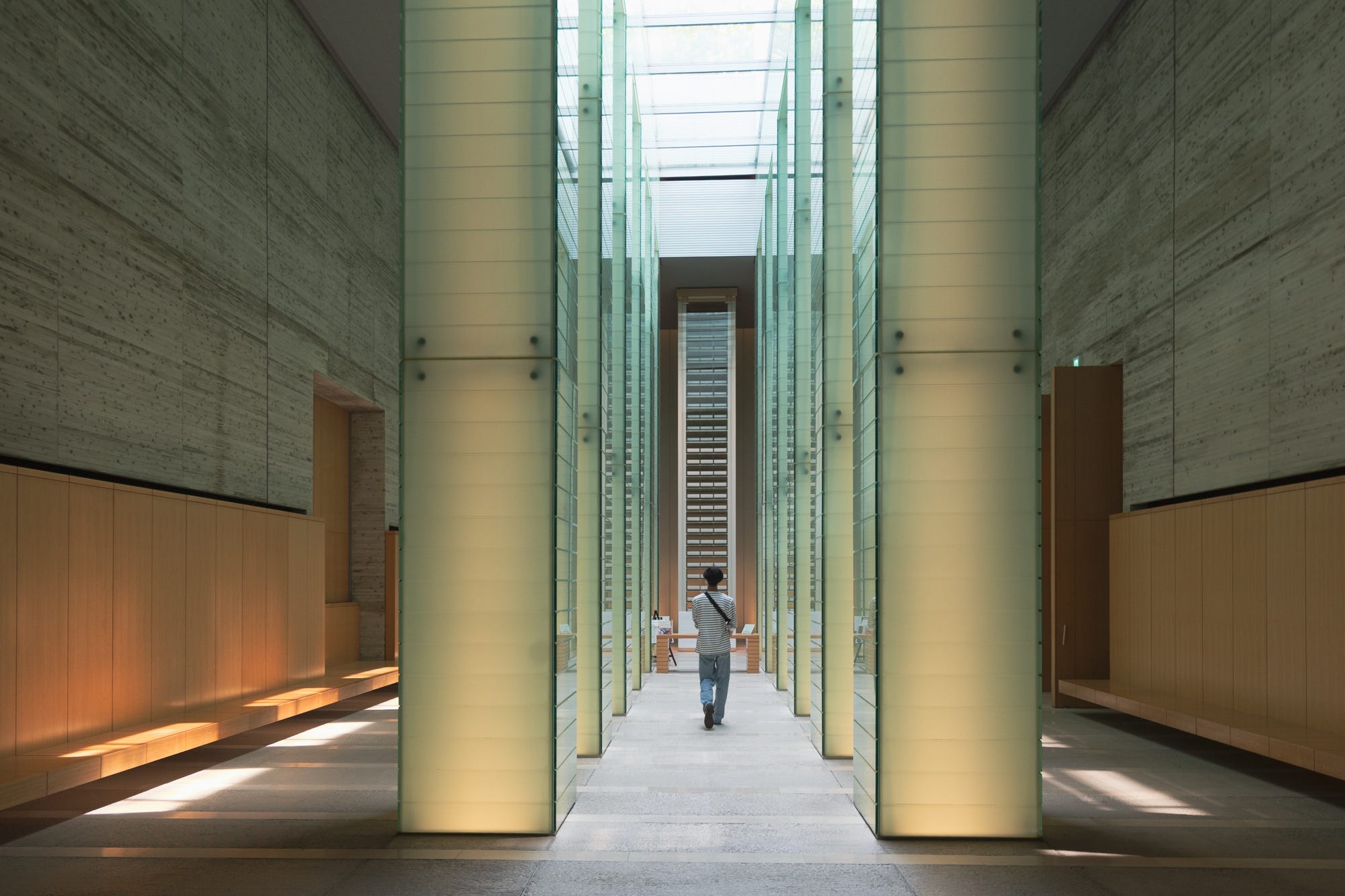
Then there is also its unbelievably flattering geography - a city built around the calm waters of Nagasaki Bay, spreading across steep hills, beautifully depicted in Nagasaki-born Kazuo Ishiguro`s heartbreaking novel A Pale View of the Hills, which tells the story of two women, one mother to a daughter, the other soon to be, trying to cope with the aftermath of the atomic bombing.
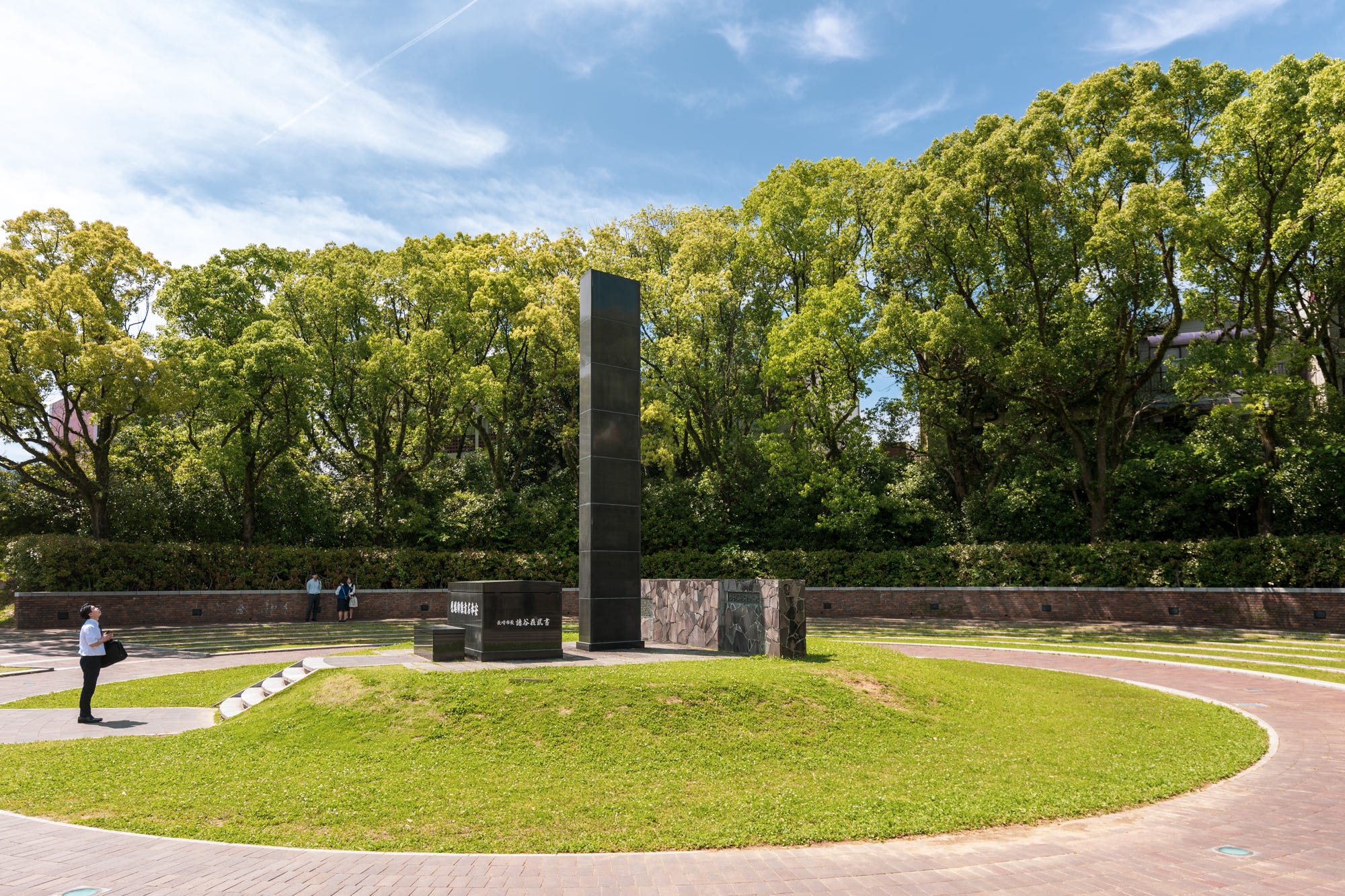
The physical signs of that devastation, delicately woven into Ishiguro's story, are still visible across the city, in the form of a half-standing torii gate, a partially destroyed school building, a camphor tree believed to have died but unexpectedly sprouted new shoots, joining the ranks of hibakujumoku - A-bombed but still standing trees, or the bell of an otherwise entirely destroyed cathedral.
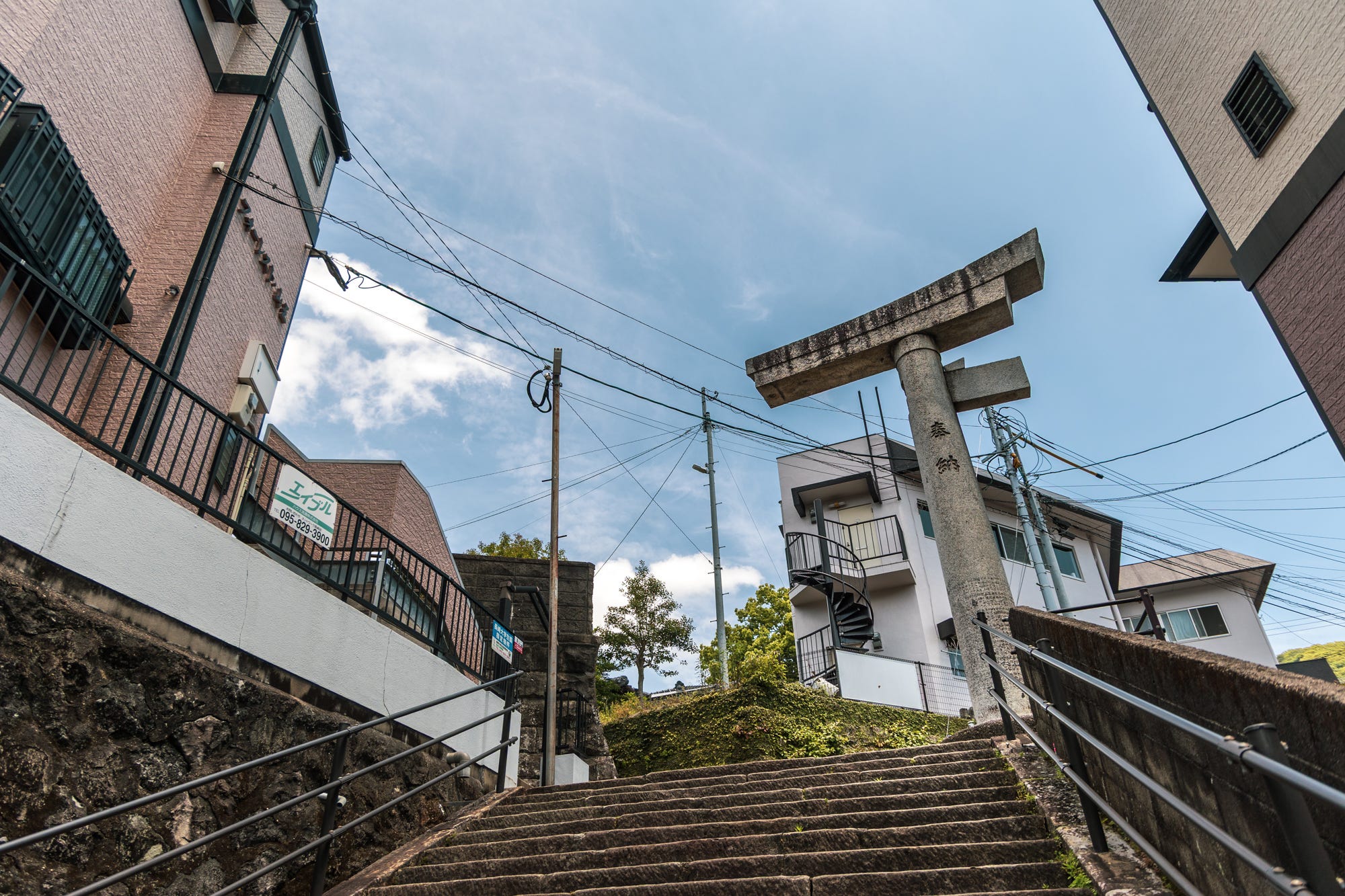
Between the bay and those hills also lies a vibrant city with countless narrow alleys. Their colorful and deliciously chaotic atmosphere makes it obvious that you are in the south - at least south of Japan - even if not in a Southeast Asian city, though you would be forgiven for thinking you were in one. Scooters zig-zag through those alleys all night long, largely unbothered by the pedestrians, who themselves appear to care even less after a certain point in the evening. This is Kyushu, after all.
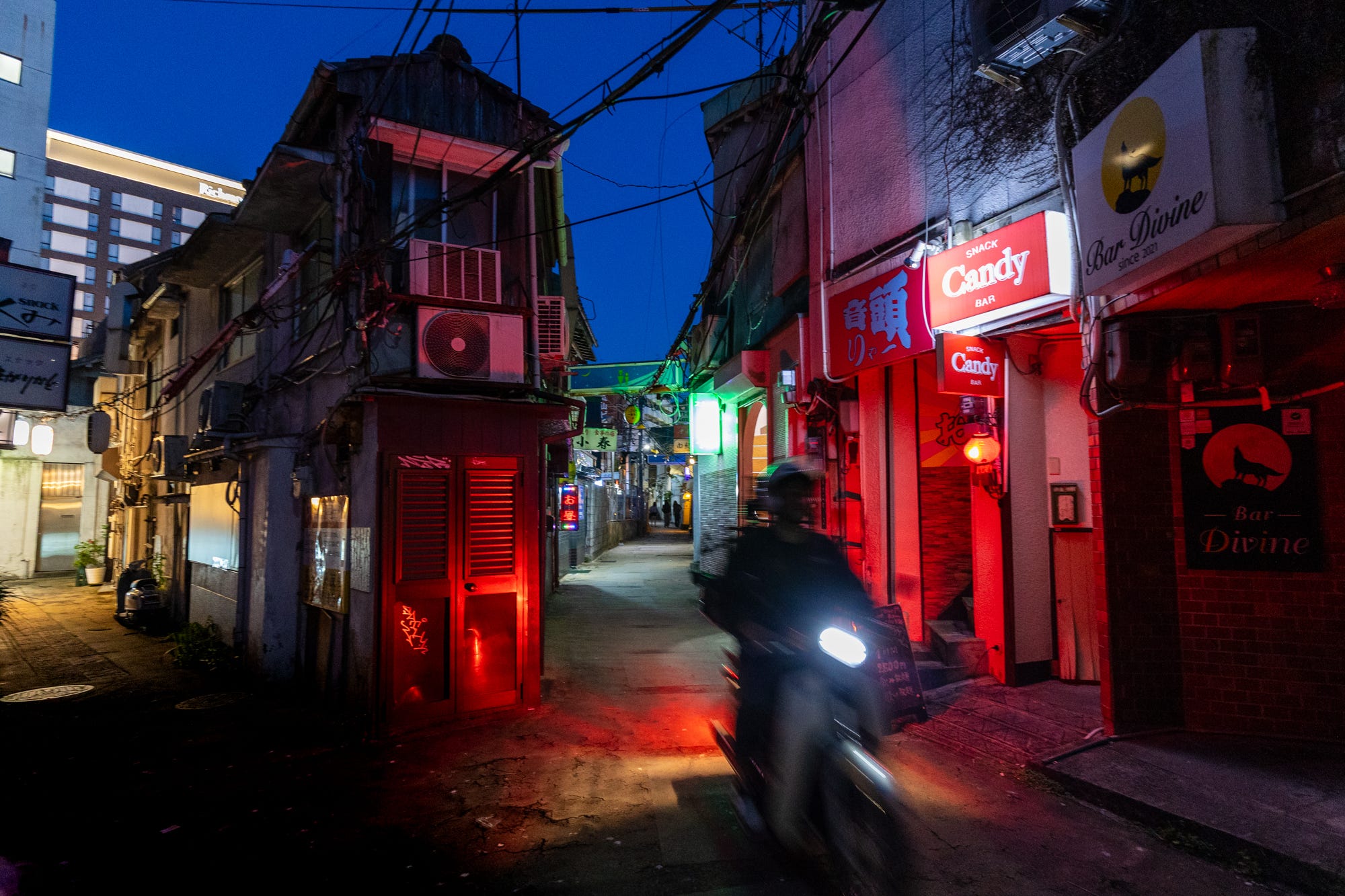
Nagasaki is also one of the few cities in Japan that wholeheartedly embraces the surrounding sea rather than carefully hiding from it. Thanks to the bay's sheltered waters, which make it a little less vulnerable to tsunamis, the city, with a seaside promenade lined with cafés, at times carries the feel of a Riviera town or even the Bosphorus, making me feel both nostalgic for home and at home in Nagasaki.
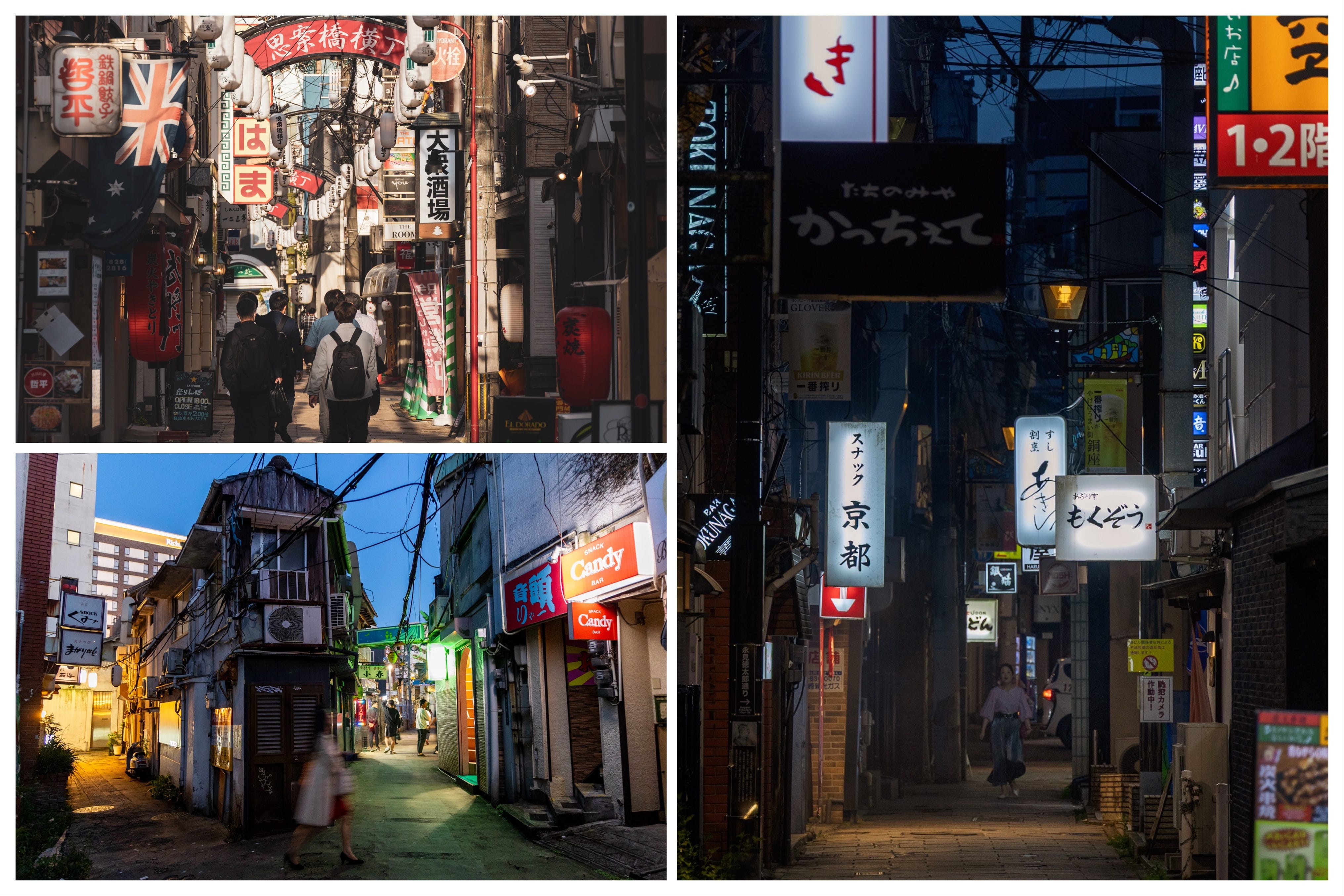
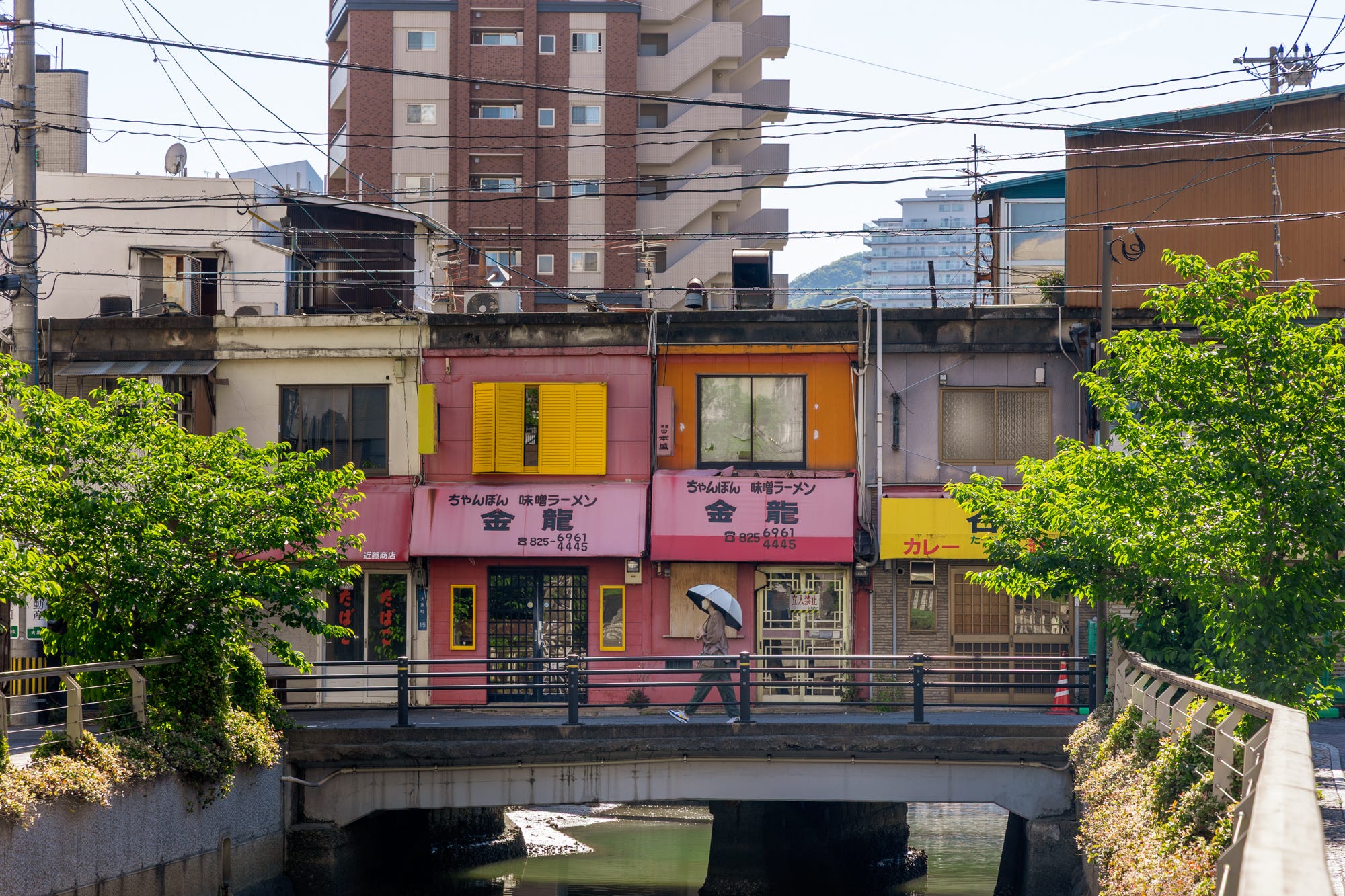
But Nagasaki is also undeniably a Japanese city, sometimes not so easy on the eyes, yet full of visual surprises around every corner. Like the best Japanese cities, it is imperfectly perfect, asking you to look beyond the visual chaos it throws at you and appreciate the city as a whole rather than getting distracted by the unappealing individual buildings.
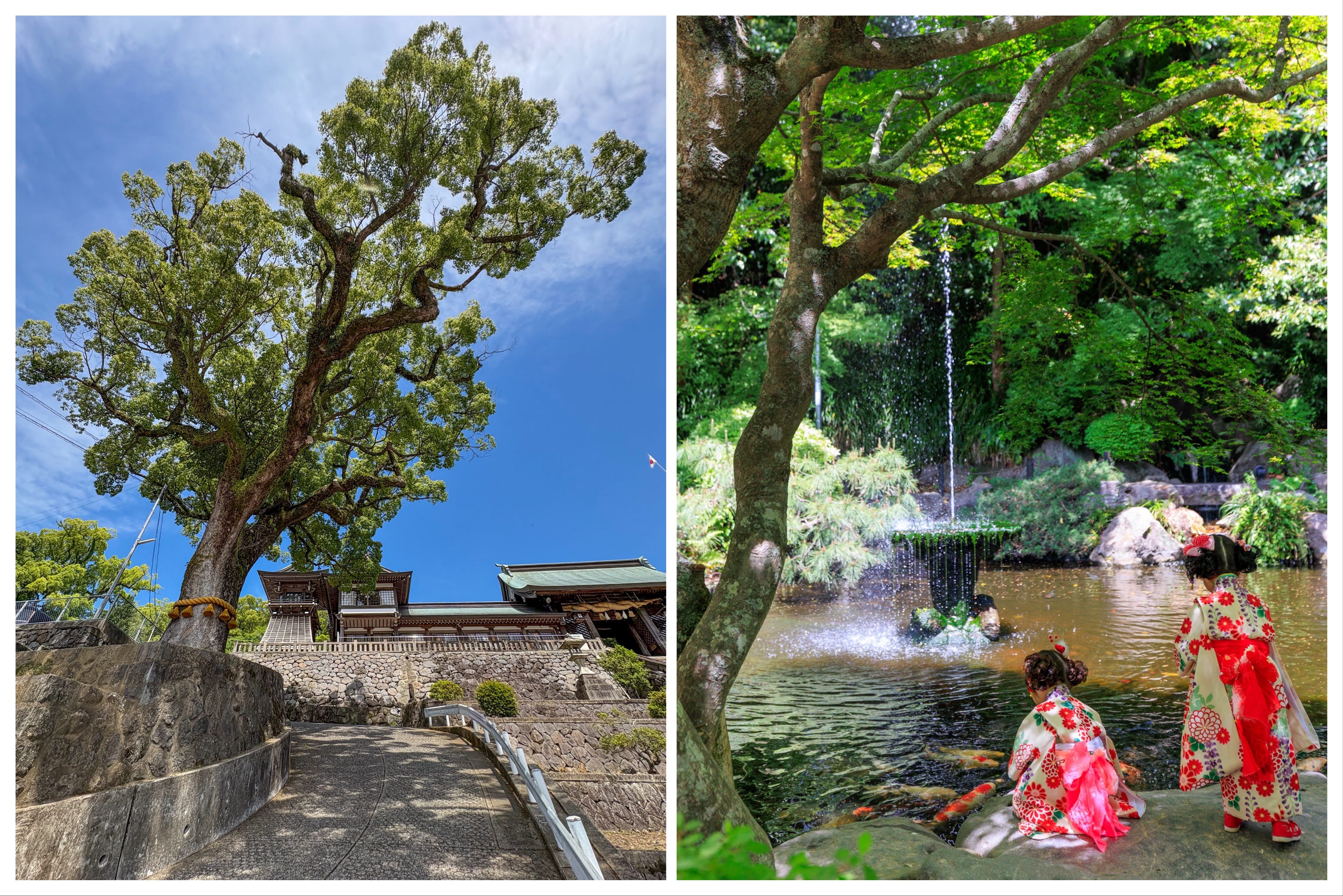
For a more effortless beauty, there is always Teramachi, the street hosting several temples, including Sōfuku-ji, originally built by the city’s Chinese residents in the 17th century, or Suwa Shrine across the river, reportedly built to divert the interest back to the country`s native religion, at a time when Nagasaki was widely seen as the flourishing center of Christianity.
Nagasaki’s long and influential history and the distinct culture it shaped are, of course, not confined to the city's borders.
The entire region, with the Goto Islands to the west, the haunting Shimabara Peninsula to the east, and the Amakusa Islands to the south, carries the traces of centuries shaped by Nagasaki’s complicated relationship with the outside world.
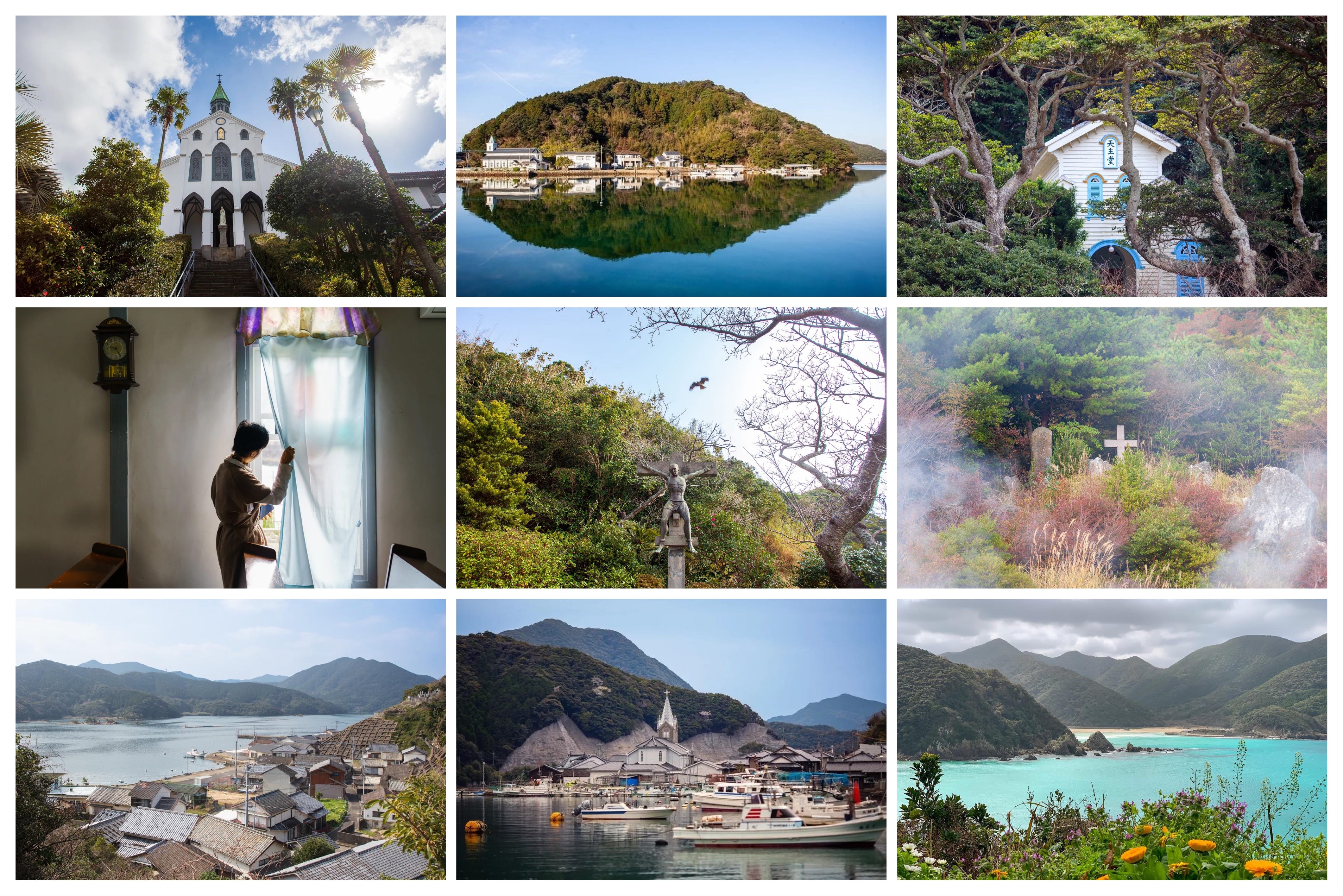
Beginning in the 16th century, the region stood at the forefront of Japan’s first encounters with Western culture. Nagasaki Port opened in 1571 and facilitated a few short decades of vibrant trade that brought not only foreign goods from the West but also the Jesuit Priests and Christianity.
The religion spread quickly throughout the region, with seminaries opening - one of the first believed to be in Arima on the Shimabara Peninsula - and many locals, including some daimyo, the feudal lords of the time, converting to Christianity, eventually earning Nagasaki the nickname “Little Rome.”
That openness and the widespread influence of religion, however, came to a halt in the late 16th century, when the ruling shogun began to grow wary of the increasing influence of Western culture and religion in the country, while also fearing colonialism.
First came the tragedy of the twenty-six Catholics captured in Kyoto and forced to walk to Nagasaki for crucifixion on Nishizaka Hill in 1597. The event marked one of the darkest moments in the centuries of persecution that would soon follow.

On the site of the crucifixion, there is now a well-curated museum, the entrance for which feels almost intentionally hidden among the labyrinth-like hills of the city, along with a monument built in honor of those crucified, remembered today as the Twenty-Six Martyrs of Japan.
The tragedy of the Twenty-Six Martyrs of Japan was soon followed by an official edict that banned Christianity across the country, and just two decades later, Japan shut itself off almost completely from the outside world, marking the beginning of the closed-country — sakoku — period that would last for more than two centuries.
During this period, the Goto and Amakusa Islands (the latter now connected to the mainland by a bridge, though at the time considered remote enough to be safe) became havens for Japanese Christians, who fled the mainland and formed isolated communities in order to practice their religion in secret, a group now known as the Hidden Christians - Kakure Kirishitan - of Japan.
But it was on the mainland, on the Shimabara Peninsula, that the oppressive policies of the period were resisted much more openly. Right before the sakoku period began, and in many ways helping accelerate it, increasingly impoverished locals, burdened by backbreaking taxation policies imposed by the shogunate, including many Christians, launched one of the largest civil uprisings in Japanese history: the Shimabara Rebellion (or the Amakusa-Shimabara Rebellion, if you ask in Amakusa).
The uprising was led by an unlikely hero, a sixteen-year-old Amakusa-born Amakusa Shiro, who, in a painting displayed in the Christian Museum in Amakusa, appears almost divine, or, if I may say so, an anime-like figure, fitting the many legends later built around him.
The revolt was, however, suppressed within four months by the shogunate with the help of the Dutch, who during this period became the only Western merchants permitted to continue trading with Japan, reportedly due to their perceived lack of interest in religious conversion. Their activities were, however, still heavily controlled, with their presence confined to the artificial island of Dejima just off the coast of Nagasaki.1
This period of isolation lasted more than two centuries, until 1854, when the sakoku period officially ended with a series of friendship treaties, the first being with the United States of America. The persecution of Christians formally came to an end a little later in 1873 with the lifting of the nationwide ban, though limited freedom of worship had gradually begun to reappear slightly earlier.
This limited sense of freedom might have led to an event now referred to as “Miracle of the Orient” - when a small group of Japanese villagers appeared on the steps of Oura Church in Nagasaki in 1865 and asked to see the statue of the Virgin Mary, leading to the discovery of a group who continued to practice Christianity in secret for more than two centuries: the Hidden Christians of Japan.
Maybe because of this layered and intertwined history, a trip to Nagasaki always feels a little more complete with another stop in the region, either right before or after a visit to the city.
On this recent early May trip, which inspired this month’s letter, I started in the Amakusa Islands, then took the ferry to the Shimabara Peninsula before finishing the trip with a three-day stay in Nagasaki.
On another occasion, I started in Nagasaki, then moved west toward the Goto Islands, and later north to Ojika and nearby Nozaki Island.
On a future trip, I hope to explore Hirado Island as well, which also played a crucial role in Japan’s early encounters with Western culture.
Among all these places, which, together with Hirado Island and Sotome, host sites registered as UNESCO World Heritage as the Hidden Christian Sites in the Nagasaki Region, the Goto Islands (a group of five islands) and the nearby Nozaki still carry the hints of the period of isolation and seclusion, which was also hauntingly depicted in Martin Scorcese`s movie Silence based on the novel of the same name by Shusaku Endo.
Even the churches on Goto, built after the lifting of the ban on Christianity, feel a little more modest, as if still trying to hide.
These are the islands I always find myself returning to, and often describe as my favorites in Japan, for their rare blend of traditional fishing-village life, Okinawa-like beaches, and remarkable historical sites.
Amakusa, a chain of 120 islands and now home to 70,000 residents, feels inevitably more developed and less secluded than Goto, but it is possibly the richest in sites associated with Japan's rebellions and hidden Christianity.
Sakitsu Village, the main draw of the islands for visitors, whose townscape is dominated by the Gothic-style Sakitsu Church, has more of a European lakeside-village feel than a sleepy Japanese fishing village.
The church, designed by Yosuke Tetsukawa, a Buddhist architect responsible for many church designs from that era (including Egami Church featured above), was built on the location where locals were once subjected to the fumi-e test by the authorities - a practice that the viewers of Silence will immediately recognize: stepping on the image of Jesus Christ or the Virgin Mary to prove they were not Christian or to renounce the religion.
The islands also host a number of museums, though the contents of which are not as rich as those on mainland Nagasaki, including the Amakusa Christian Museum, which also covers the Amakusa-Shimabara Rebellion, and the Amakusa Collegio related to the Catholic seminary established on the island when maintaining one on the mainland became too risky.
The Shimabara Peninsula, just thirty minutes away on a ferry, can at times feel significantly eerier, especially around Unzen Onsen, also known as Unzen Hell, which was featured in the opening scene of Silence,2 where the boiling waters of the hot springs were used as a torture method against local Christians, yet at other times so uneventful in the way only rural Japan can be.
One of those now uneventful-feeling towns is Shimabara, home to Shimabara Castle, which overlooks Ariake Bay and was a symbol of the ruling authority whose heavy taxation fueled the Shimabara Rebellion. The more historically significant and rebels-friendly site from that period, however, is Hara Castle Ruins in Southern Shimabara, just north of Amakusa, where the castle once stood and where the rebels ultimately took refuge during the final stage of the uprising.
All of these sites and many more related to the period of Hidden Christianity in Japan are covered in John Dougill’s easy-to-absorb travelogue In Search of Hidden Christians of Japan, a book I always pack on trips to the region as someone with only limited knowledge of the period, and one I would highly recommend to anyone looking for a not-overly-academic literary companion.
This brings us to the end of this month’s letter. As always, thank you for being here and for your interest and time.
I will be back soon, later this month, with another, more itinerary-focused post on Nagasaki as part of the Travel Diaries series for monthly and annual subscribers.
Until then, or until June, when the monthly letter may return home to Tokyo.
Best,
Burcu
P.S. Before I go, just one quick announcement. I recently changed the domain name of my website, which is separate from and much older than this newsletter, where you can find more blog-style posts about travels in Japan and other destinations, including logistics-related info and additional photography. The former name, Bizarre Journeys, which I came up with in the early blogging era, no longer seemed fitting for the kind of content I publish, and always sounded a little too goofy.
So the website is now hosted at Letters from Asia, while the monthly newsletter continues here on Substack under the domain Letters from Japan.
Chris Arnade, the writer of one of my favorite Substack newsletters, “Chris Arnade Walks the World,” has a section in his latest, “Library of Distractions,” covering three books from this period: Silence, Shogun, and The Thousand Autumns of Jacob de Zoet.
The movie was actually filmed in Taiwan, reportedly chosen for budgetary reasons and for its relatively unspoiled natural landscape, which made it easier to replicate the 17th Century than in Japan. Who could blame them, definitely not me.


Your writing makes me feel like I’m walking those steep hills of Nagasaki with you. The way you weave the heavy history with the vibrant, living city today is truly moving.
Very well written. I have been living in Tokyo for 11 years, and I have not visited Nagasaki yet. Looks like an amazing destination.