

Good morning,
It is a warm day in Tokyo. We are in that sweet spot when it already feels summery but without the humidity. It's the kind of weather that makes one want to take another stroll around the block before stepping into the office or returning home, extending the enjoyment.
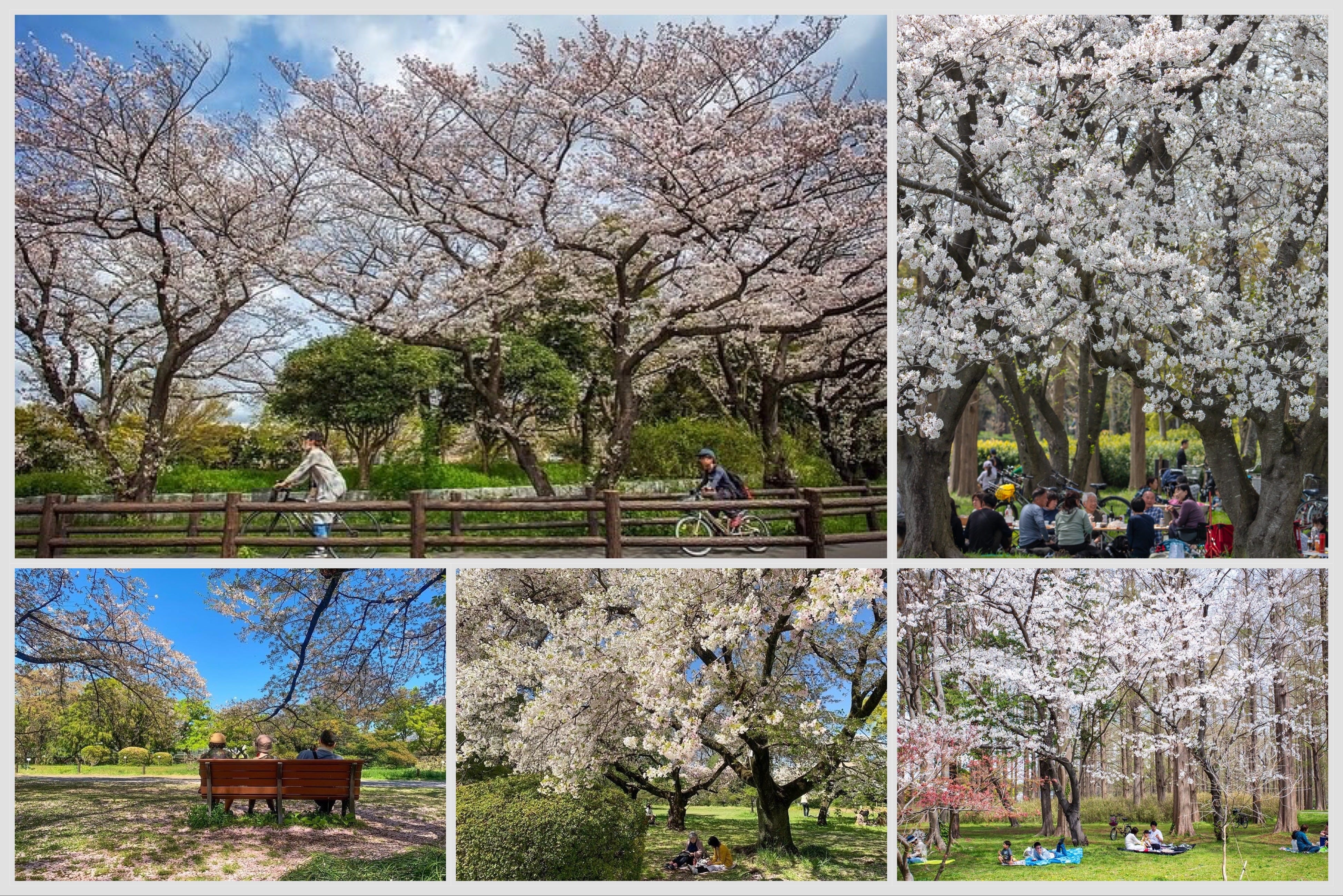
After toying with the hearts of all 120 million residents by deciding to show up unusually late and driving the Japan Meteorological Agency crazy (which had to update its Sakura forecast almost daily), the beloved Sakura is already gone. Fortunately, there are other reasons to feel joyful, such as the Golden Week—one of the country's most cherished holiday periods—where multiple national holidays are celebrated in the same week.
Despite the infamously rigid work culture, Japan has a surprisingly high number of national holidays—16 annually. Mountains, marine, sports, culture, constitution, elderly, environment, and children each get their own holiday and share it with the whole country (thank you).
So, thanks to the environment, constitution, children, and a former emperor, our office will be closed for ten days starting this evening. My bags are packed, and tickets have long been bought for a trip to Australia, where I will hike the Great Ocean Walk trail—the 110-km-long hiking route that, through the coast, follows the Great Ocean Road, one of the world’s most scenic driving routes with the ocean on one side and the lush forests on the other.1 Hopefully, the kangaroos and koalas will be my trail companions, while the snakes keep to themselves (fingers crossed).
I already visited the Great Ocean Road in 2017, but I did not have a chance to go hiking then. So, I am looking forward to this multi-day hike that will, for a change, take me through the coast instead of the mountains. The trail is officially divided into eight sections, each to be covered in a day (with plenty of rest time). But many people complete it in six to seven days. It is not a particularly difficult or technical trail, but a long one. I will try to tackle it in four to five days to spend some time in one of my favorite cities in the world, Sydney, before I fly back to Tokyo.
So, the May edition of Letters from Japan may be less about Japan and more about Australia and the Great Ocean Walk. But to honor the name of this newsletter and the underlying promise, I will use this April edition to introduce you to some of the multi-day hiking trails in Japan. Then, I will kindly seek your permission to make an exception and write about Australia in the next one.
Mountains and multi-day trails of Japan
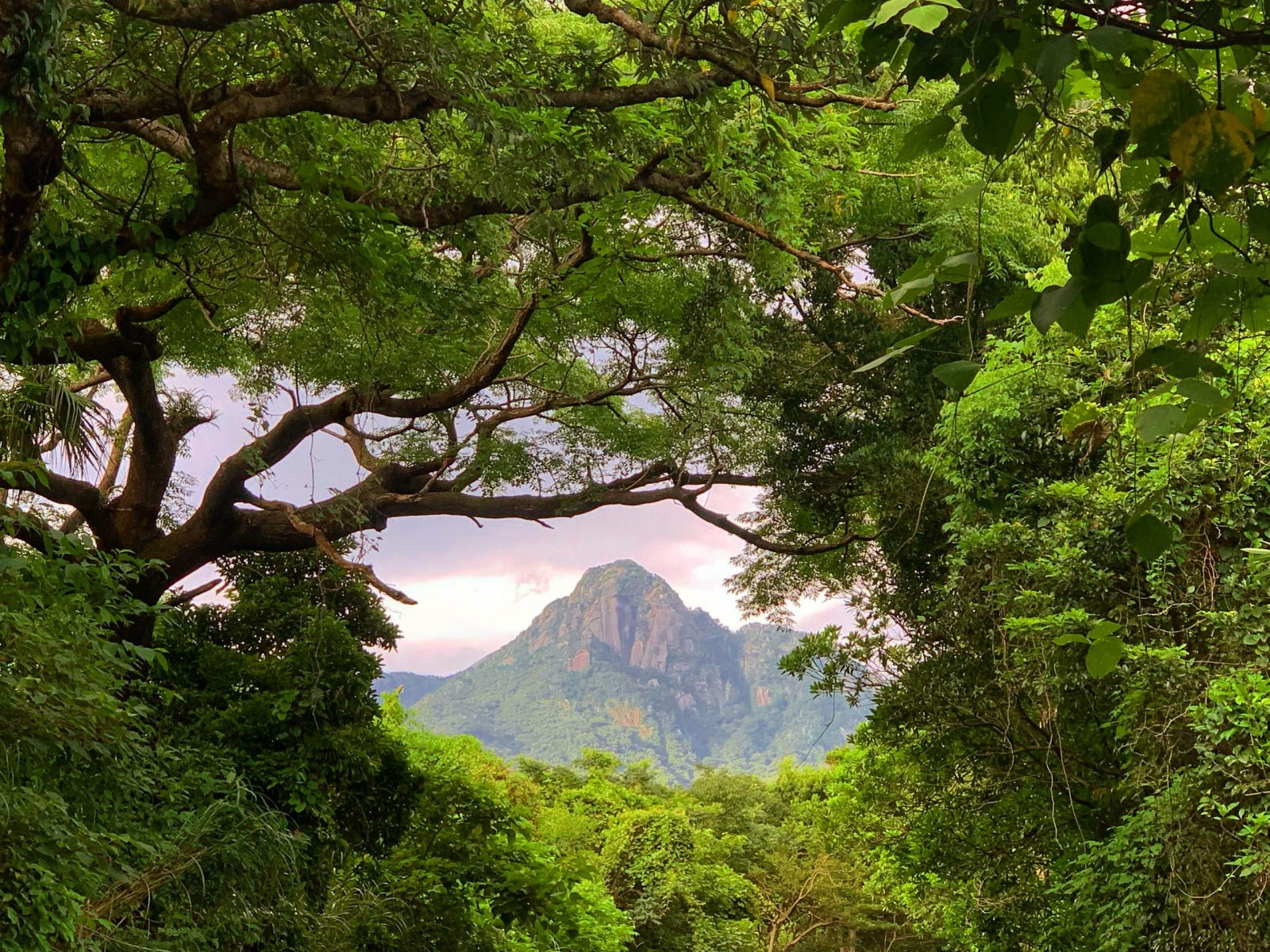
Mountains cover 70% of Japan’s land. As a result, the country is home to thousands of hiking trails, including many multi-day ones. Japan's mountains not only bring happiness to many hikers and skiers but also play a central role in numerous religious, social, and cultural rituals dating back thousands of years. These rituals establish strong connections between certain segments of society and the mountains—connections so strong that they sometimes lead to courtroom drama.
Who owns Mount Fuji? Ask the court.
When I first heard that the iconic Mount Fuji, Japan’s tallest mountain, is privately owned, I was as shocked as any person hailing from a country where nature assets automatically qualify as public assets and, thus, can only be owned and controlled by the government, would be.2

Sengen Grand Shrine, located in Shizuoka Prefecture, owns the upper section of Mount Fuji, covering the area from 3,250 meters up to its peak at 3,776 meters. What is even more surprising is that, in a country where litigation is considered the ultimate last resort (unlike my country, where everyone sues each other), the shrine went as far as suing the government to reclaim its ownership of the land and obtained a court decision declaring its ownership of the top section of Mount Fuji in 1974. While the shrine's ownership rights are legally based on the Constitution of 1949 and the new regime it implemented, Sengen Grand Shrine’s claim to the ownership of Japan's most beloved mountain mainly derives from the spiritual importance of the mountain to the shrine.
What the mountains of Japan have to offer
While all the background drama, litigation, and spiritual importance add to the allure of Japanese mountains, one could also certainly argue that the landscape beauty offered by Japanese mountains cannot compete with what countries like New Zealand, Norway, or Switzerland have to offer—otherworldly scenery powerful enough to inspire one to be a more decent human being. However, what Japan lacks in terms of awe-inspiring and life-altering scenery (so sorry, but forget about climbing Mount Fuji and walking down as a more decent human being), it makes up for in not only exciting drama but also in a unique hiking experience that showcases a perfect harmony between people, nature, and, in some cases, religions. Most of the country's multi-day trails will fulfill one's desire for cultural interaction and outdoor adventure equally.
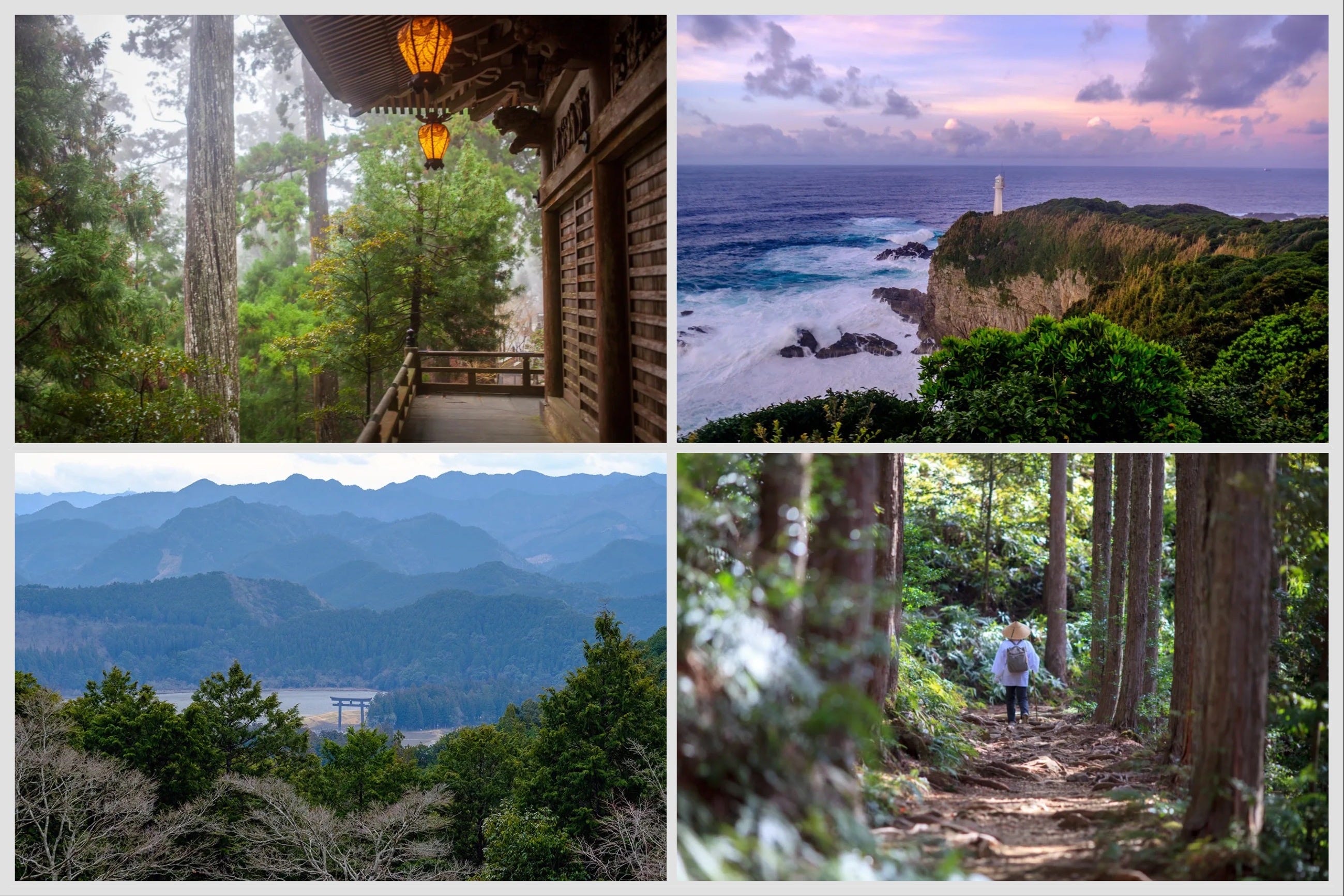
Some of these trails are more than a thousand years old, and hikers follow in the footsteps of religious pilgrims who once risked their lives to visit sacred sites. There are also some recently developed trails, such as the 1000-km-long Michinoku Coastal Trail in Tohoku, which was built to celebrate the revival of a region that has been hit by one of the deadliest natural disasters of the century.
While I visited some sights along the Michinoku Trail in 2022 during a trip planned by the Japan Reconstruction Agency, I have yet to hike any of its sections. So, I will focus on the three trails that I have personally experienced.
Kumano Kodo: ancient pilgrimage routes
Kumano Kodo is one of the best-known multi-day pilgrimage destinations in Japan, owing part of its fame to its inscription as a UNESCO World Heritage in 2004 and becoming, along with Camino de Santiago, one of the only two pilgrimage routes in the world having such recognition.
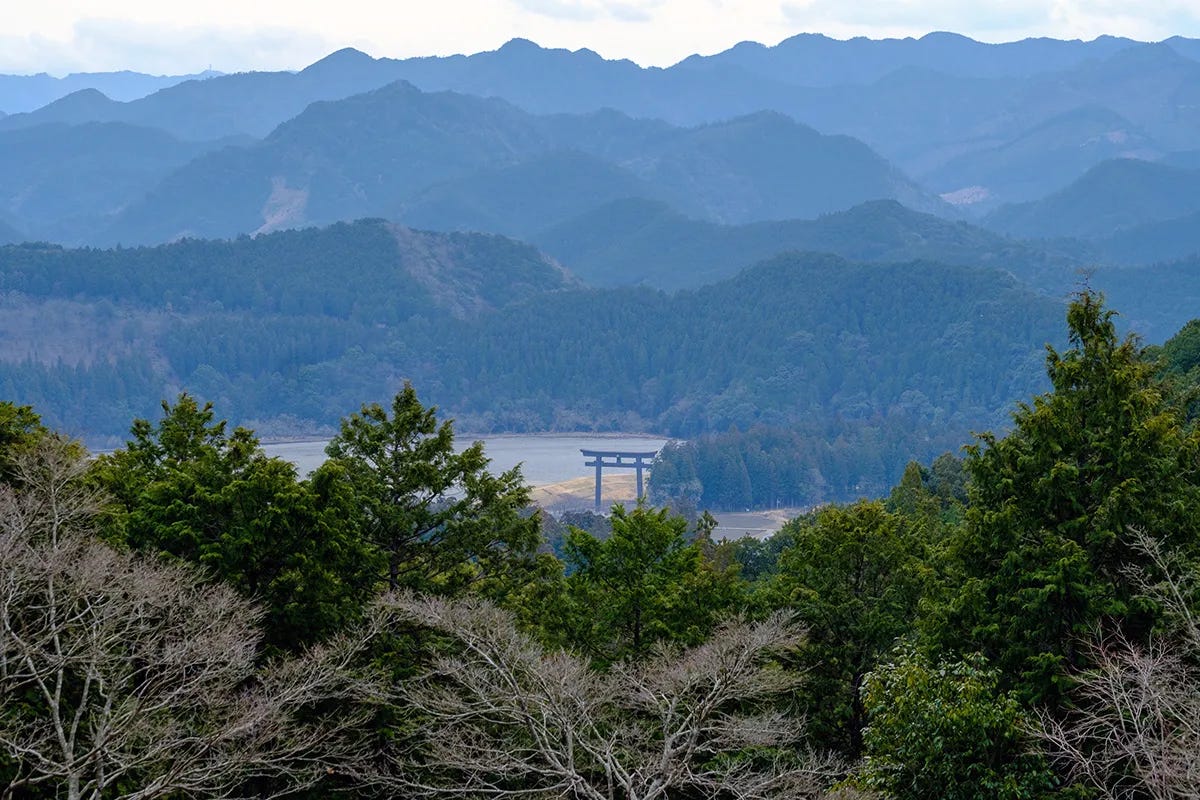
Kumano Kodo is the name given to a network of five pilgrimage trails—Nakahechi, Kohechi, Iseji, Oheji, and Omine Okugake—that have been used for over a thousand years, connecting sacred sites in the Kii Peninsula.
These ancient trails connect the three sacred sites: Hongu Taisha, Nachi Taisha, and Hayatama Taisha. Collectively known as “Kumano Sanzan,” these are the ancient Kumano religion's three grand shrines and holiest sites. The trails of Kumano Kodo also extend to Koyasan, the capital of Shingon Buddhism in Japan; Ise-ji Shrine, the most important Shinto shrine in Japan; and Yoshino and Omine, the centers of mountain worship - Shugendo.
With all this historical, cultural, and religious background, UNESCO refers to the Kumano region as a cultural landscape, a concept defined as "[places] where human interaction with natural systems has, over a long period, formed a distinctive landscape."
Nakahechi Route
Once reserved for the emperors and nobles and therefore also known as the Imperial Route, the most popular Kumano Kodo trail is the Nakahechi Route. The trail starts in Tanabe and traverses the Kii Peninsula towards the three sacred sites of Kumano Sanzan.
While the official trail begins at Tanabe, most people, including myself, start their hike at Takijiri Oji— an infamous section that first punishes you with a grueling two to three hours climb and then rewards you with a stay at one of the finest accommodations along the entire Kumano Kodo route - Kiri no Sato Takahara, where each room comes with uninterrupted views of the surrounding mountain range, which looks exceptionally mystical in the morning.
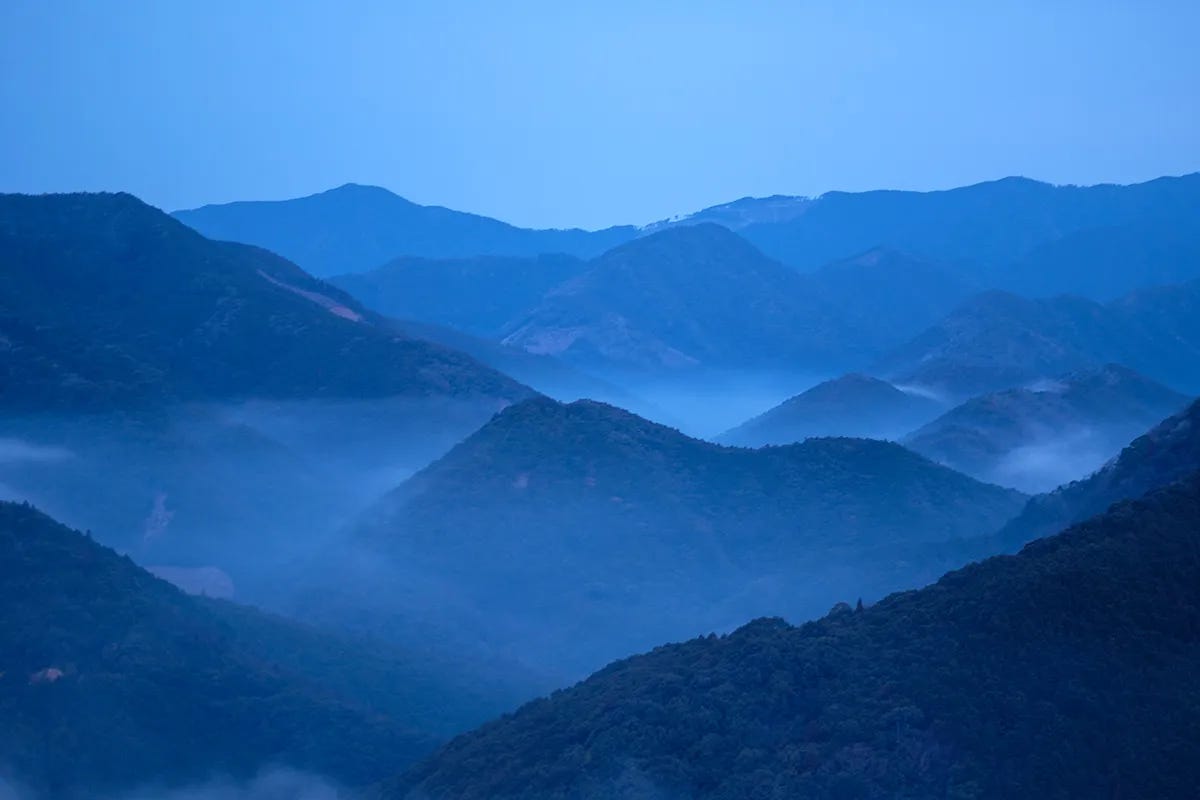
The Nakahechi, which ends at Nachi Falls, Japan’s tallest waterfall, is completed in five days. The trail has many diverse highlights that keep the walk interesting every single day. One popular stop is the Yunomine Onsen town, known to be Japan’s oldest hot spring town and home to the UNESCO Heritage Tsuboyu.
The rest of this post is available to paid Letters from Japan subscribers. Each monthly letter is free to read when published and becomes part of the paid archive after a new monthly letter is published. Paid subscribers receive continuing access to the complete archive of more than 70 posts, including all past monthly letters, additional travel diaries, walking itineraries and other Japan travel resources. You can use the subscription box below to upgrade and continue reading.