Good afternoon,
We are on the last day of yet another national holiday in Japan: the beloved Golden Week, which owes its celebratory name to the four public holidays that fall within a single week, resulting in a roughly ten-day office closure for some workplaces like mine. It’s also the time when 23 million people are expected to be traveling within and outside of Japan. As a result, Japan Railways requires seat reservations for most Shinkansen lines (even those departing every six minutes) as trains are typically sold out at the beginning and end of the week. It’s possibly the biggest travel week in the country.
And this year, I joined the many millions of domestic travelers filling the airplane and Shinkansen seats. While today is rainy across the entire country, including Tokyo, we were blessed with sunny skies and mild temperatures for most of Golden Week, marking one last opportunity for long walks before the rainy season, and then the season from hell (summer, aka the time when, even if the humidity doesn’t kill you, it certainly doesn’t make you stronger) descends upon us, forcing as much indoor time as possible just for the sake of staying alive.
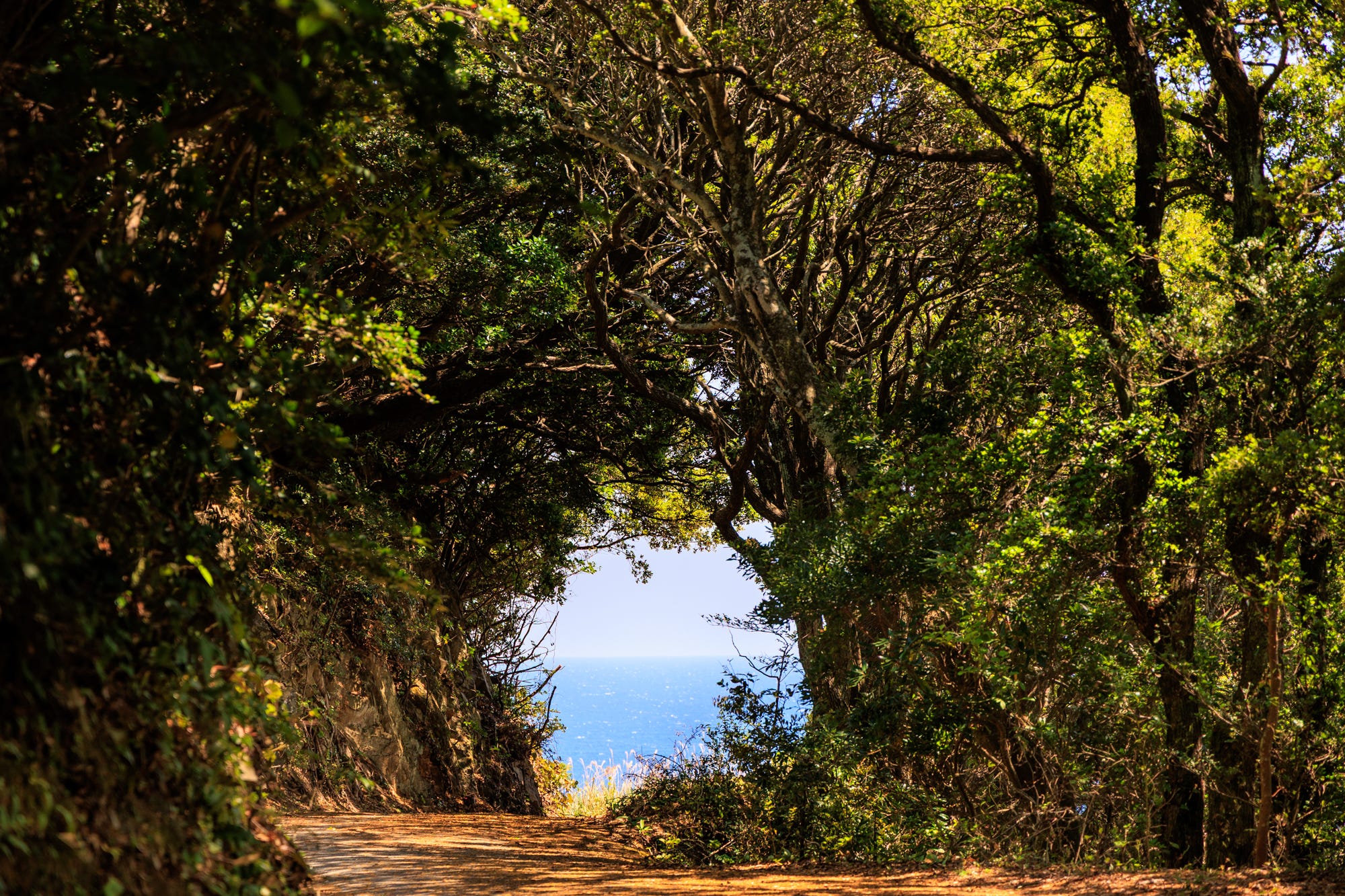
To make the most of this brief window of too-good-to-be-true weather,1 I spent the first eight days of the break walking the southern coast of Shikoku, followed by a very short but memorable stay in Matsuyama City and returning to the “main island” with a two-day bike trip along the Shimanami Kaido (the 70-kilometer-long cycling route that crosses six islands and seven bridges along the Seto Inland Sea, connecting Shikoku to Honshu) giving me a chance to finally write about a region of Japan I deeply adore but have somehow mentioned very little in this newsletter.
So, this month’s letter is an overview of the Golden Week trip. Since a diary-style post, like the previous Kyoto sakura trip diary, covering all the stops would make this letter excruciatingly long, I’ll be sharing separate posts including a more detailed itinerary and logistical detail: first about the Shimanami Kaido in May, followed by the Shikoku walk in June, under the travel diaries section available to monthly and annual subscribers.
A walk along the southern coast of Shikoku
Shikoku, the smallest of Japan’s four main islands and made up of four prefectures, namely Tokushima, Kochi, Ehime, and Kagawa, is best known for the 88-Temple Pilgrimage Route, which takes about six weeks to complete on average. A close study of the route often leads to a brief phase of disappointment for walkers, since roughly 80% of the 1,200-kilometer journey involves roadside walking (a common reality for most long-distance trails in Japan), with only limited sections through mountain passes, forests, and beaches. Still, many people describe the experience, which involves visiting each of the 88 temples associated with Kobo Daishi (founder of the Shingon sect of Buddhism in Japan) with opportunities to stay overnight at some of the temples, as transformative. I’ve previously walked parts of the route, focusing on the more picturesque mountaintop temples, and I’d love to complete the full walk one day.
However, this recent trip to Shikoku had little to do with the Pilgrimage Route. My focus was the coast of Kochi Prefecture, which is home to fewer of the official pilgrimage temples, but offers an array of other human-made and natural sites with the promise to enrich any walking trip.
In addition to the side visit opportunities, there were a few other reasons why I chose the southern coast of Shikoku for this walking trip. First, after the Great Ocean Walk experience in Australia during last year’s May break, my first ocean-side long hike, which made me both explosively but at the same time calmingly happy, leading me to describe it as the hike of my life, I was looking for similar coastal walks.
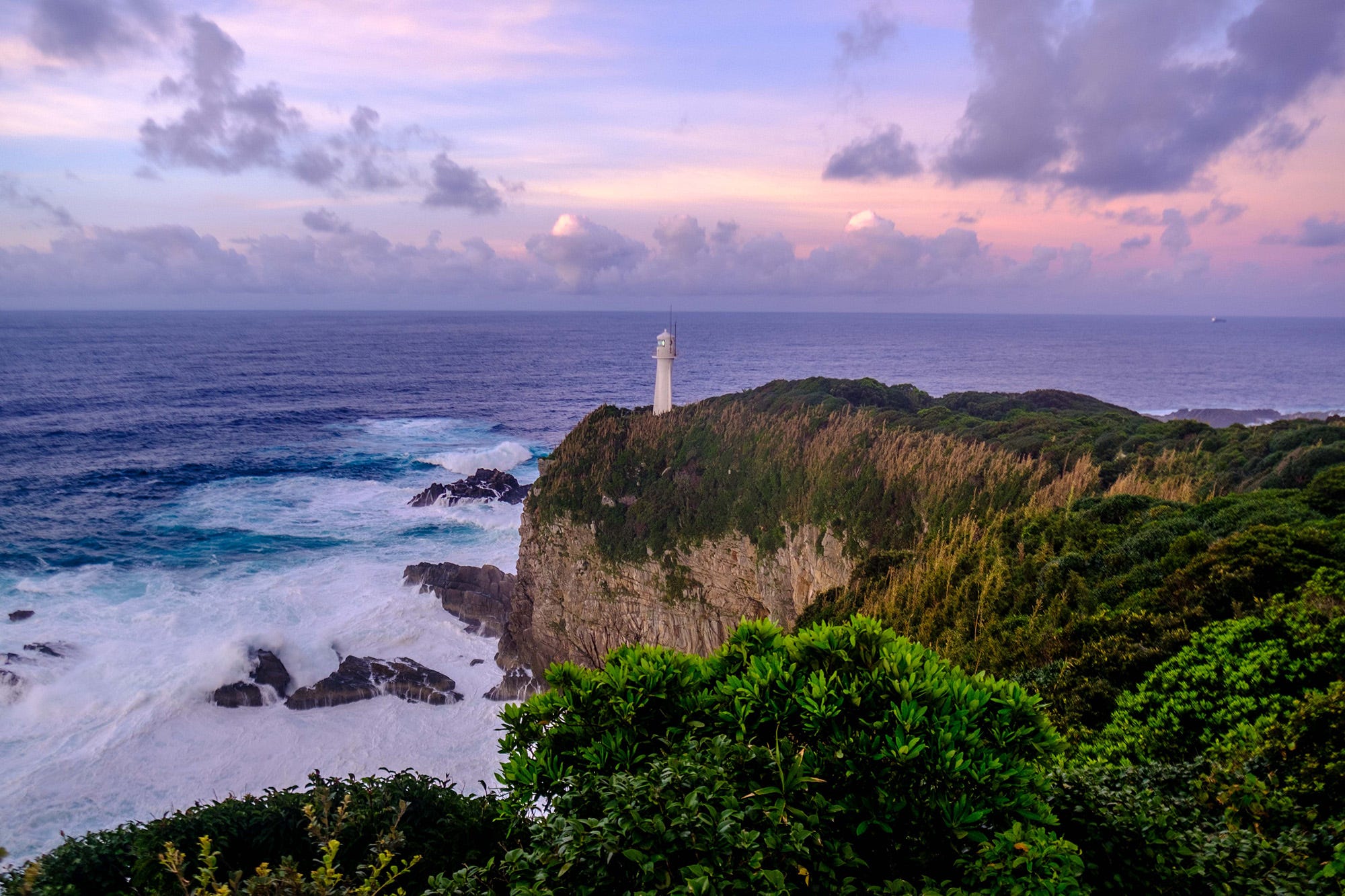
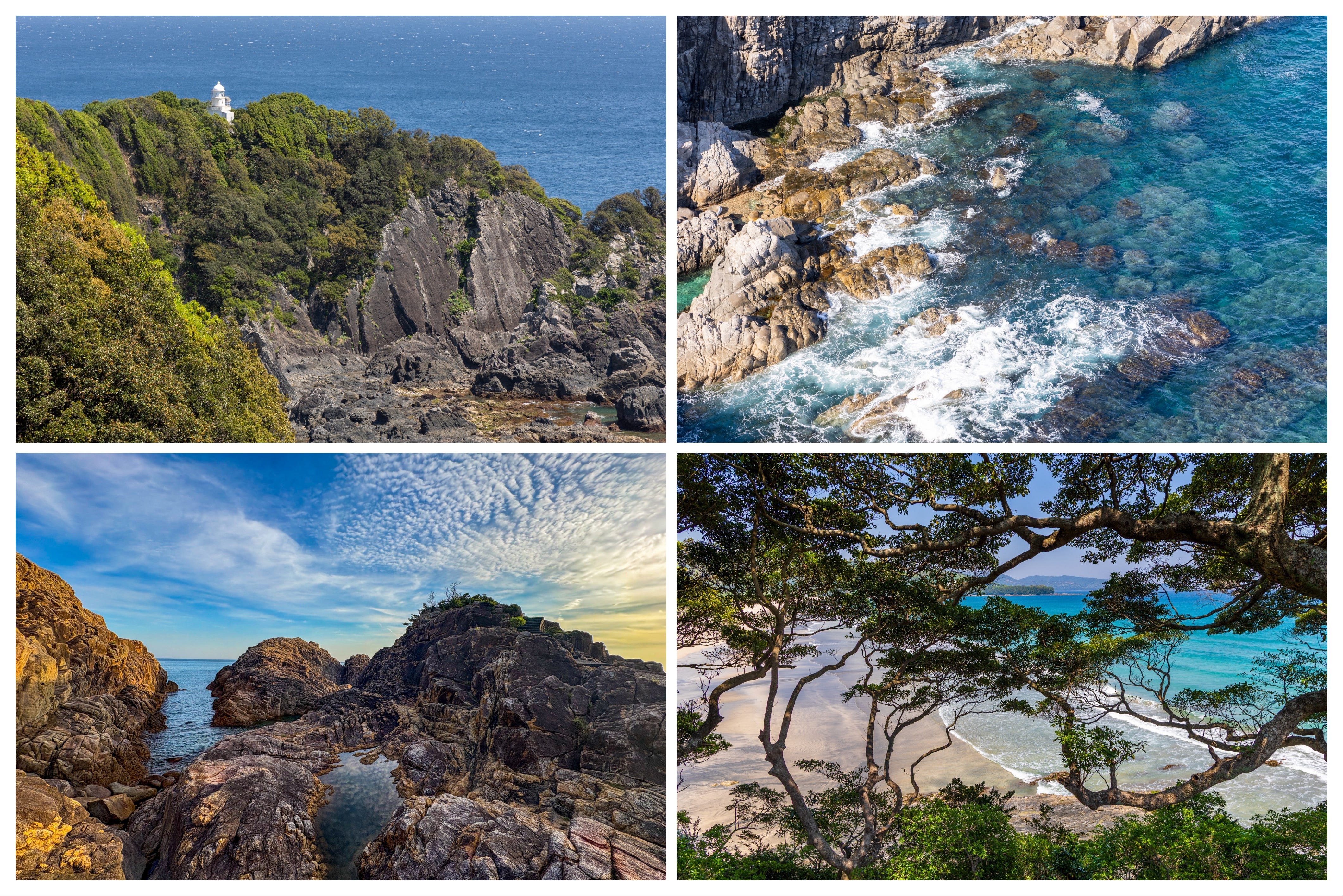
Second, I was already familiar with the southern coast of Shikoku Prefecture, having once stayed at Kongofukuji Temple, iconically positioned on Cape Ashizuri right behind a lighthouse perched above a cliff beaten by violent waves (a perfect setting for a suspense movie with a religious theme, a little à la The Name of the Rose). This was very shortly after I moved to Japan, at the generous invitation of a friend from Tokyo whose father is the head priest of the temple and whose family lives on the premises. Thanks to that first trip, which happened to take place during peak August humidity and therefore involved sightseeing by car rather than walking, I already knew how beautiful the region was—but more importantly, how walkable it was (under less humid weather conditions).
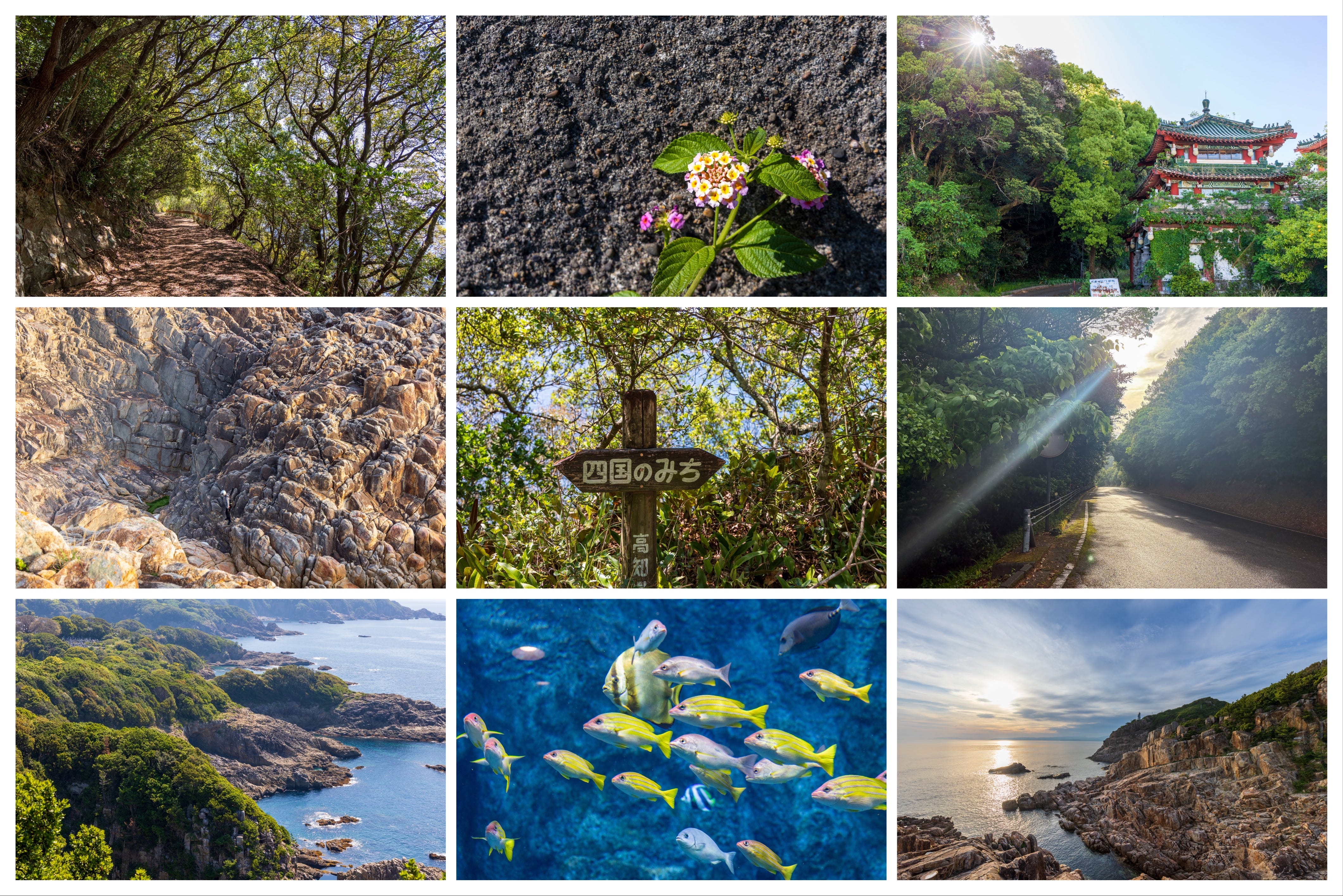
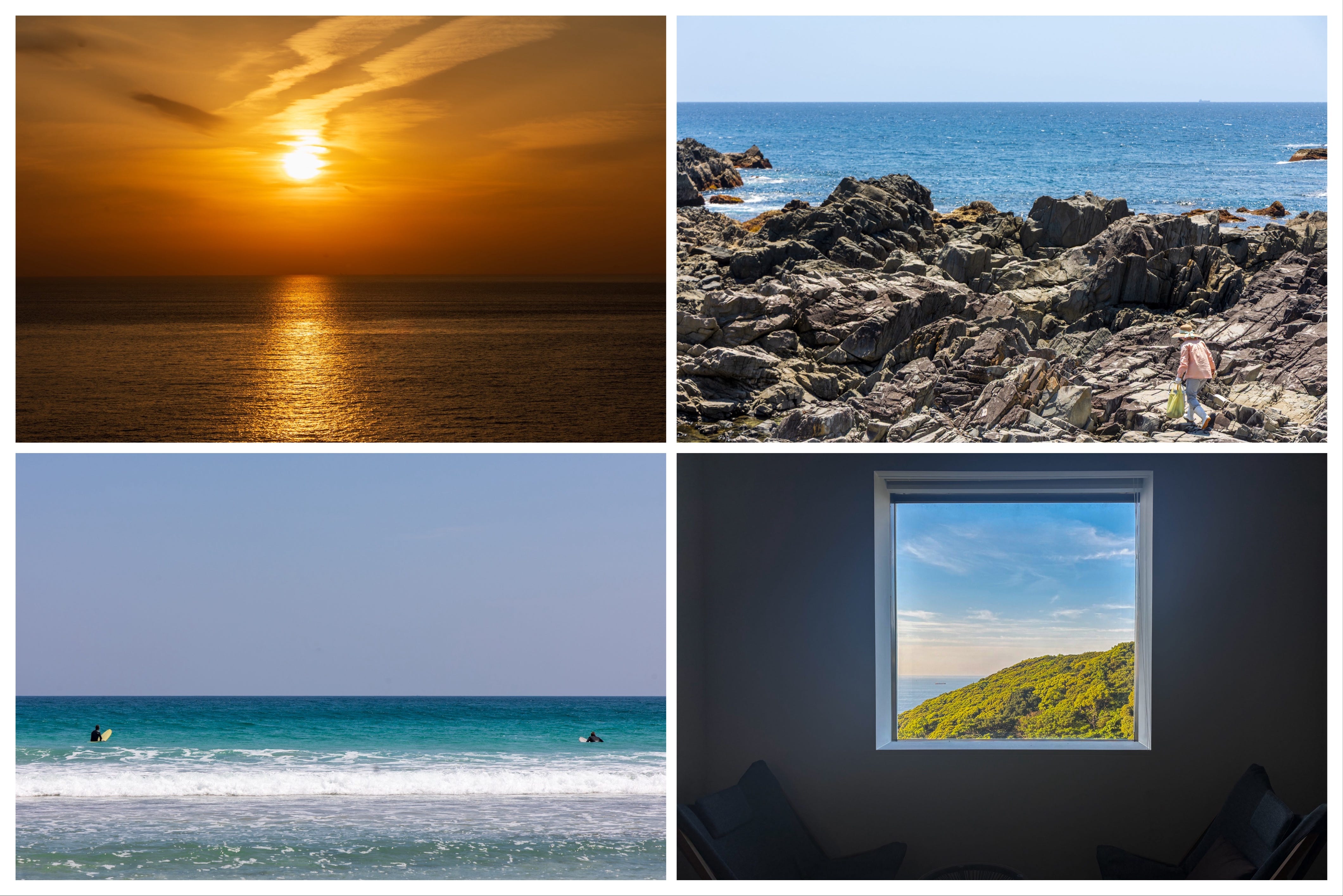
Planning the route was also a fairly straightforward process, as I stayed in the same area—Cape Ashizuri—for all six days2 and took the bus to the starting point of the walk each day, sticking to the coastal section throughout. Some parts of the route were also part of the Shikoku Nature Trail, a patchwork of hiking trails across the island, with narrow forest sections running right next to the ocean and helpful signage along the way, which made things easier.
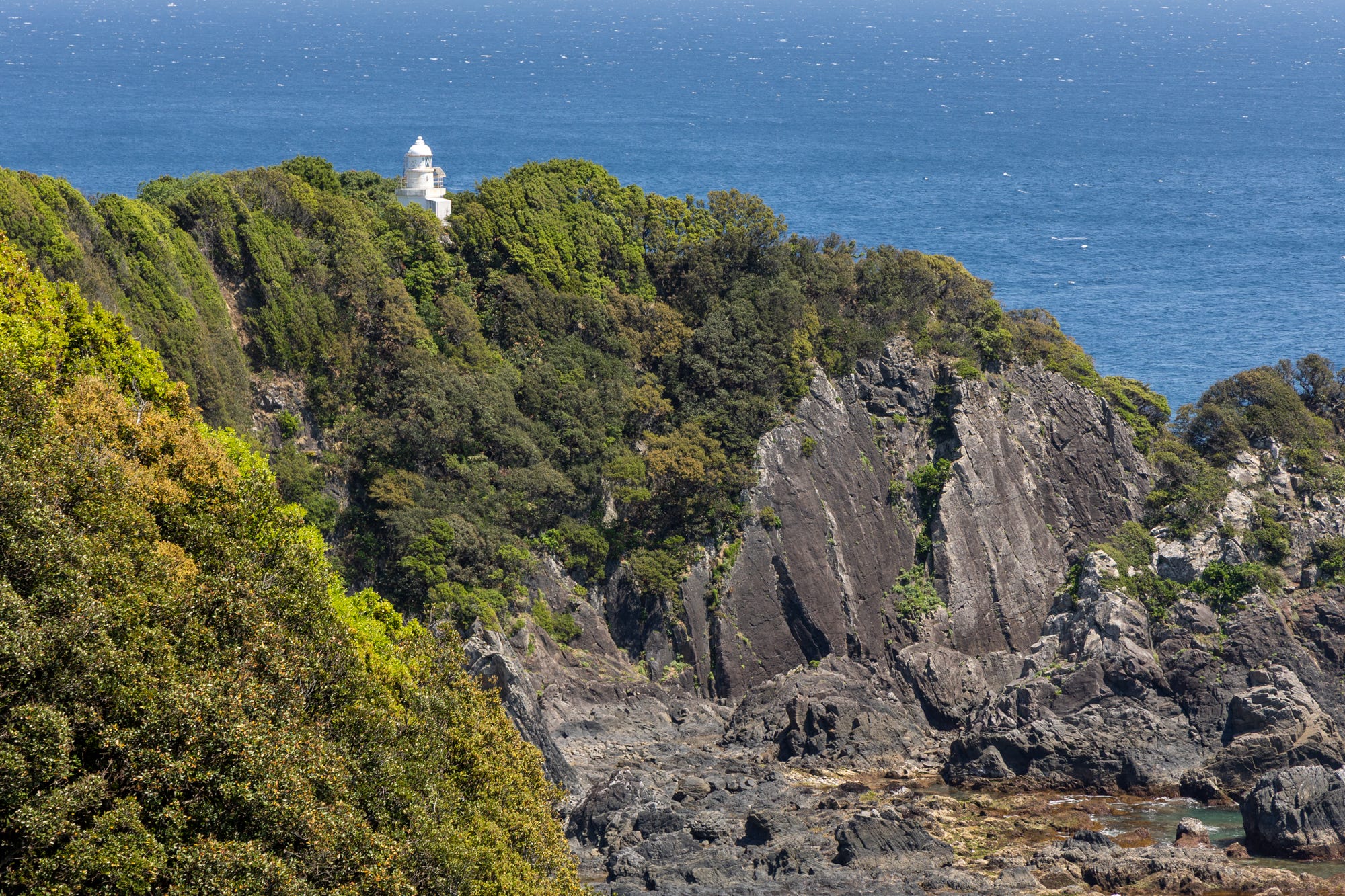
Each day involved an average of five hours of walking, usually preceded by a one-hour round-trip walk to the Ashizuri Lighthouse for sunrise. While I had initially contemplated walking seven to eight hours a day, five turned out to be just right, as the asphalt roads left my feet more sore and my body more tired than much longer and steeper mountain hikes on softer terrain.