

No one has ever asked me, but if they did, I would pick Oku-Nikko as the one place to go if I were allowed only one autumn foliage outing in Japan. And I sure have gone - a little obsessively, autumn after autumn. Six, to be more precise.
The region, broadly stretching from Lake Chuzenji to the south to Lake Yunoko to the north, has an intense concentration of distinct landscapes. There are multiple tick-the-box, picture-perfect foliage scenes, earning high rankings in this country fond of grading its beauties.
But much wilder, not-fit-for-postcards landscapes sit right next to that predictable beauty, ensuring that even if the visual experience can feel cliché at times, the emotional side never does.
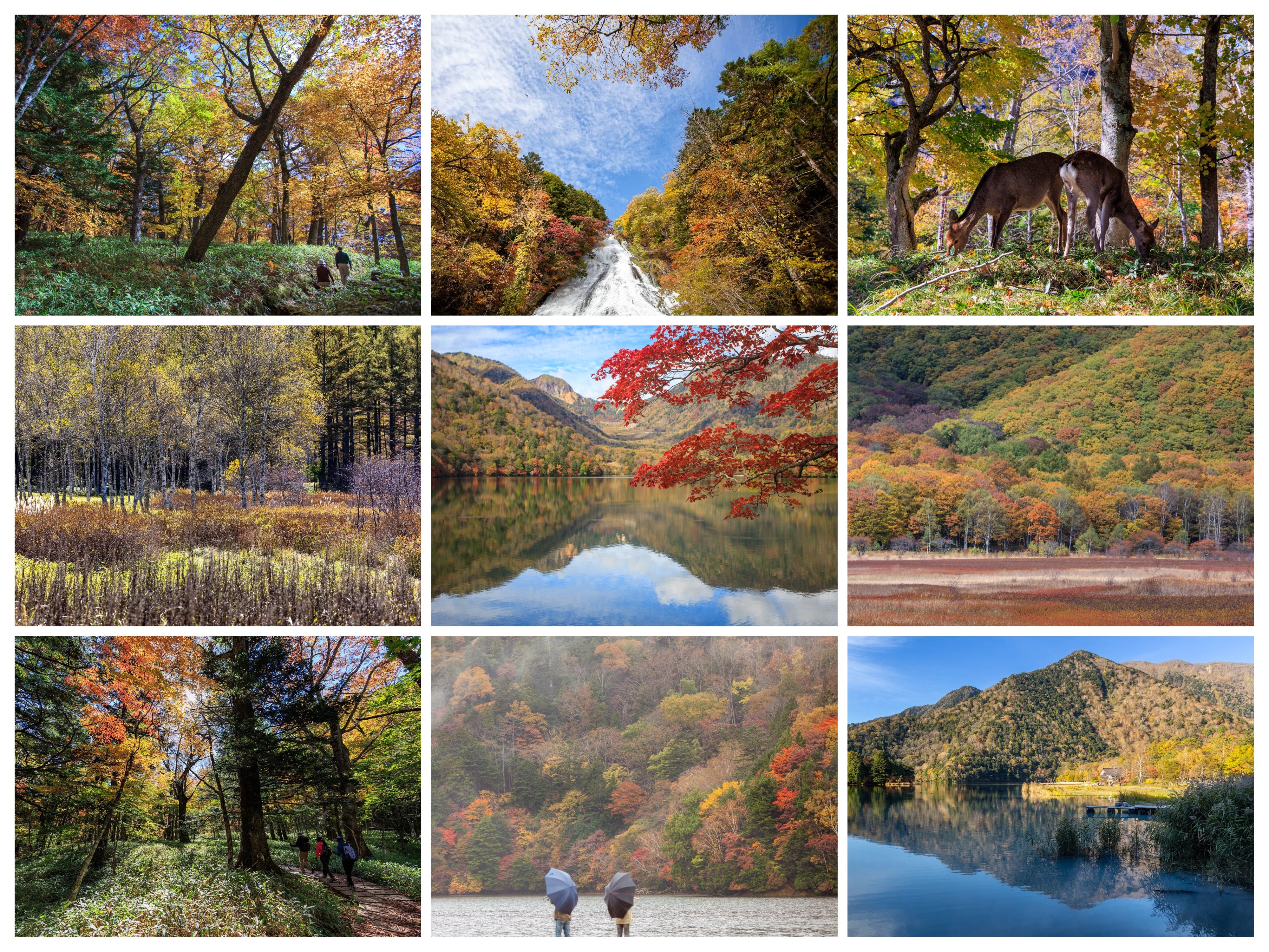
There are several waterfalls, including one of Japan’s three most beautiful; two marshlands, one smaller, more intimate, the other four times bigger; two lakes, again, one smaller, more approachable, and the other spreading widely between the surrounding mountains; and narrow forest trails connect it all with ponds scattered in between.
Every year, right around mid-October, I visit the area for a one-night, one-day stay.
Some years, the weekend, peak colors, and sunny skies come together; other years, a misty mood defines the experience, with all-night, all-day rain. The least exciting years are when there is neither, and the best are when I get a little bit of everything.
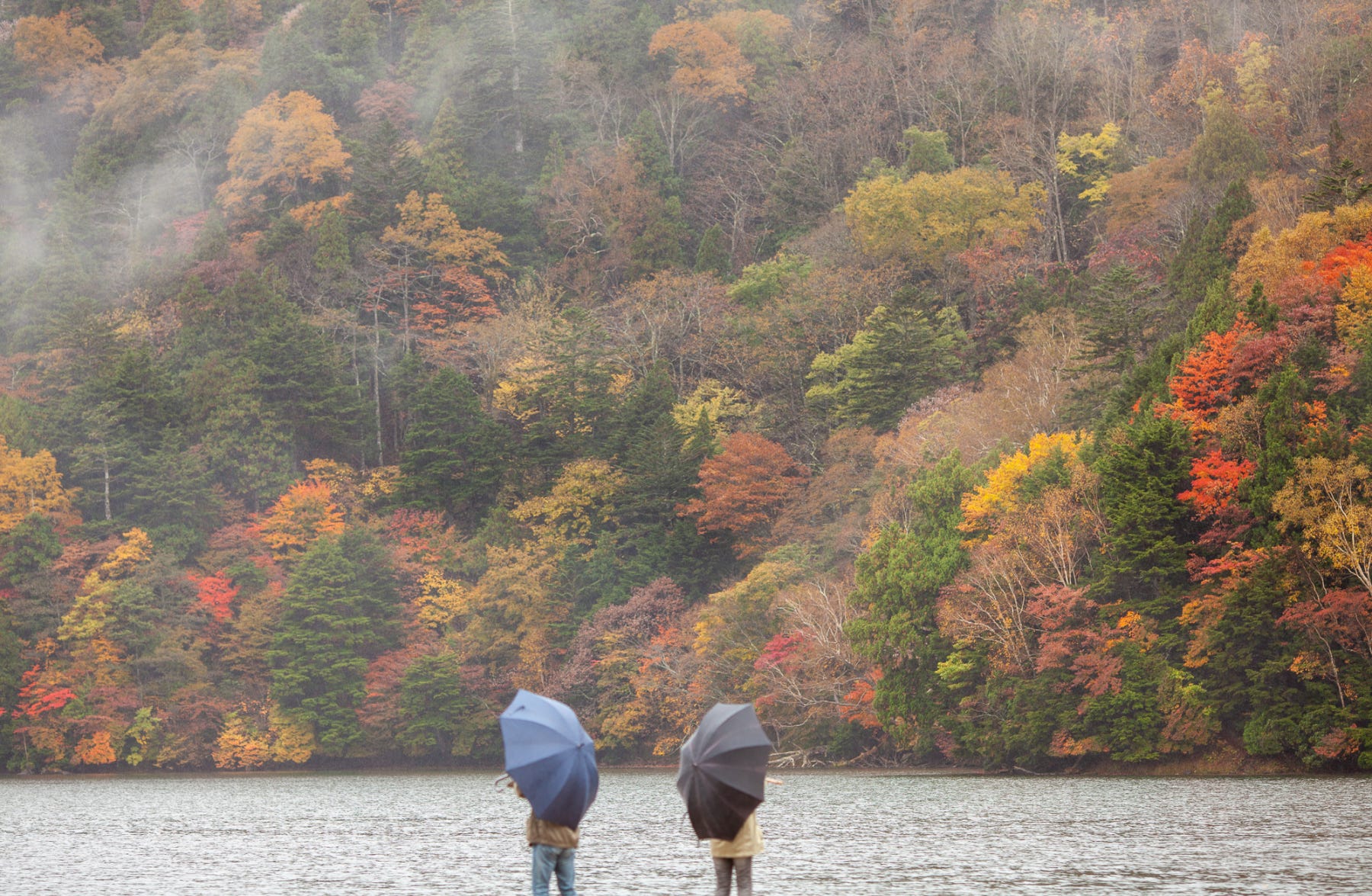
In service of my habit-obsessed soul, I stay at the same little inn overlooking Lake Chuzenji, have coffee at the same cafe, and eat dinner at the same French bistro. So, not much novelty there.
By October, evenings and mornings already feel chilly up at this altitude, reminding you that autumn is definitely here, if not a very early winter in some years.
The day starts early, with the first bus out to Lake Yunoko, where I start the walk, which takes me back to Chuzenji sometimes in half a day, sometimes much longer.
Early mornings are usually calmer, with less wind, increasing the chance of witnessing the mirror scene Lake Yunoko is famous for (like any other mountain-surrounded lake).
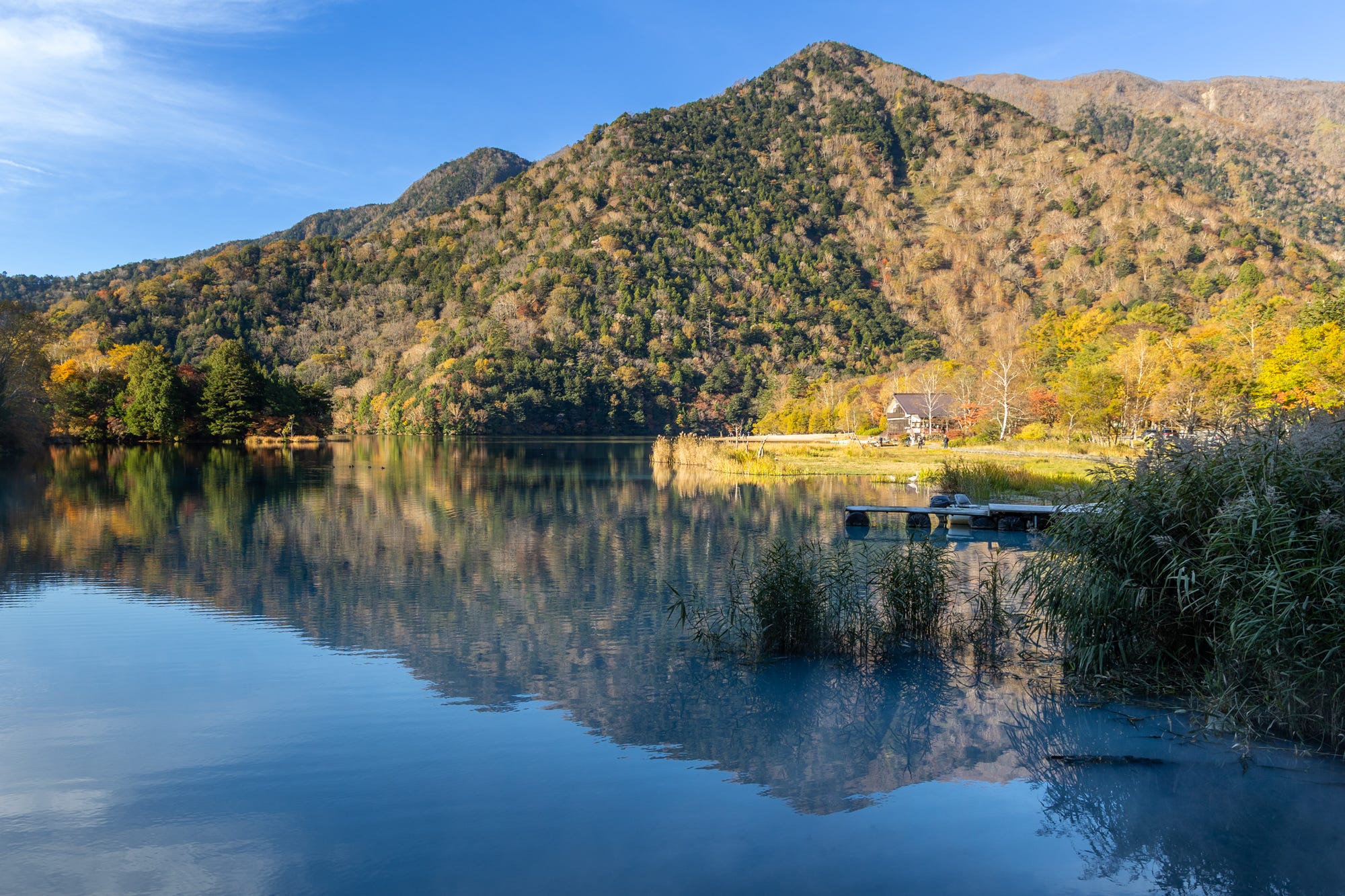
If conditions align, the semi-turquoise waters of Lake Yunoko reflect the surrounding mountains, sparsely dotted with autumn colors, with a boathouse strategically sitting right in the middle, as if to improve the postcard-worthiness of the scenery.
Despite underplaying the beauty of this area to save my enthusiasm for what lies ahead, I of course still spend at least an hour by the lake, take hundreds of photos, and happily join the chorus of other morning visitors loudly admiring the scenery.
The morning starts with a rather iconic scene, but it is far from the visual crescendo of the hike for me. The many layers of Oku-Nikko start to unfold after this point, with something new almost at every turn all the way until Chuzenji.
Two narrow trails circle the lake on both sides, leading to a small lakeside beach on the far side. I usually take the left route as it is a little more open, with less obstructed views of the lake.
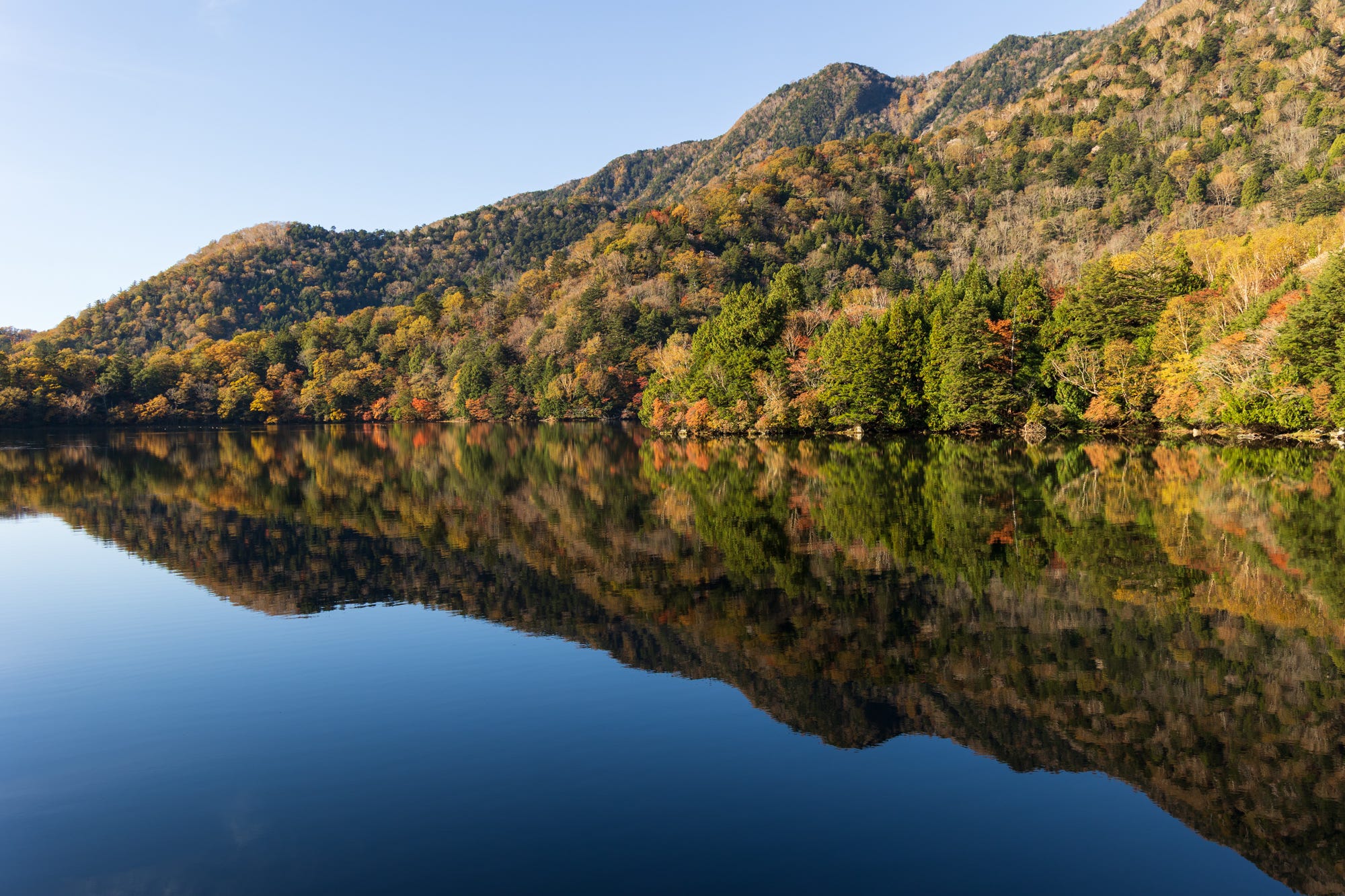
There is a maple tree along the way - the perfect marker to tell whether the region is at peak foliage or past it. If it is at its peak, with its branches spread over the lake, showing off its perfectly red leaves, it is impossible not to notice.
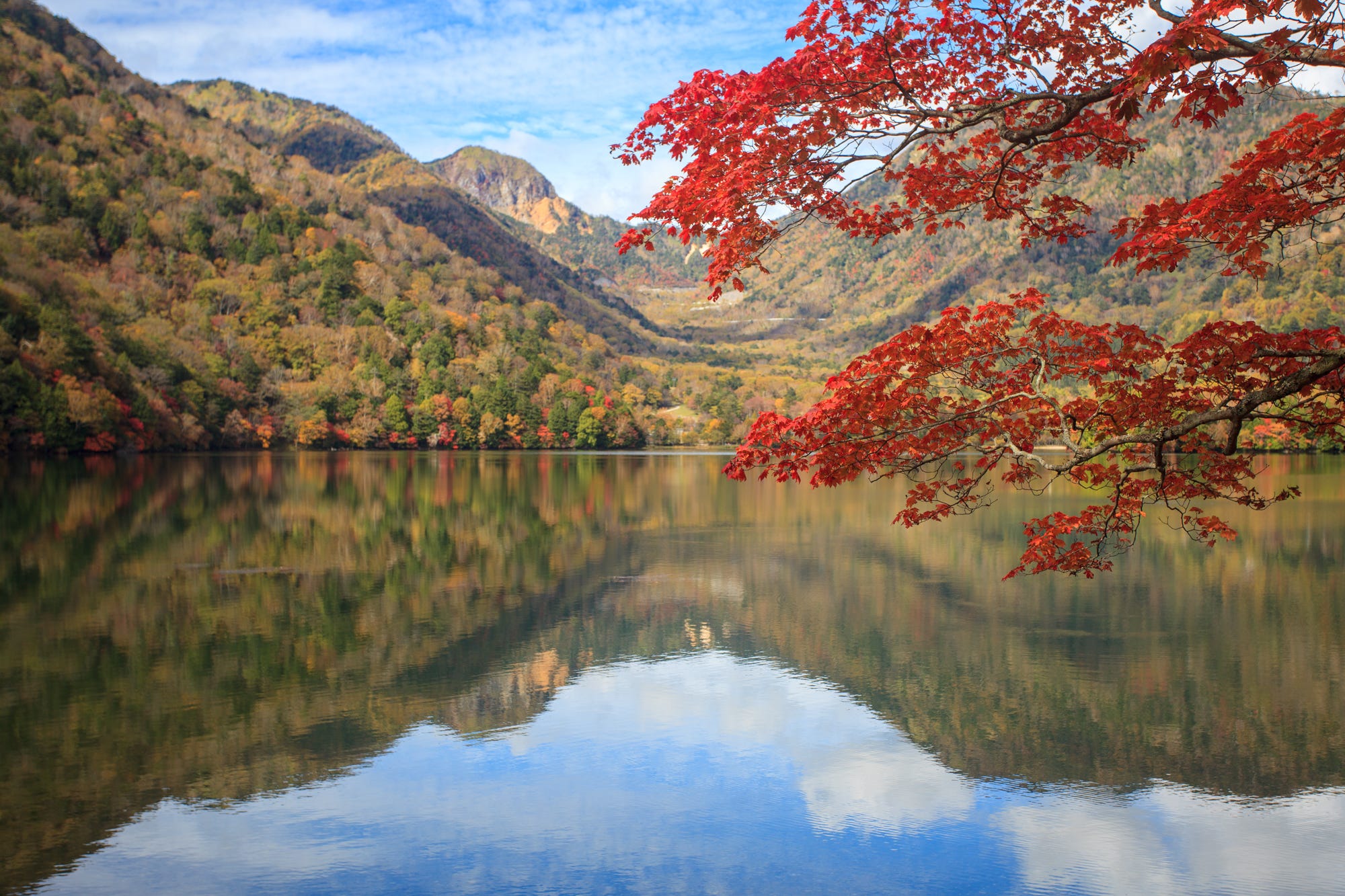
But if it is a little late in the season, it will likely not make a mark, and if it does, it will only be to remind you of that miserable, colorless unnamed season that falls right between peak autumn and snowy winter.
Once in the “beach” area, with two wooden benches facing the lake, I always wish I hadn’t been too lazy to bring hot water and coffee.
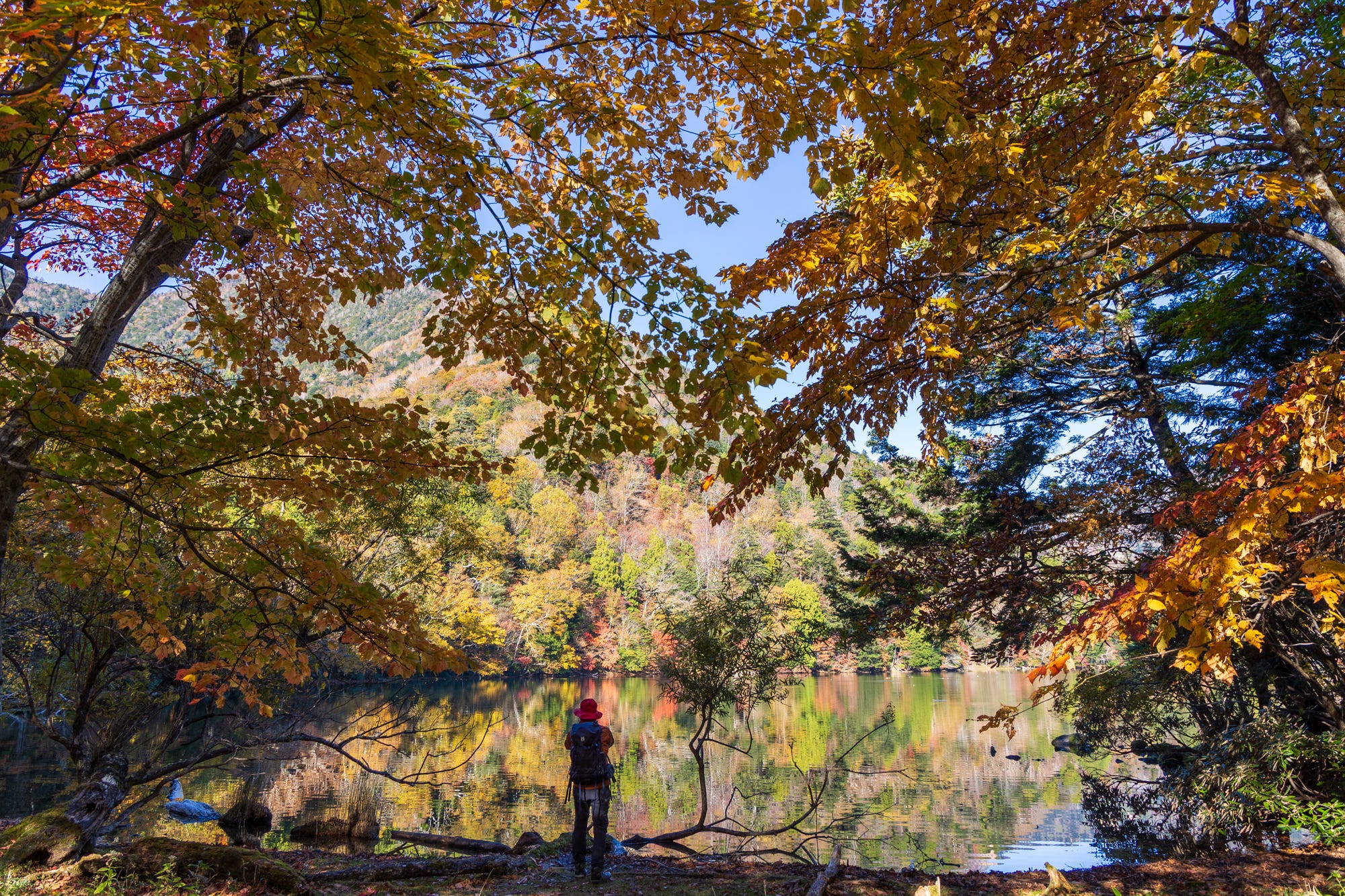
Despite my curiosity about the color situation deeper in the forest, I usually spend quite a bit of time here, as this is where they seem to keep the good light in, at all hours of the day, possibly in all seasons.
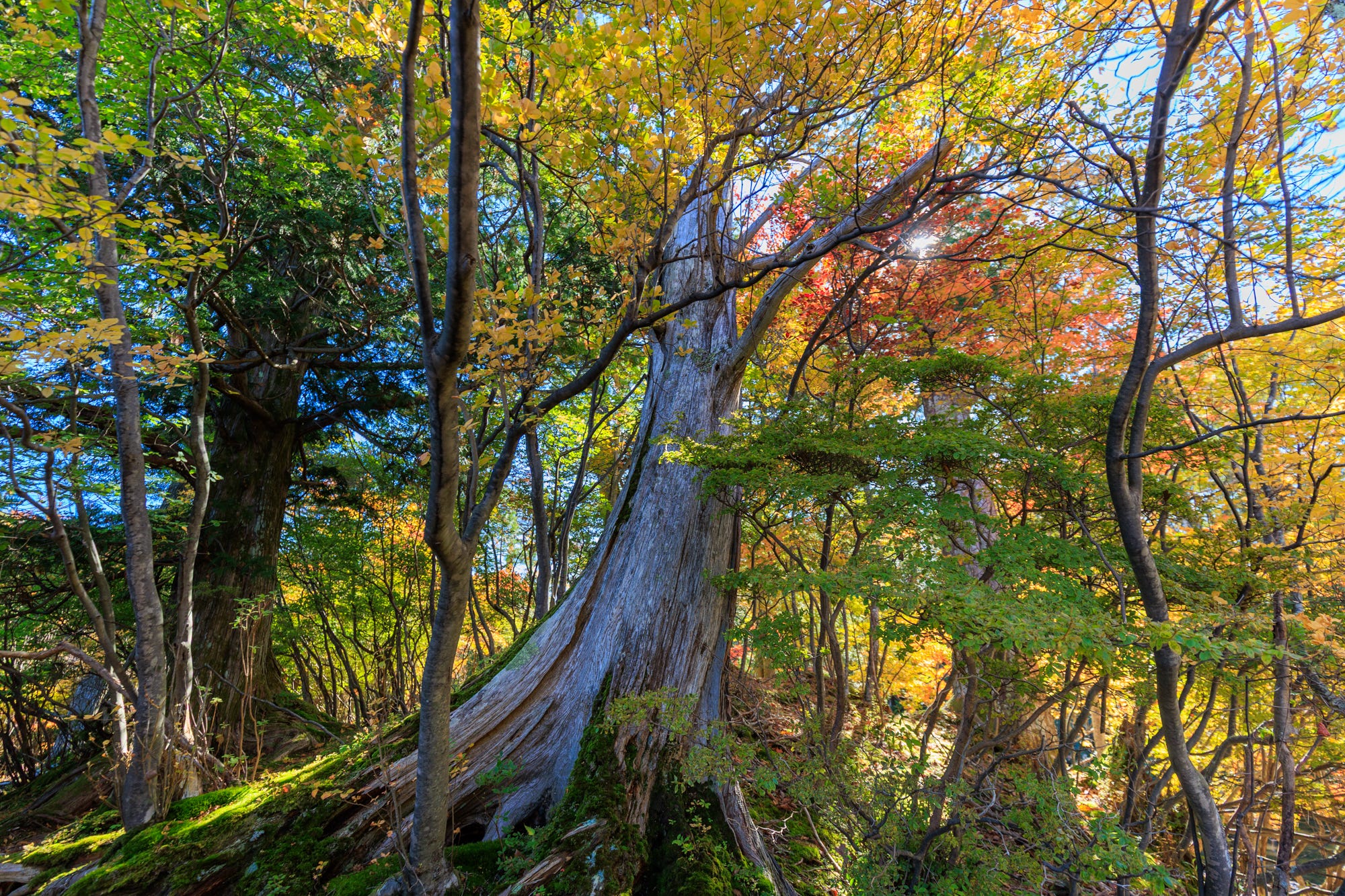
A giant cedar (I think) dominates the scene, hiding a small shrine above the tiny hill behind it. This is also where you will find that one scene that fits the description of “autumn in Japan”: a wooden, historical-looking bridge crossing the lake, connecting the shrine area to the narrow trail along the lake.
Many foliage scenes compete with each other in this area, but without feeling too overwhelming. The gorgeous light somehow keeps everything in order, creating scenery that feels cohesive rather than busy.
Before getting into the forest, there is another “landmark” along the way: Yudaki Waterfall, sadly not recognized in any national beauty rankings - not even in the top 100 - making it the underdog of falls. But you would have no way of knowing it, with all its spectacular loudness, crashing down almost at the feet of hundreds of people admiring it.
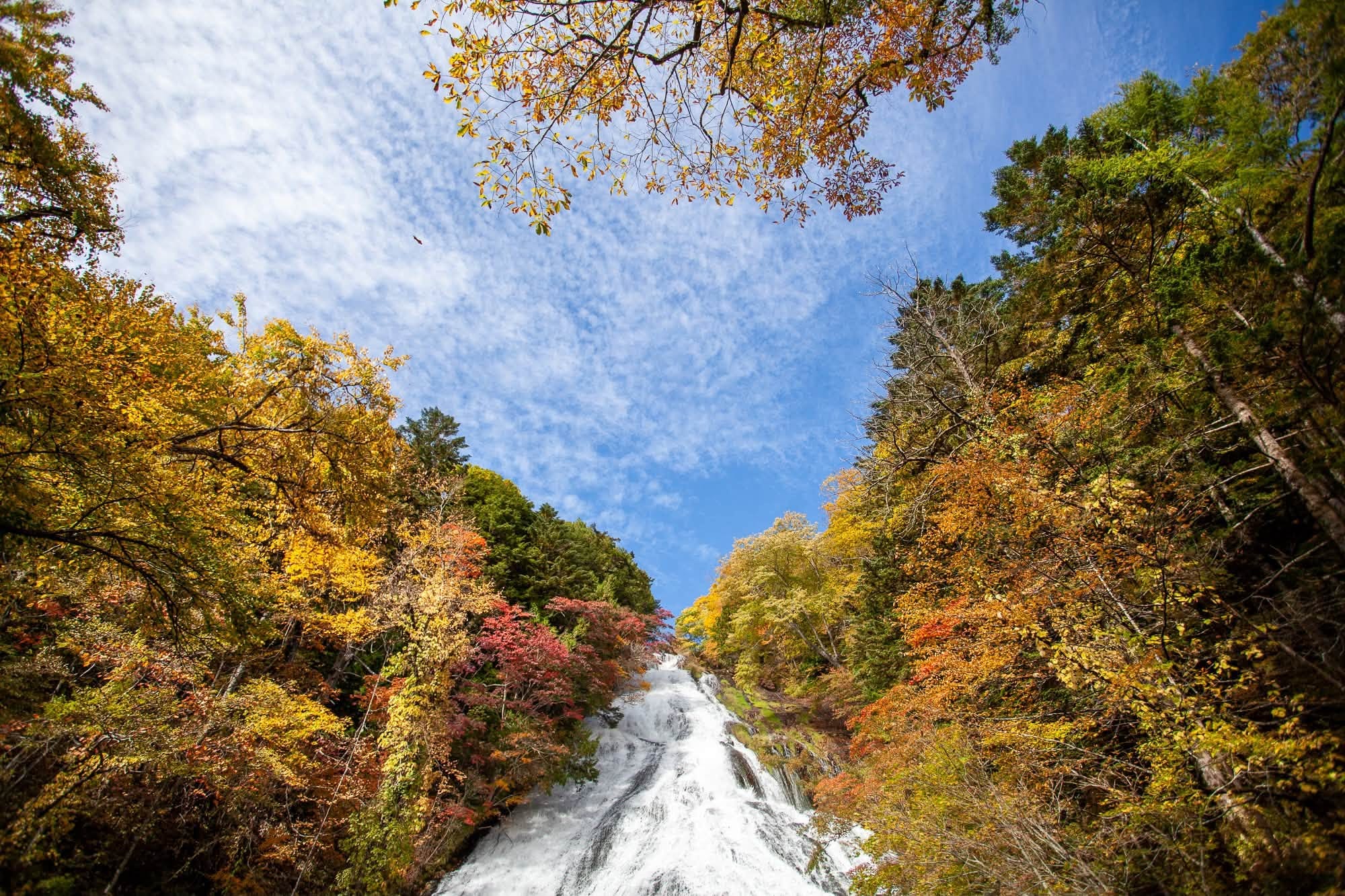
In those years when there are blue skies, peak foliage, and just a little wind pushing the leaves away from the trees to dance above the waterfall, our little underdog, Yudaki, sure gives you another iconic scene.
But not to add to Yudaki’s pain, I somehow always find myself rushing through this section, eager to reach the forest section that starts right behind the waterfall.
Just a few minutes after leaving Yudaki behind, the wooden platform curves deep into the forest, and everything gets quieter, but also much more colorful.
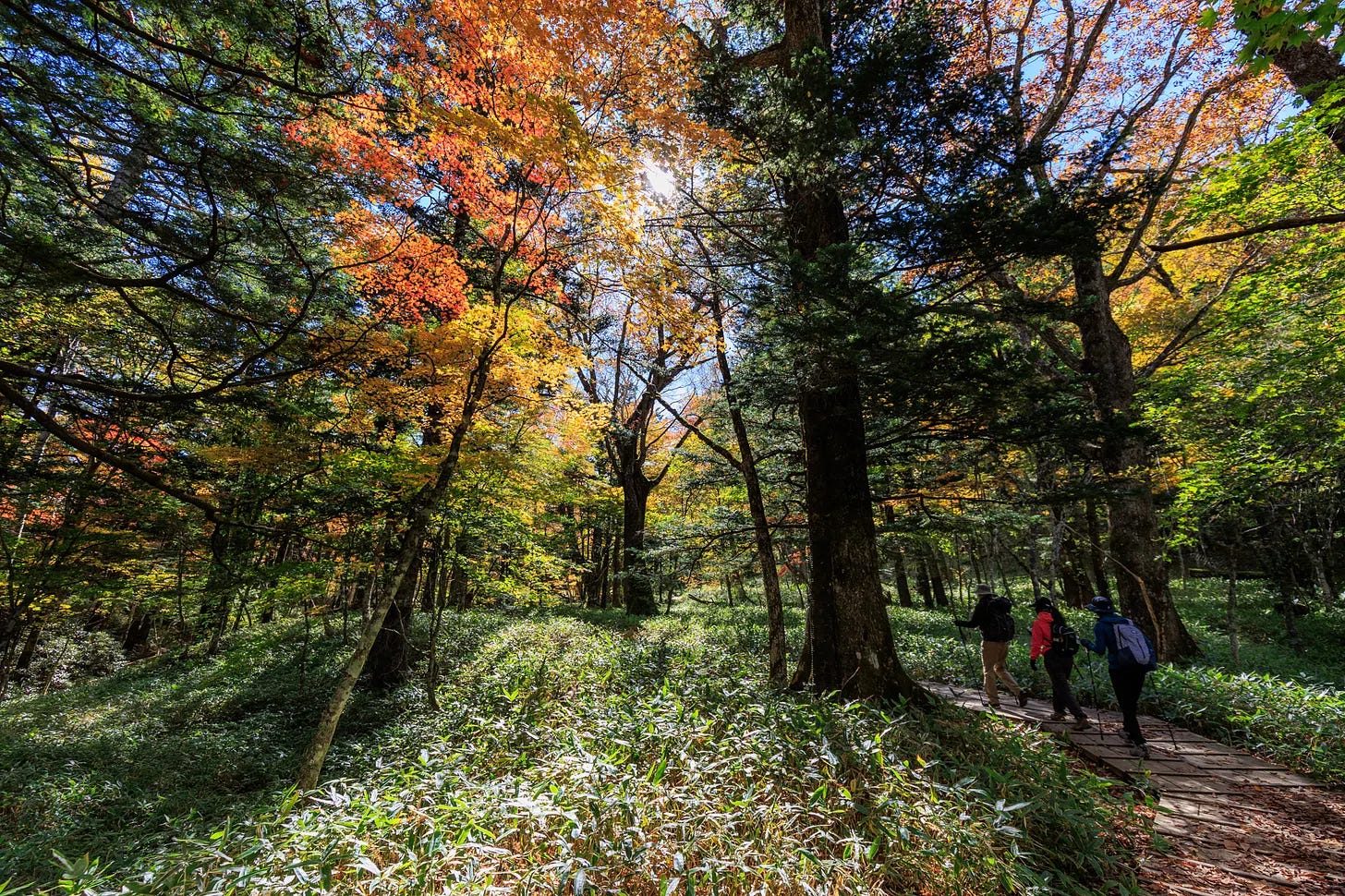
Right out of the gate, many different kinds of trees lean towards each other, creating rainbow-colored canopies above. This is where my heart rate picks up a little, with more butterflies-in-the-stomach sections to follow.
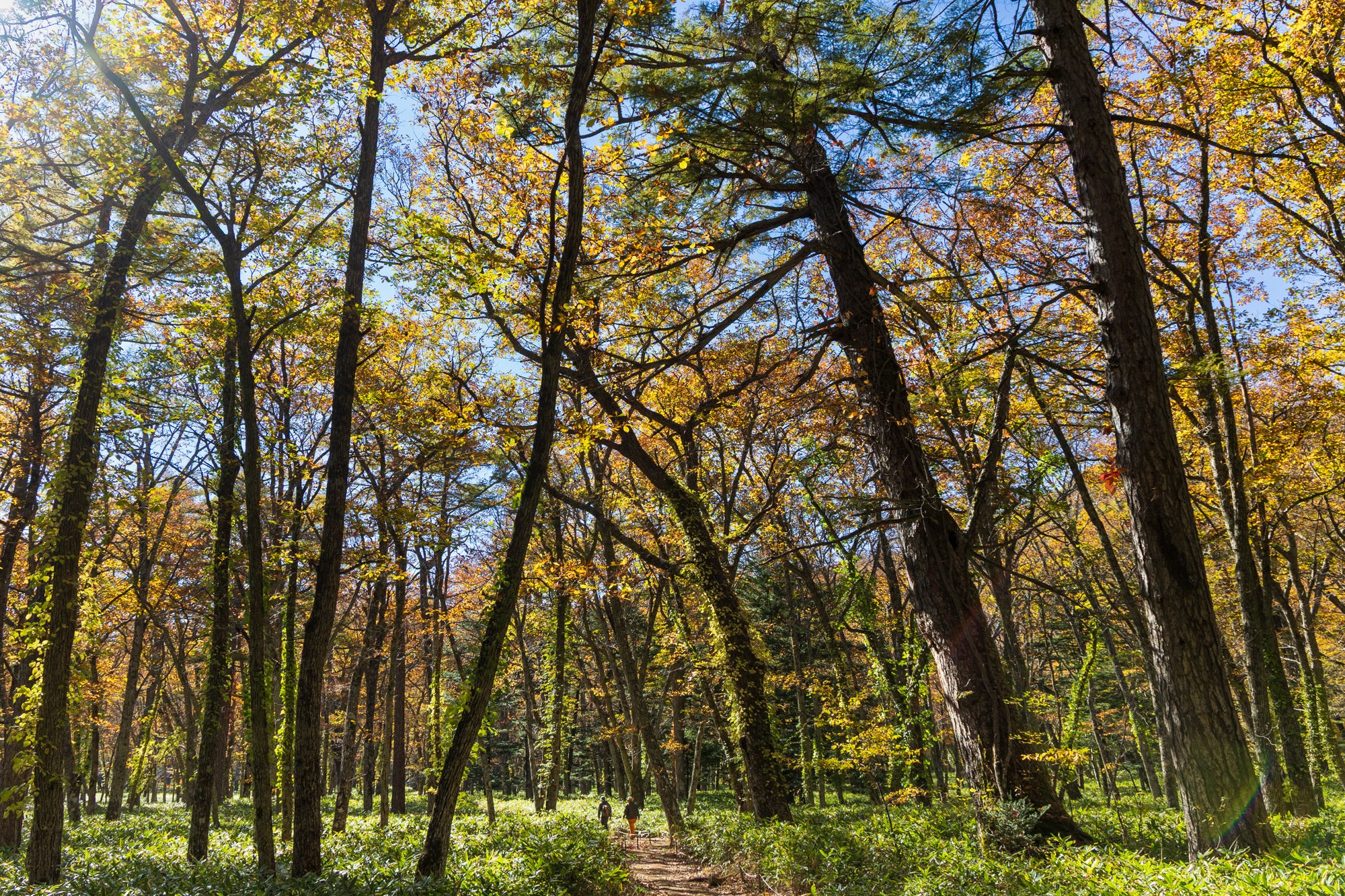
There are many detours along the way, each with its unique and highly tempting color options. The left route - what I call the “orange section” - leads first to a small waterfall, Kotaki, and then throws you right into the middle of Senjogahara Marshland, with its grasses yellow or crimson, or even white with the morning dew, if you are lucky.
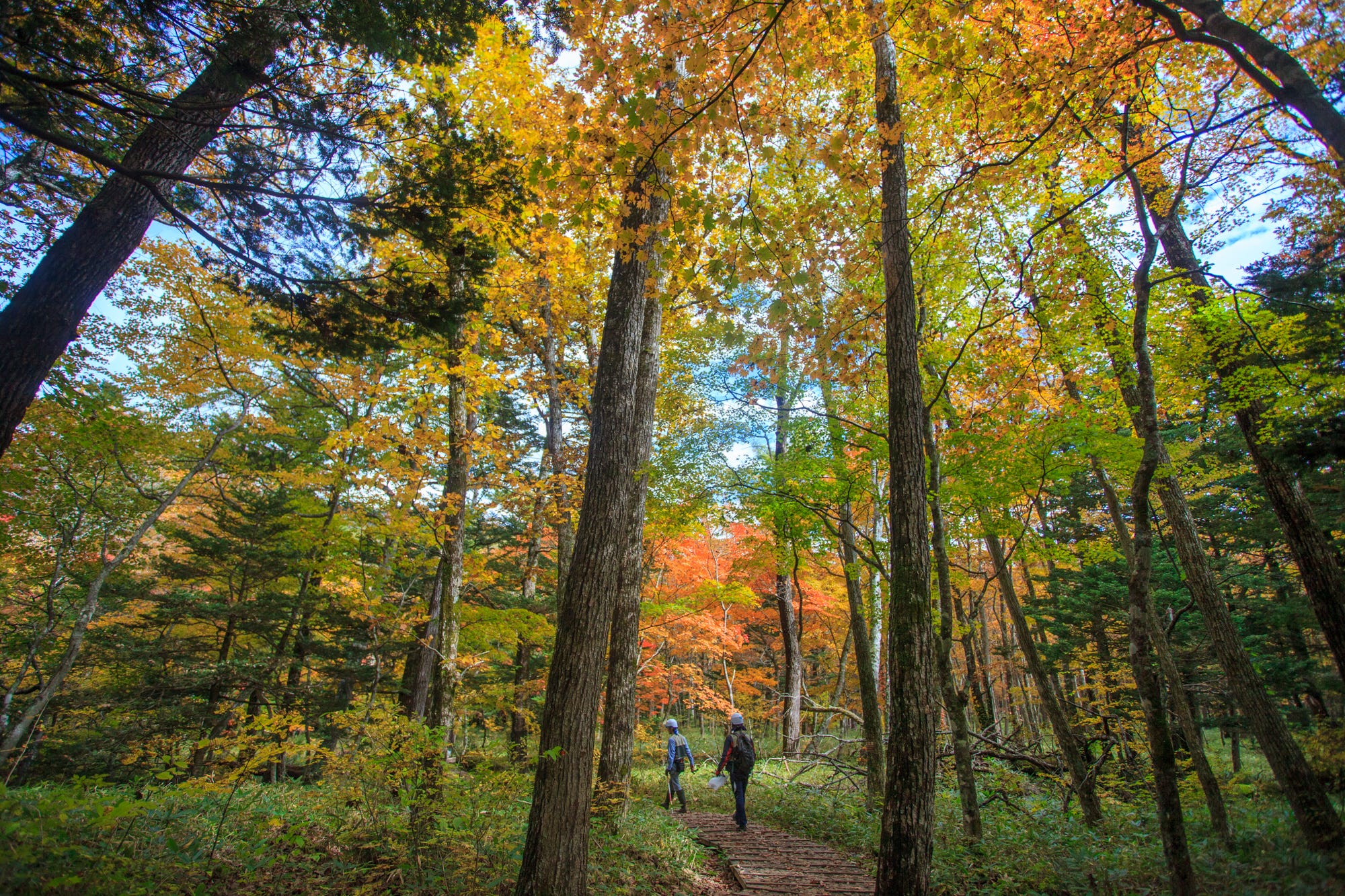
But I usually take the right trail that continues deeper into the forest. The path gradually narrows, surrounded on both sides by dense colonies of oak trees that, at this time of year, shine with gold-colored leaves.
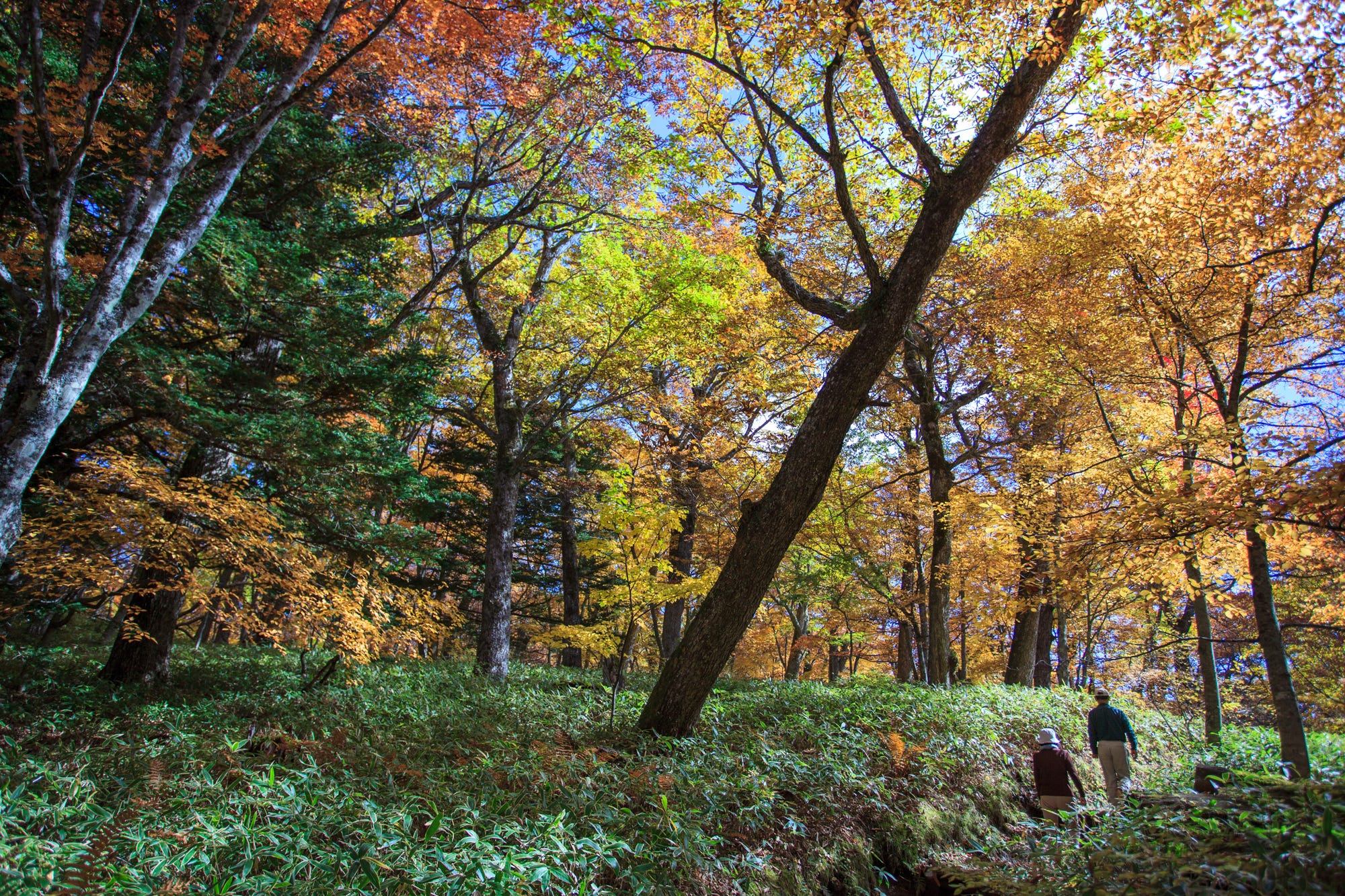
Every now and then, rainbow canopies reappear, popping up between the sea of gold leaves - all part of what I have come to call, in private, the Alice in Wonderland section of the trail.
And what brings me back to Oku-Nikko year after year is this forest section, not Lake Yunoko with its mirror effect, the gorgeous but loud Yudaki Waterfall, the tiny shrine, or the picturesque bridge.
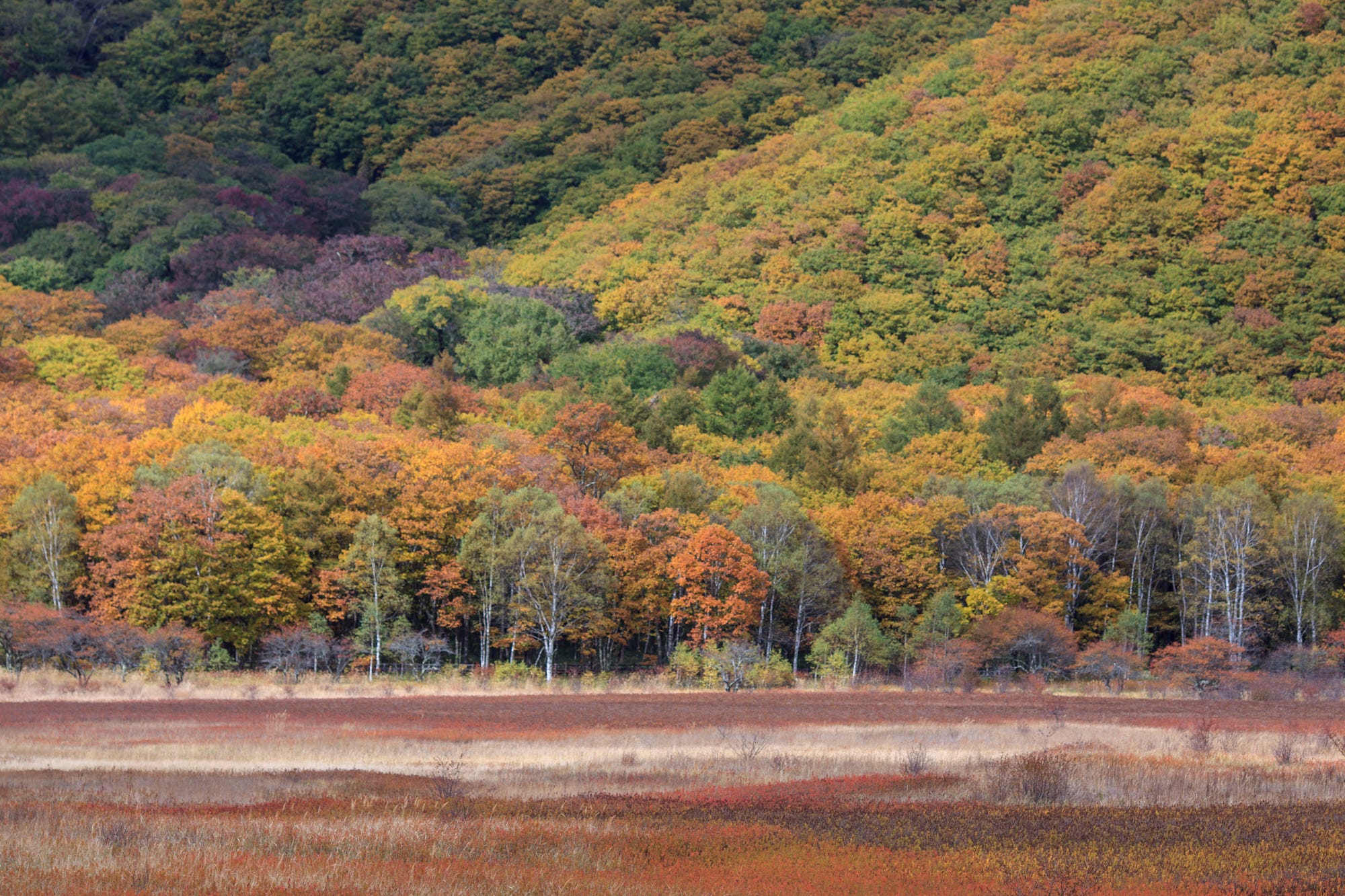
Next comes the smaller marshland - Odashirogahara - allowing Oku-Nikko to put on another show. After a lake, a waterfall, the bridge (if you insist), and a colorful forest, it turns the scenery on its head and gives you a crimson-colored dry marshland, dotted with bare trees that look more like sculptures in an open-air museum.
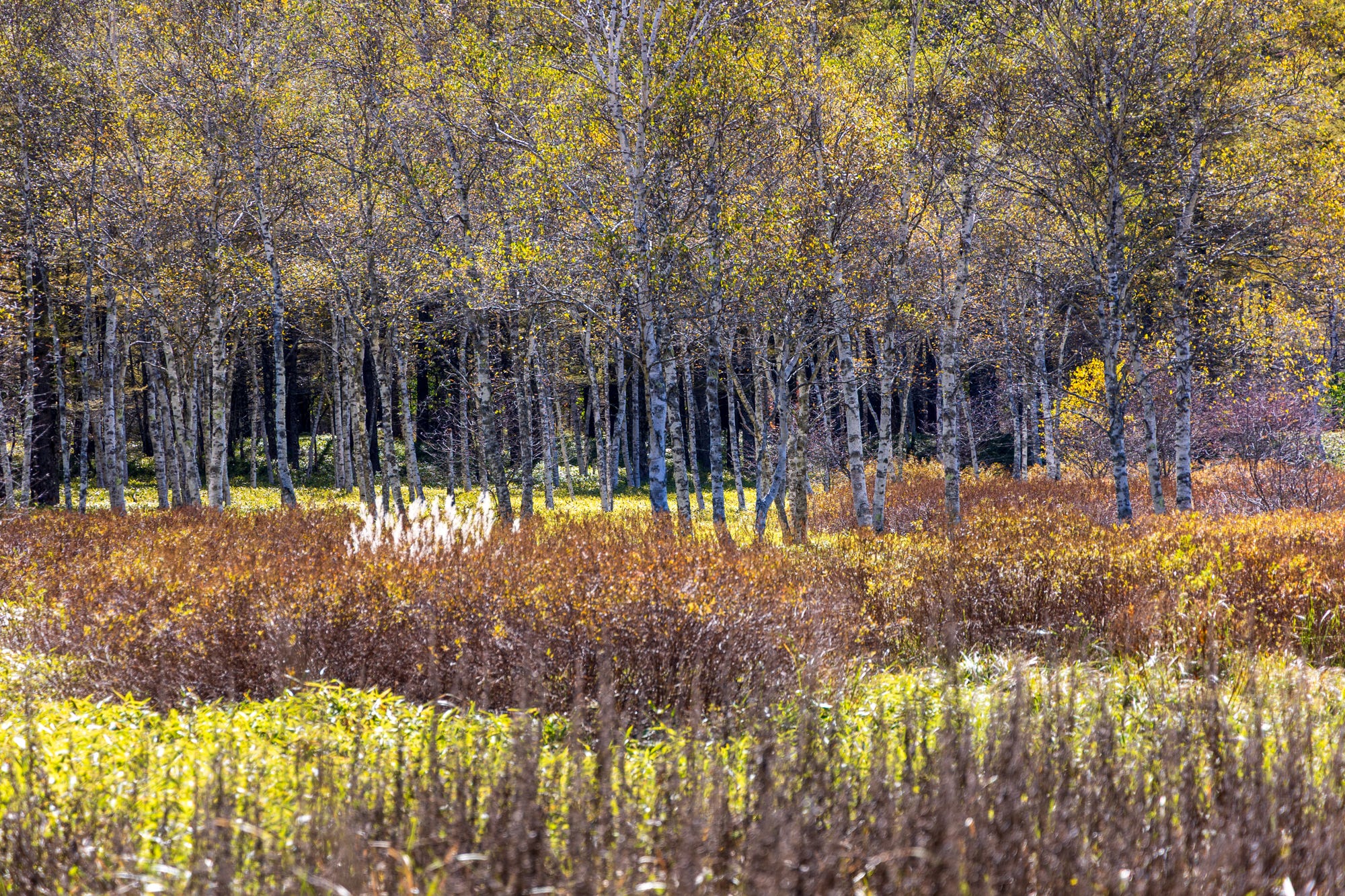
And behind all those muted colors rise rainbow-colored mountains, making the whole scene feel both understated and energetically colorful at the same time.
Once I drag myself out of this section, which I certainly don't rush through, I ignore the alternative route options and bravely push the gate with the “beware of bears” sign on, but only after seeing a few others doing the same, and find myself back in the deep forest.
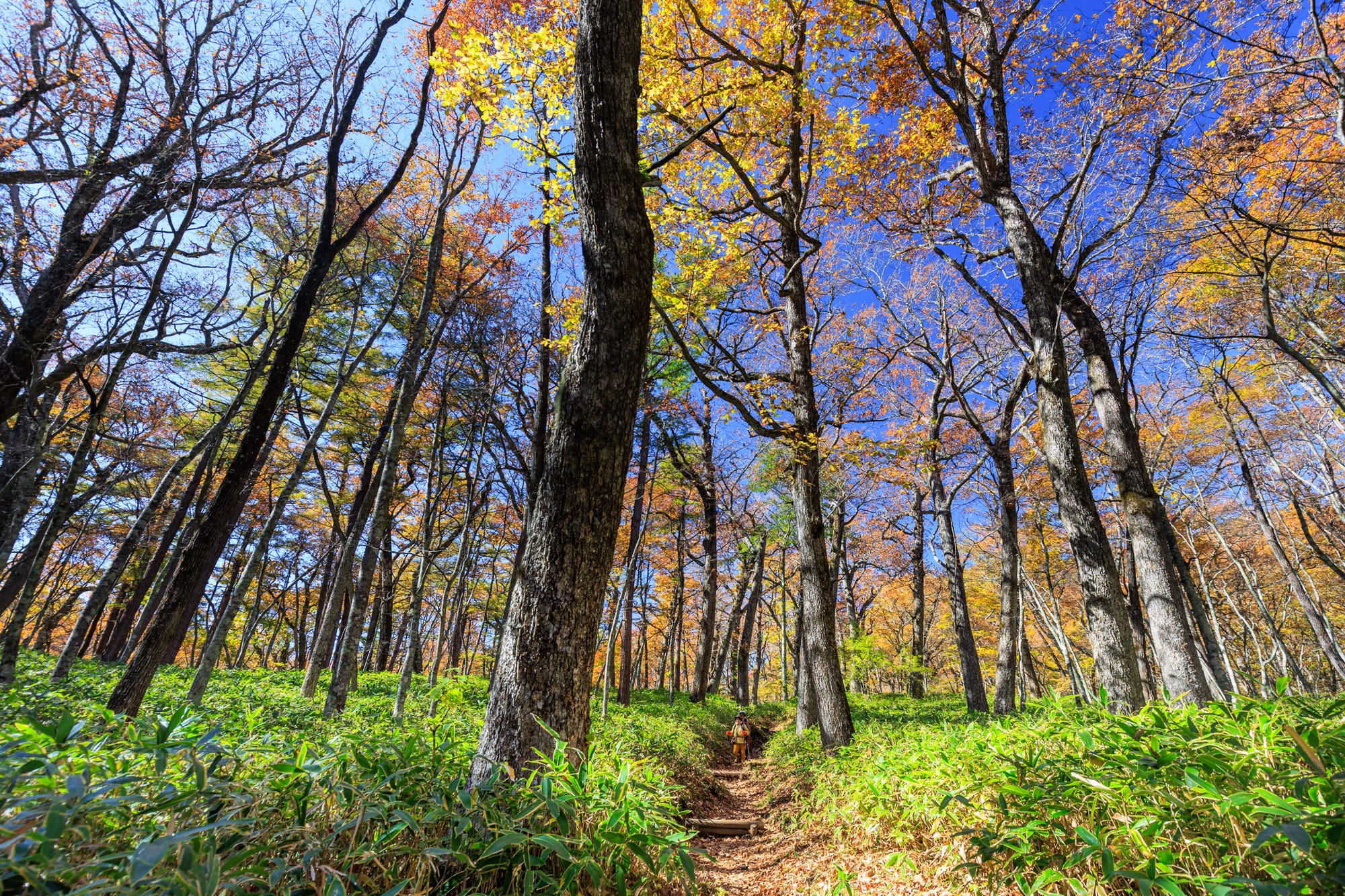
The trail continues for maybe another hour, with our trees of gold still leaning on both sides. It gets narrower and curvier as it gently climbs and descends, eventually bringing me to another decision point.
In some years, I head back north to check out the color situation along my “secondary choice” trails, including the “orange section”. In other years, I continue south and follow the trail along the Yukawa River that, in its final section, runs alongside Ryuzu Falls from top to base.
The first sight of Ryuzu also signals the end of the forest section. The trail suddenly throws you out onto a car road - with a fairly spectacular viewpoint as a consolation prize: Ryuzu descending towards Lake Chuzenji through the woods.
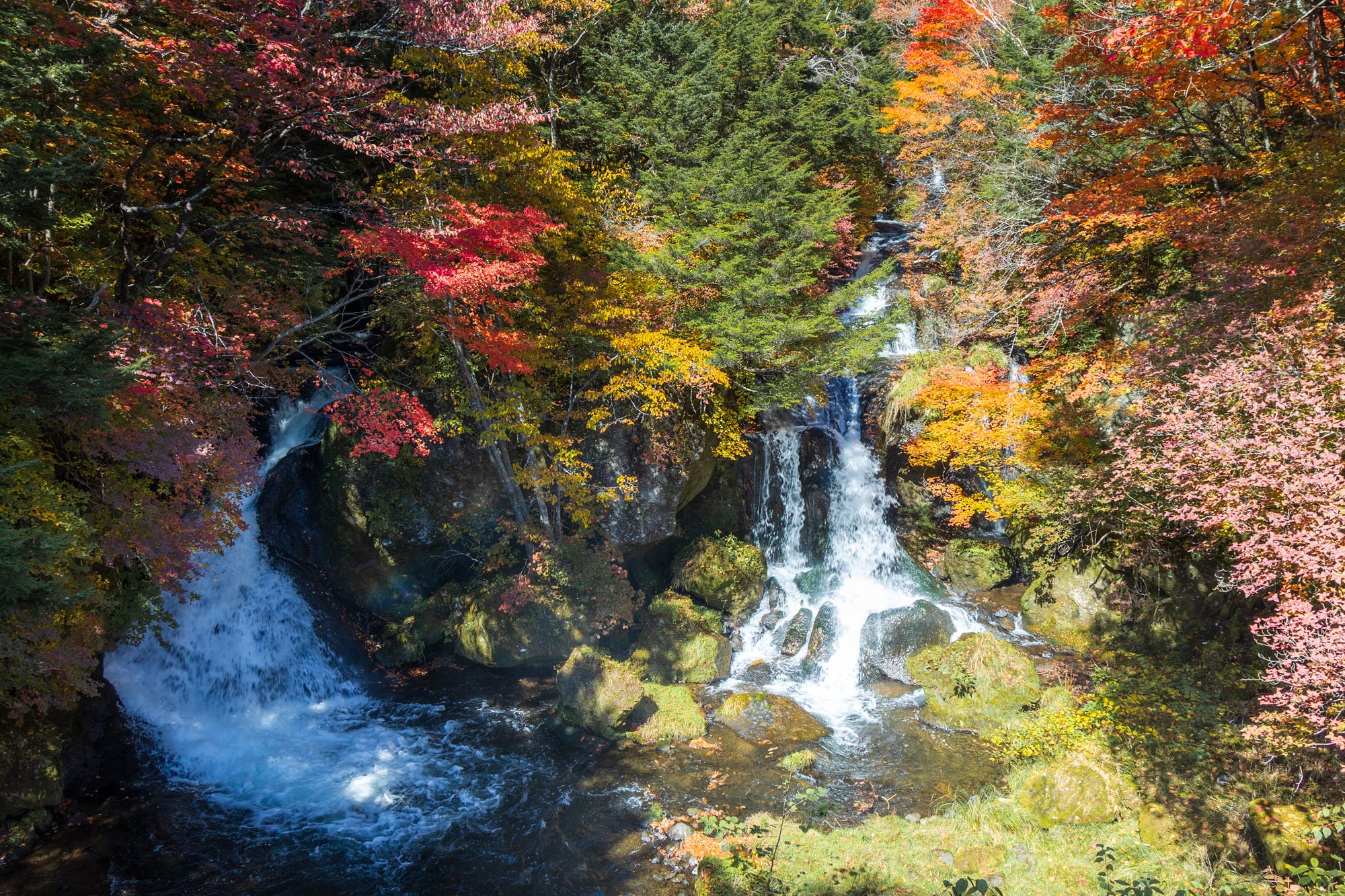
Ryuzu, sitting right across from the small viewing balcony attached to a cafe welcoming hundreds of people at this time of year, is certainly gorgeous, but it is somehow my least beloved waterfall in the area for the unforgivable sin of being too predictably beautiful.
In some years, this is also the end of the hike for me. But if the weather is good, I extend it for another hour with a less colorful but certainly refreshing walk by the lake, leading back to Chuzenji.
Back in my Oku-Nikko home base, I stop for a normal or suspiciously long lunch, depending on the hour of my train back to Tokyo. I usually (read: every year) eat at Maple Restaurant by the lake before heading to the “real” Nikko town, which always feels so lively and much more “visited” than where I just came from, even though its foliage peak is still a few weeks away.
Every year, I decide this will be the year I also spend a few hours in Nikko and finally visit Toshogu Shrine, one of the most famous in Japan, with a bus stop right in front of it. And every year, I watch the stop for the shrine pass by and find myself back on the train to Tokyo instead, convincing myself that an autumn foliage outing and a major shrine visit require entirely different states of mind. So, maybe next year.1
As always, thank you for being here.
Until next month,
Burcu
More autumn trips from the newsletter:
Autumn Colors Trip to Aomori, Tohoku
Four Nights, Four Onsen Stays in Tohoku During Peak Foliage
The Mighty Autumn Season: Review of My Favorite Foliage Spots in the Country
If you are following a similar itinerary from Tokyo, the Tobu Nikko Pass All Area (8,000 Yen for adults) is a good option, covering the round-trip train journey from Asakusa as well as buses (for four days) around Oku-Nikko, including the Lake Chuzenji, Senjogahara, and Yumoto areas. But it does not pay off for one-day or two-day trips. The express train from Asakusa takes around 1 hour 50 minutes, and from Nikko you will need to take a bus to Lake Yunoko. If you are staying only one or two nights, the two-day Yumoto Onsen Free Pass (3,500 Yen for adults) is another option for unlimited bus travel between Nikko and the Yumoto area. You must purchase limited-express train tickets separately (1,800 Yen one way).
Wow, those are gorgeous photos.