

Good afternoon,
We're in full winter mode in Tokyo—not the cozy kind with snow, but the kind where air conditioners run all night,1 socks are required for bed, the last remaining fall leaves look more sad than vibrant, and the subway entrances seem more inviting after work—despite knowing I'll be squeezed among hundreds of commuters—than the otherwise pleasurable walk to the train station, where I’m guaranteed a seat in the train. And I adore it.
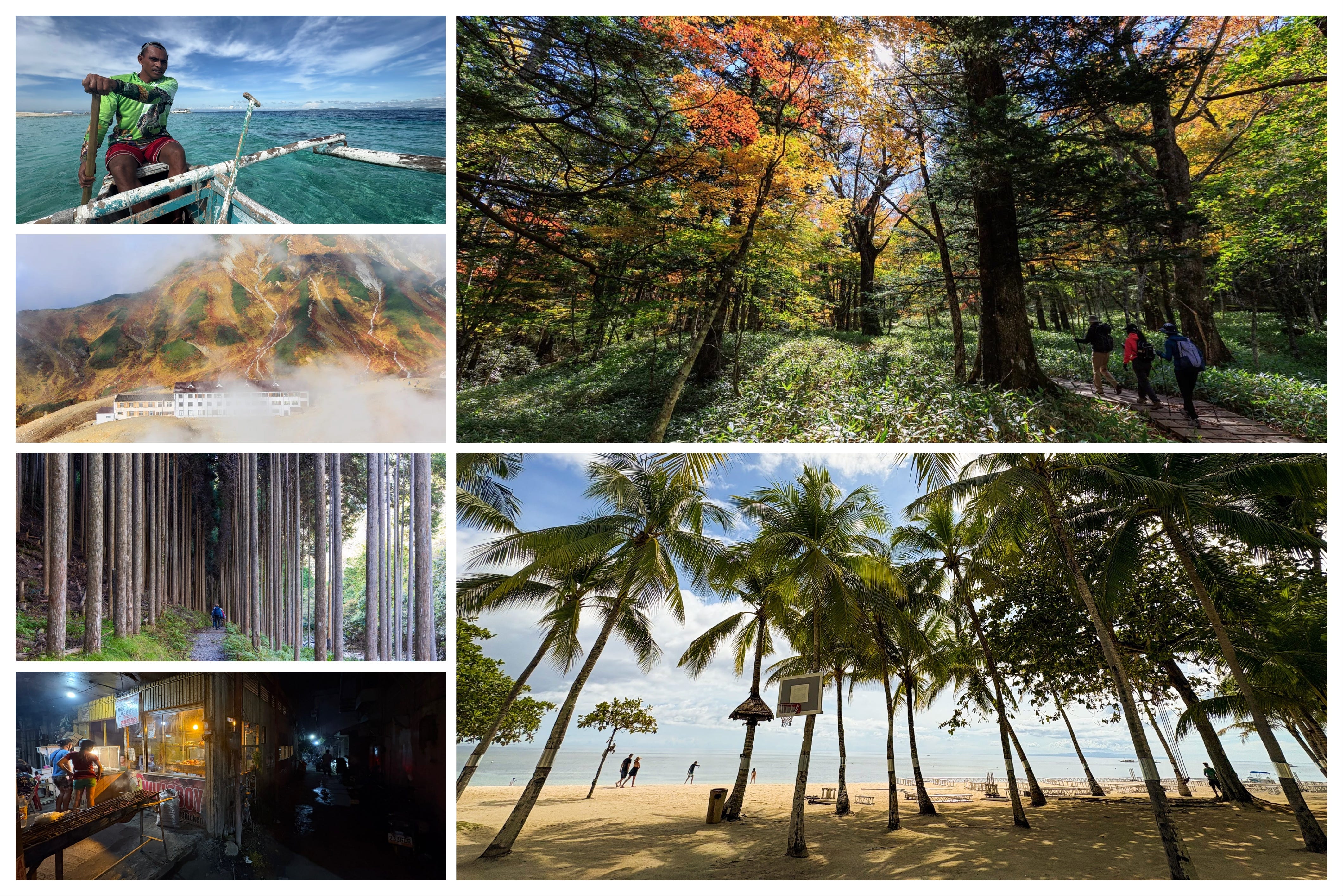
This fall, I've been away from Tokyo and home for a little longer than usual. There were weekend trips to see the fall colors, followed by city breaks with very close and dear friends from Turkey—such an energizing time, experiencing Japan through their eyes. I also hiked the Kyoto Trail and had an unusually long work trip to Bohol, Philippines, a place so full of life that it completely blew my mind.
After all this time away, being back in Tokyo and waking up in my own home feels as exciting as being on a great trip. I’m also glad this isn’t a season of vibrant fall colors, heart-stirring sakura, or heart-warming snow. The blandness of nature in early December gives me a sense of calm (unlike my restless state of FOMO during the fall color season) and space to appreciate and enjoy Tokyo for what it truly is: a reliable, exceptionally well-functioning city of 23 wards, each with its unique character and an unexpectedly warm sense of community.
As a city that doesn’t interfere with your life but quietly supports it with underlying economic and social infrastructure functioning so seamlessly that you hardly notice, Tokyo offers a lot of space to focus on what matters—not necessarily literally (more on small apartments below), but definitely figuratively. It is not one of those cities (like the beloved one I’m from) where merely living demands so much energy and resources that you inevitably question whether it’s worth it. Instead, Tokyo, in my experience, prefers to remain in the background, not taking center stage unless you want it to.

So, after all these terms of endearment, you might have guessed that this final 2024 edition of Letters from Japan is more about home than travel, focusing on Tokyo—and more specifically, on the neighborhood where I live. There is also a short announcement at the end for a new travel diaries series—spoiler alert: a winter train trip through Hokkaido.
Tiny Tokyo homes
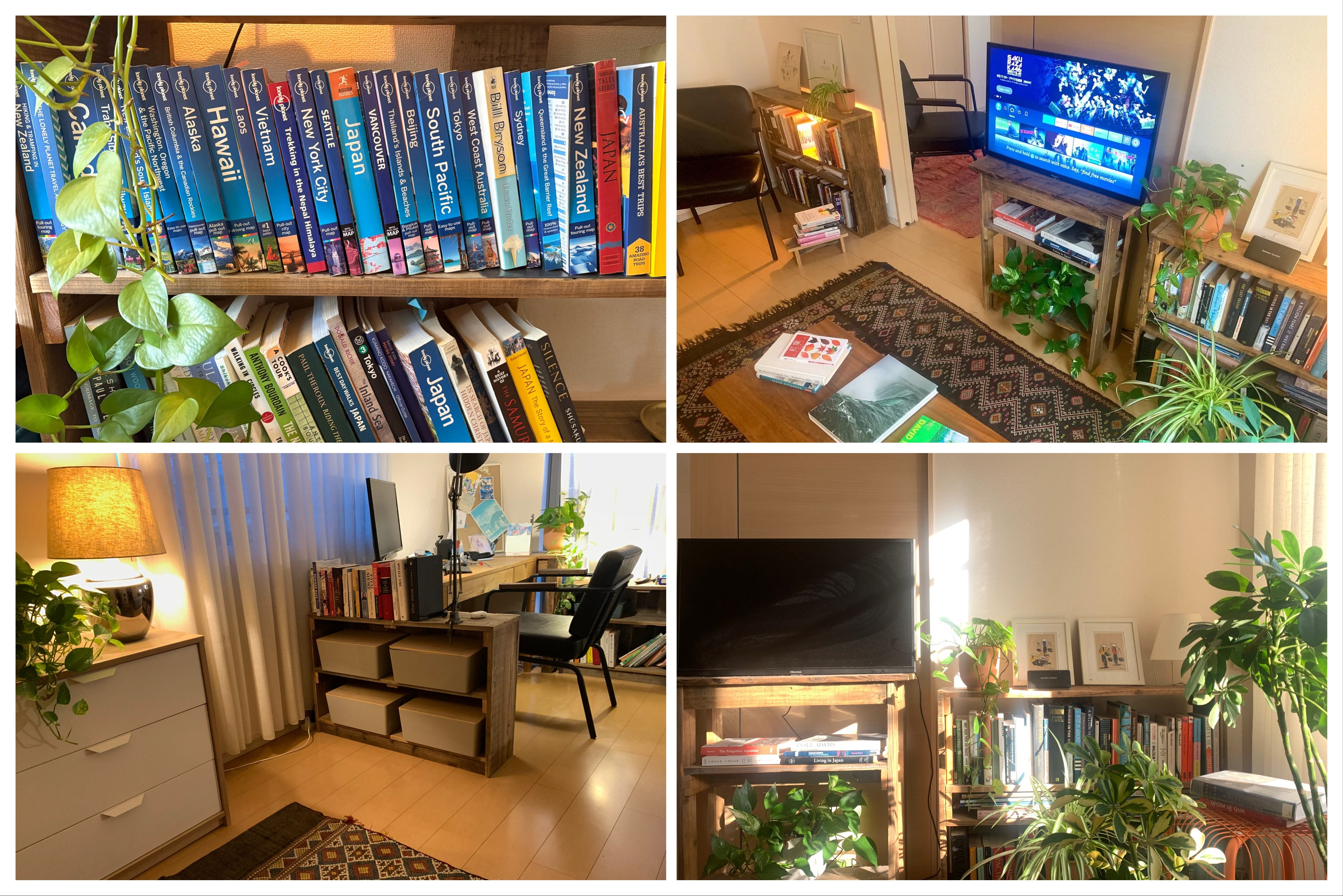
Tokyo is often labeled as one of the most expensive cities in the world, a premise I find debatable. It’s also infamous for its tiny apartments—definitely less debatable—which, judging by the number of YouTube videos, attract a lot of curiosity. So, while my apartment isn’t small enough to deserve a New York Times feature, it might still be the ideal place to start this ironically 'domestic bliss' focused edition of a travel newsletter before moving on to the neighborhood.
I live in a 37-square-meter apartment, which, while considered mid-size for single living in Tokyo, still feels shockingly small to many visitors not used to Japan's compact spaces. It's on the second floor of a three-story wooden building, with large windows that let in plenty of light—helping to keep my plants alive despite my absent parenting. It also keeps me connected to the outside world and the (often) gentle street sounds, which I happily welcome as a household of one.
My home is in the eastern part of Tokyo, near the Edogawa River, in an old neighborhood around Shibamata, which is part of shitamachi (下町), meaning 'low city' in Japanese.
In the past (and still to some extent), the eastern part of Tokyo was known as the home of working-class merchants and artisans—Shitamachi, in contrast to the more affluent Yamanote, occupying the western side of Tokyo and, which was home to the upper class.
The Eastern Tokyo neighborhoods, once known as ‘low cities,’ are now celebrated for their old Tokyo charm and retro vibe.2 Many of them, especially the less central ones like mine, in addition to their nostalgic charm, stand out for the absence of trendy coffee shops, restaurants, and stores. In my neighborhood, you're more likely to find a very old kissaten than a third-wave coffee shop, walking (and often failing) the fine line between being a retro heaven and an unappealingly worn-out shop.
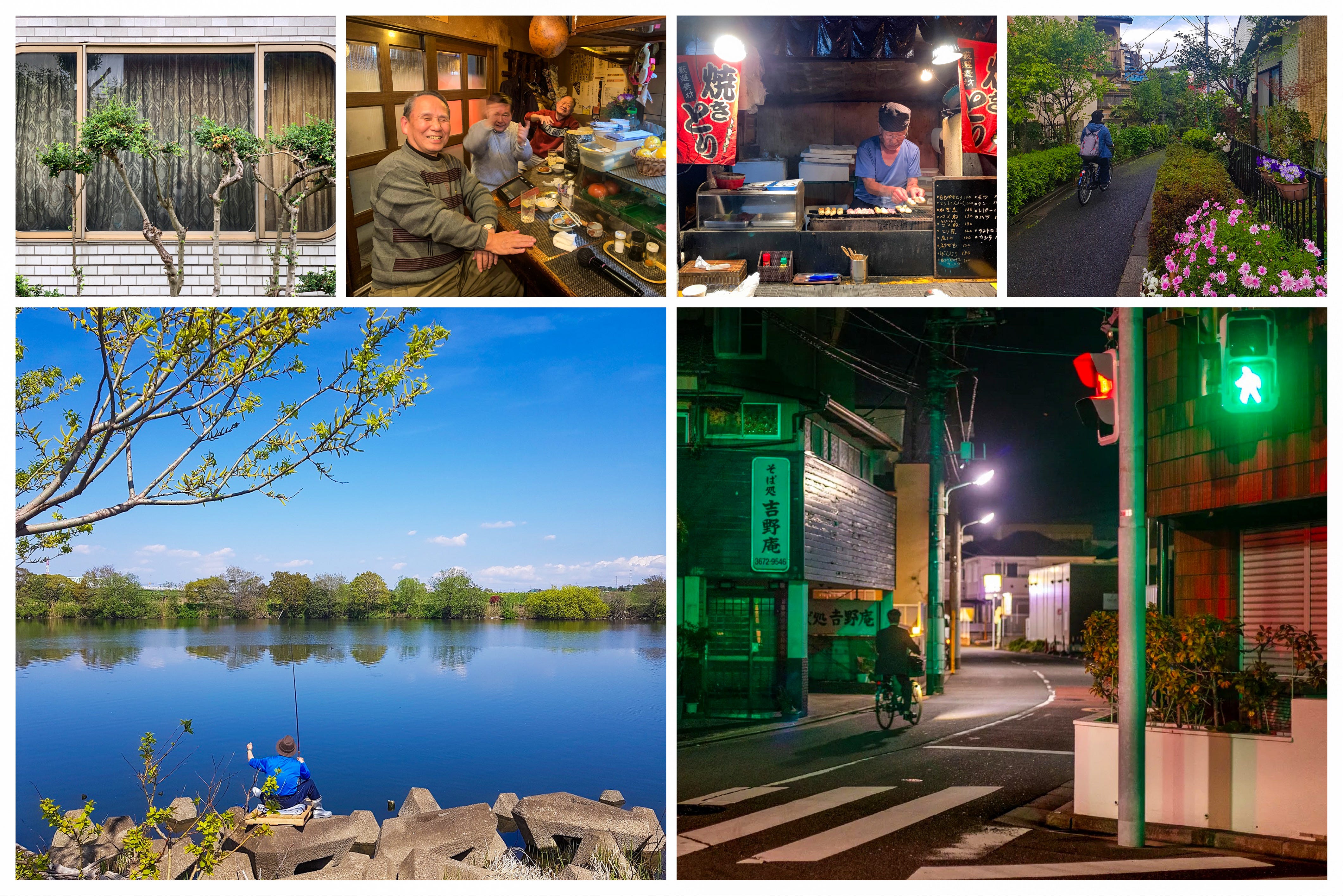
The buildings are mostly low-rise, the alleys narrower, and the shotengai still serves as an active shopping venue rather than just a sightseeing spot. At 43, I’m probably one of the youngest residents. Thanks to the many retired locals, it’s not one of those neighborhoods where you rarely see anyone during the day. There’s street activity all day long, starting with the 4 a.m. commuters and ending with the karaoke bar crowd at around 2 a.m., who either sound too happy about life or raging mad at it.
While the entertainment options may feel too limited for a younger person, the overall atmosphere works perfectly for me. After living most of my adult life in the heart of one of the busiest and most chaotic cities in the world, I had long passed the phase of urban FOMO and did not feel the need to be in the middle of the action, especially if it meant a little bit more space.
In terms of costs, as a single person with no kids, I may not be the best person to realistically comment on the affordability of Tokyo, given that my mandatory expenses are fairly limited. However, one thing I can confidently say is that Tokyo, with its uniformly high public service and safety standards across all 23 wards, has allowed me to downsize my life and expenses quite substantially while still maintaining a very decent quality of daily life. I pay just over 100,000 yen (USD 650) a month for my apartment and electricity, gas, water, and internet bills.
Tokyo`s largest public park
One of the biggest draws of my neighborhood is its proximity to Mizumoto Park, the largest public park in Tokyo. Just a 15-minute bike ride from my home, it’s, in my view, one of the best spots to enjoy Sakura in the city. Covering almost one million square meters—large enough to make you forget you’re in one of the world’s densest cities—the park is home to hundreds of cherry trees. Even at the peak of Sakura season, it never feels as crowded as other parks or gardens.
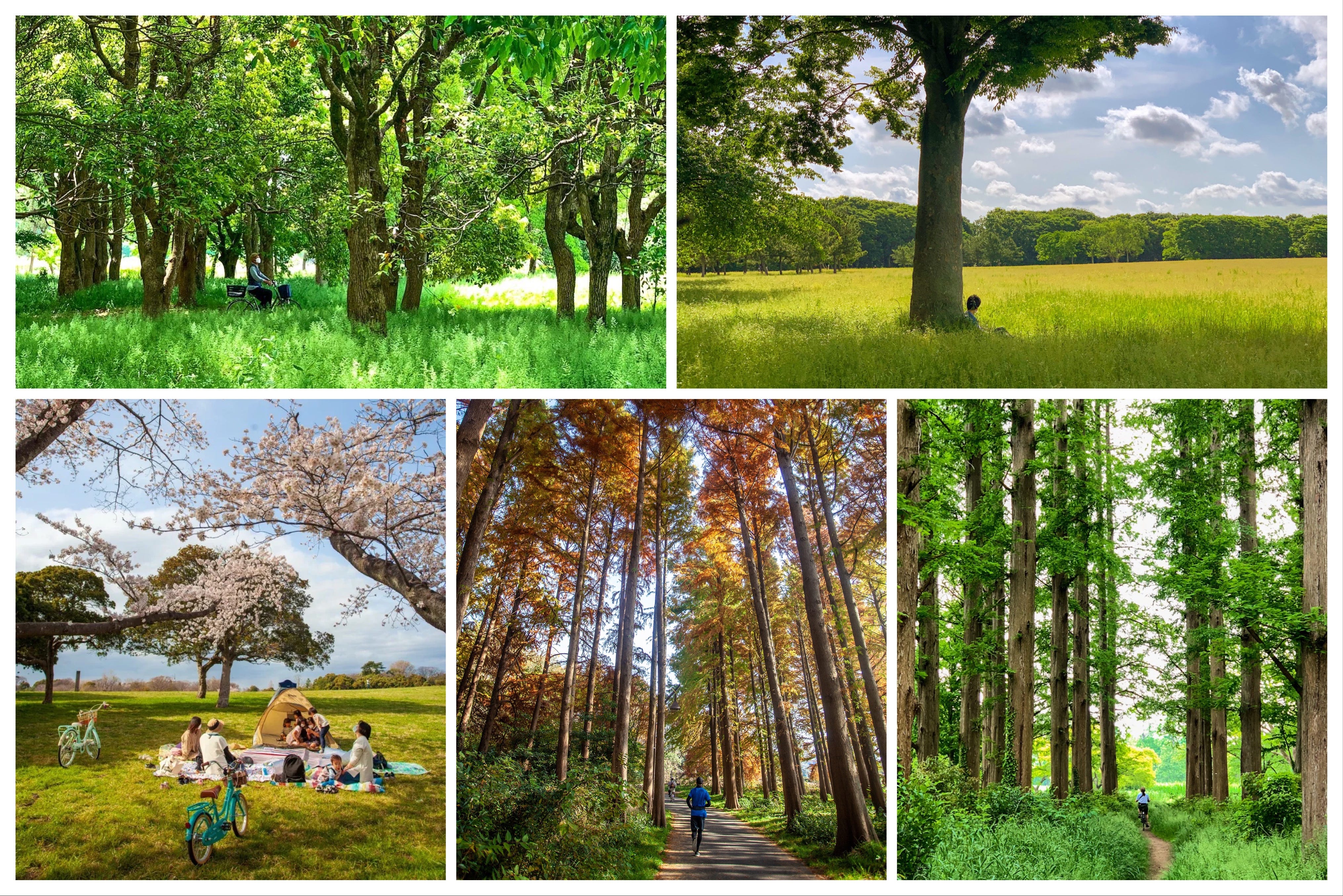
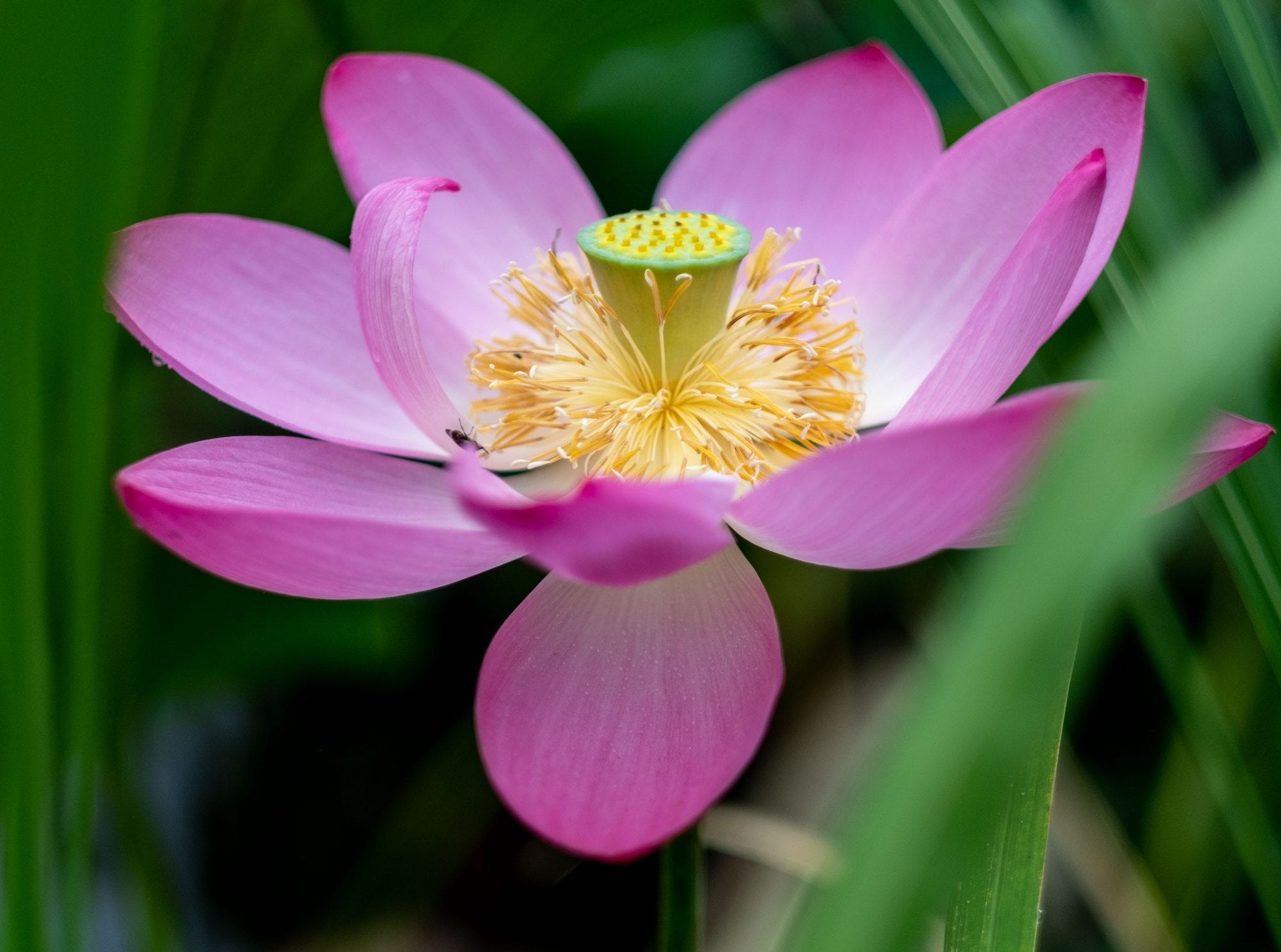
There is also a lotus pond that comes to life each year in mid-July. While Ueno Park is the more popular destination with its expansive pond and central location, the smaller lotus pond in Mizumoto Park offers a quieter, crowd-free experience. If you’re looking to enjoy these beautiful flowers in peace, it’s worth a visit.
The rest of this post is available to paid Letters from Japan subscribers. Each monthly letter is free to read when published and becomes part of the paid archive after a new monthly letter is published. Paid subscribers receive continuing access to the complete archive of more than 70 posts, including all past monthly letters, additional travel diaries, walking itineraries and other Japan travel resources. You can use the subscription box below to upgrade and continue reading.