

Good evening,
I hope early summer, or winter, depending on where you are, is treating you well. With the consistently cloudy days and one typhoon already behind us, the rainy season is surely upon us here in Japan.
But even though I am always game to dwell on the weather (a habit I picked up only after moving to Japan) or pre-complain about the approaching summer season, that is not what brought me to your inbox today.
Instead, I am here to share a new addition to the One Fine Day city series, available to monthly and annual subscribers: an itinerary-focused guide to Nagasaki that complements the May letter, which briefly touched upon the city, the islands off its coast, and their shared history.
But, unlike the other One Fine Day posts (such as One Fine Day in Kanazawa, One Fine Autumn Day in Kyoto, and One Fine Autumn Day in Tokyo), which follow a single day from morning to evening, this Nagasaki guide takes a slightly different approach.
Since the city simply has too many historically significant sites to fit comfortably into a single day (unless built around a specific seasonal theme such as sakura or autumn foliage), this new addition offers three “One Fine Days” in Nagasaki, each built around a different historical theme and walking route:
Nagasaki Atomic Bomb History Walk – covering both surviving structures and memorials connected to the 1945 atomic bombing.
Nagasaki Western Heritage Walk – exploring the city’s early encounters with the West, from trade and missionary activity to the centuries of Hidden Christianity that followed.
Nagasaki Chinese Heritage Walk – focusing on the city’s relationship with China, including temples and one of Japan’s oldest Chinatowns.
At the end, there is also a link to a Google map that outlines all three walks and the stops mentioned in each section (along with a few pins about the cafés/eateries/hotels I like in the city). And as always, if you would like to discuss more about any of the sites or routes featured below, please do not hesitate to e-mail me.
I would once again like to thank you for your support of this newsletter and your interest. Possibly the trickiest part of running a newsletter is finding the right balance between emailing too frequently and not frequently enough. I hope this extra email and the new addition to the Paid Archive sit somewhere in the middle.
You can review all the posts in the paid archive here on Substack or on the dedicated page on my website: Letters from Japan - Paid Archive.
Now on to our topic.
Nagasaki Atomic Bomb History Walk
While it is inevitably always a heartbreaking experience, I deeply value historical sites tied to human-triggered tragedies for their power to remind us and, more importantly, warn us of what once happened and what could happen again if we cease to prioritize peace.
Nagasaki, the second city subjected to the atomic bomb in Japan during World War II, just three days after the devastation of Hiroshima, is today home not only to museums and memorial halls related to the event, but also to a remarkable number of structures that survived the events of 9 August 1945 and continue to carry the message of what happened out in the open.
One of those sites lies just a thirty-minute walk from Nagasaki Station, and makes an ideal first stop for this walk.
Standing on the first terrace of a long staircase that climbs through the city’s many hills, it would be easy not to notice the One-Legged Torii, standing quietly up there in the middle of a dense residential area as if there is nothing unusual about it.
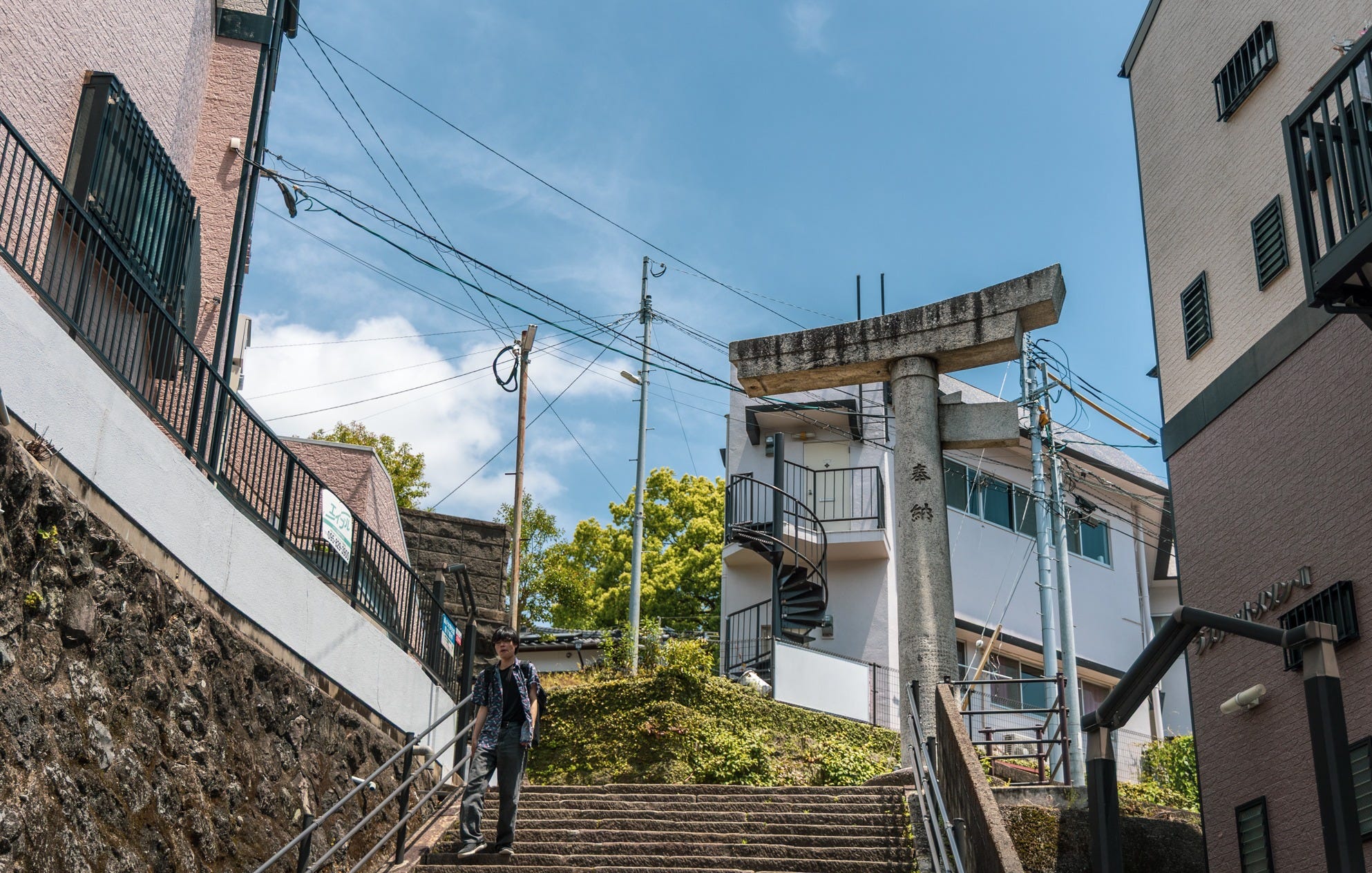
Yet this modest structure, located only 900 meters from the hypocentre of the atomic bomb, lost one of its pillars in the blast, while the Sanno Shrine, whose entrance it marked, was entirely destroyed. Today, this surviving half of the torii, with flowers placed at its foot, remains one of Nagasaki`s most striking symbols of survival.
Turning left from the torii gate, you will encounter an even more hopeful survivor: two camphor trees guarding the entrance of the Sanno Shrine (which has been rebuilt in the years following the A-bomb).
Severely damaged by the blast and initially presumed dead, the trees later sprouted new branches and continued to grow, and have since been embraced by the locals as a sign of healing and hope.
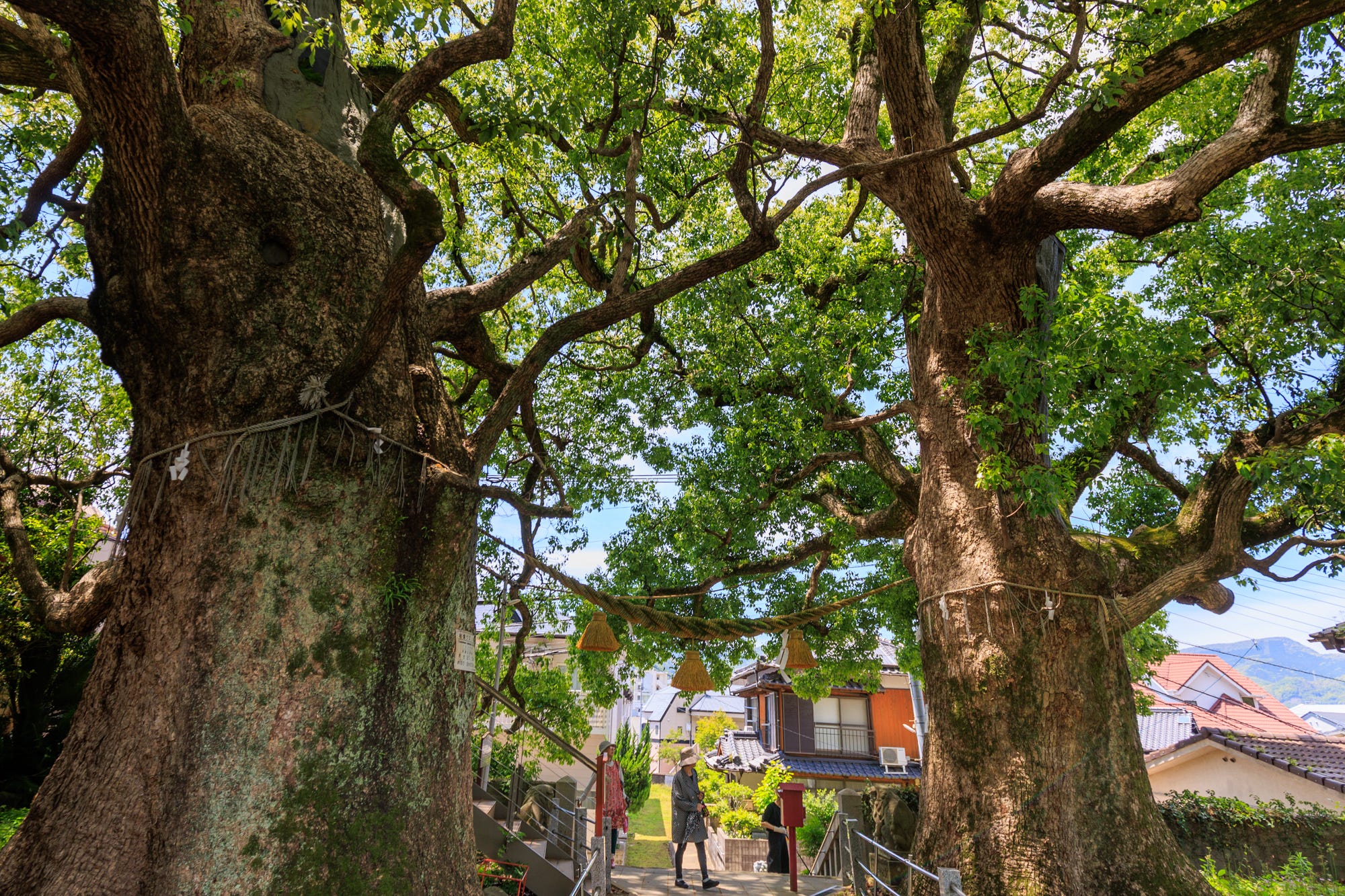
Today, the Sanno Shrine`s camphors are possibly the city`s most visited hibakujumoku - the atomic-bomb survivor trees that continue to grow throughout the city.
In total, Nagasaki records 50 such trees, which are the focus of the Kusunoki Project, which aims to preserve these surviving trees and pass on their stories to future generations. You can learn more about the project on this dedicated website: Project Kusunoki.
There are also, of course, several sites in the city intentionally built to remember the victims of the A-bomb, and promote the cause of peace. At our next stop - just a ten-minute walk from the Sanno Shrine Torii - you will find one of the most sorrowful sites related to the tragedy: Nagasaki National Peace Memorial Hall for the Atomic Bomb Victims.
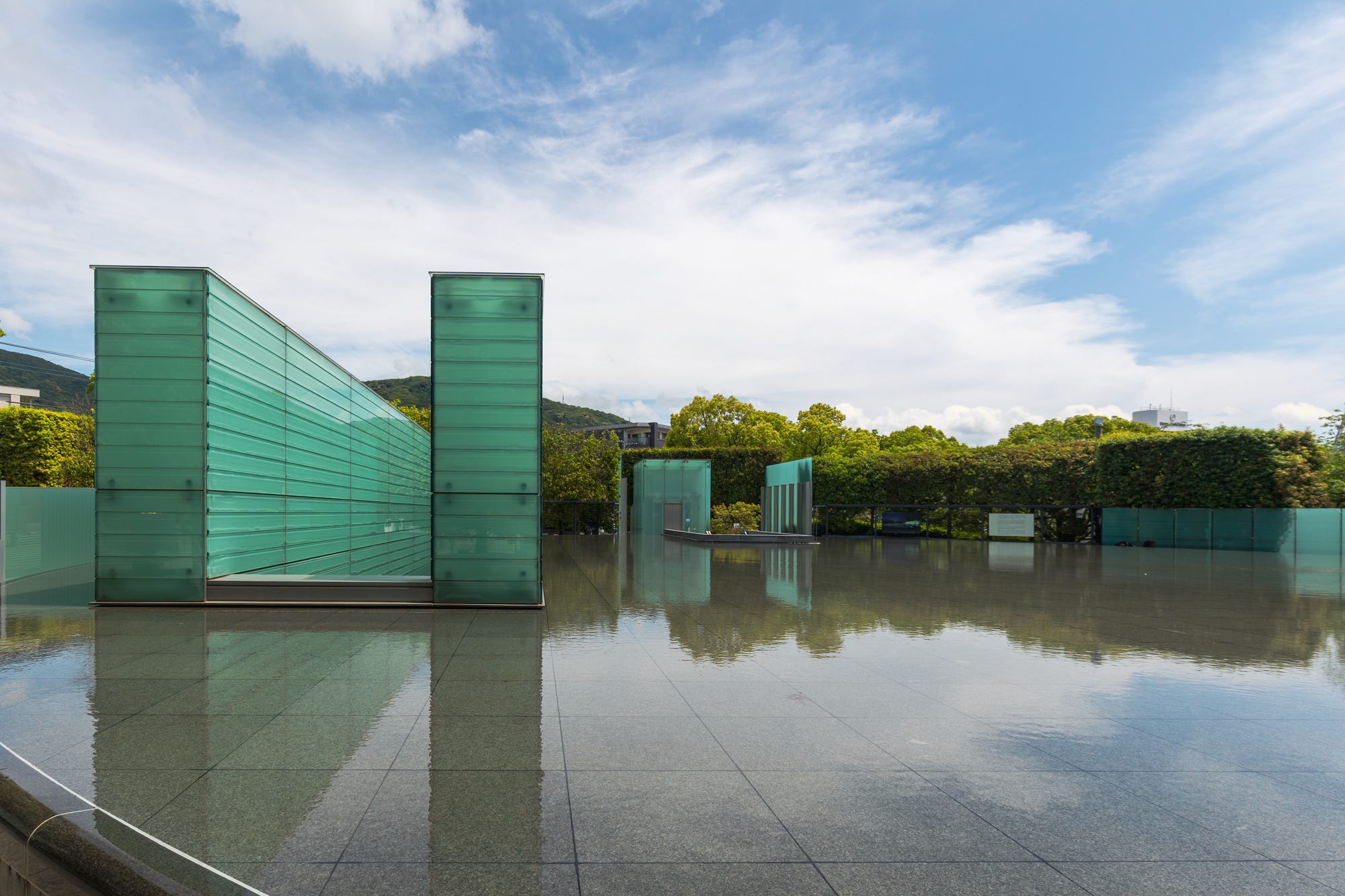
While the Memorial Hall does not carry the tangible evidence of the tragedy like the Sanno Torii Gate, with the shallow water basin - a reminder of the water deeply craved by the victims - and the 70,0001 lights hidden below to symbolize the lives lost, it is a site that remains at least as powerful.
The hall sits directly beneath the water basin and is defined by twelve pillars that face the A-bomb`s hypocentre. It is also here that the names of 201,942 victims are preserved in 205 registry books, where they are remembered and enshrined.
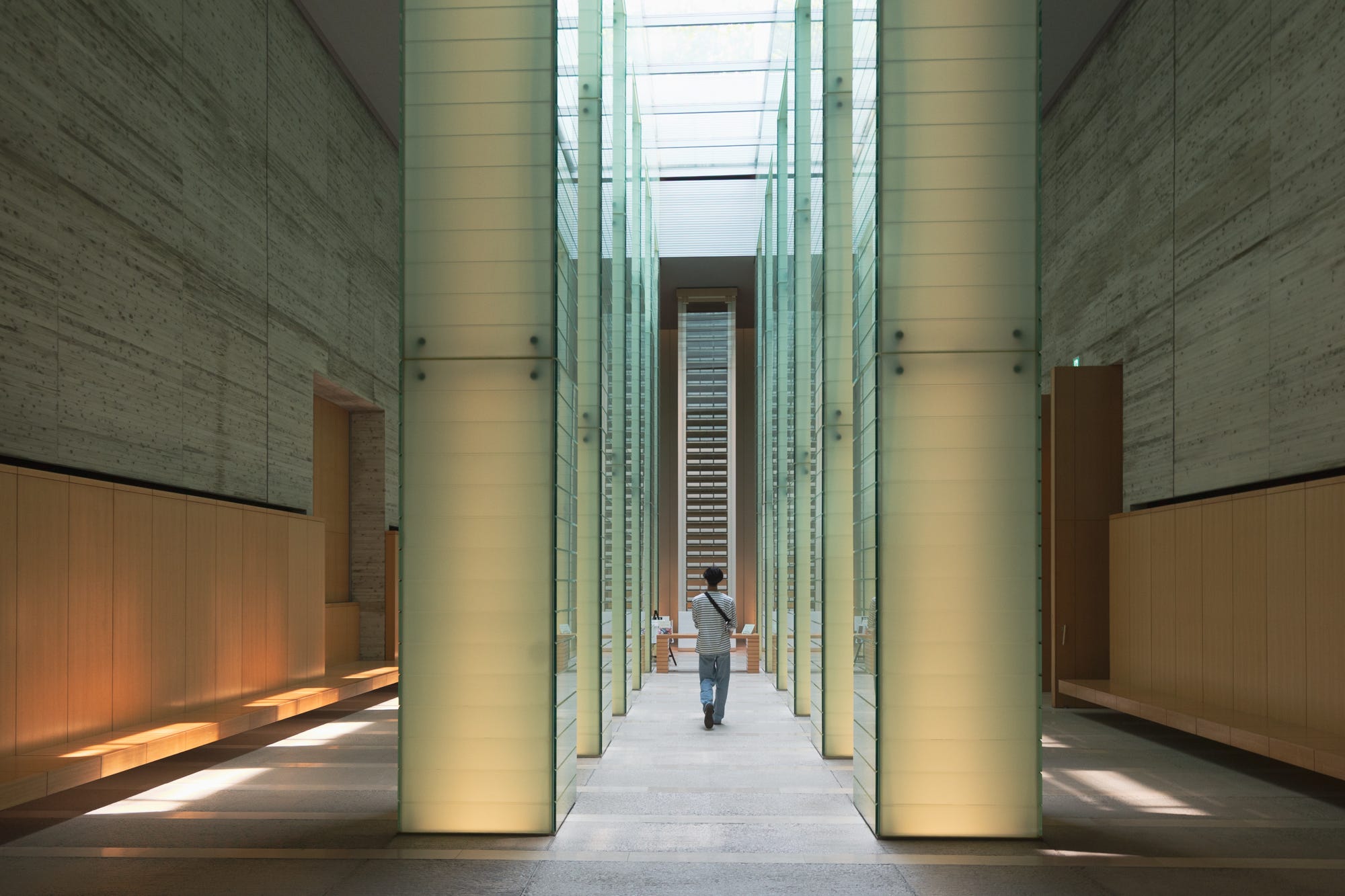
What strikes me most is that these registry books continue to be updated, even 80 years later. As recently as August 2025, new names were added following family notifications, ongoing historical research, and the completion of previously missing records.
Continue reading this post
The remainder of this post is available to paid subscribers. Upgrade below for unlimited access to the complete Letters from Japan archive of around 70 posts. You can use the subscription box below to upgrade and continue reading.
Also available in the archive are these other city walking itineraries:
One Fine Autumn Day in Kyoto — a full-day fall-colors walking itinerary.
One Fine Autumn Day in Tokyo — a walking itinerary for the city’s peak foliage season.
One Fine Day in Kanazawa — a full day on foot covering the city's landmarks.