Good afternoon from Tokyo, the city of perpetual sunshine. Well, at least for the first two months of the year.
Despite the blue skies, the city has been much colder than usual this winter1 and is now bracing for a weekend of snow. Meanwhile, many other regions of the country are already deep in snow, causing transportation disruptions that could impact the outcome of this weekend`s general elections.
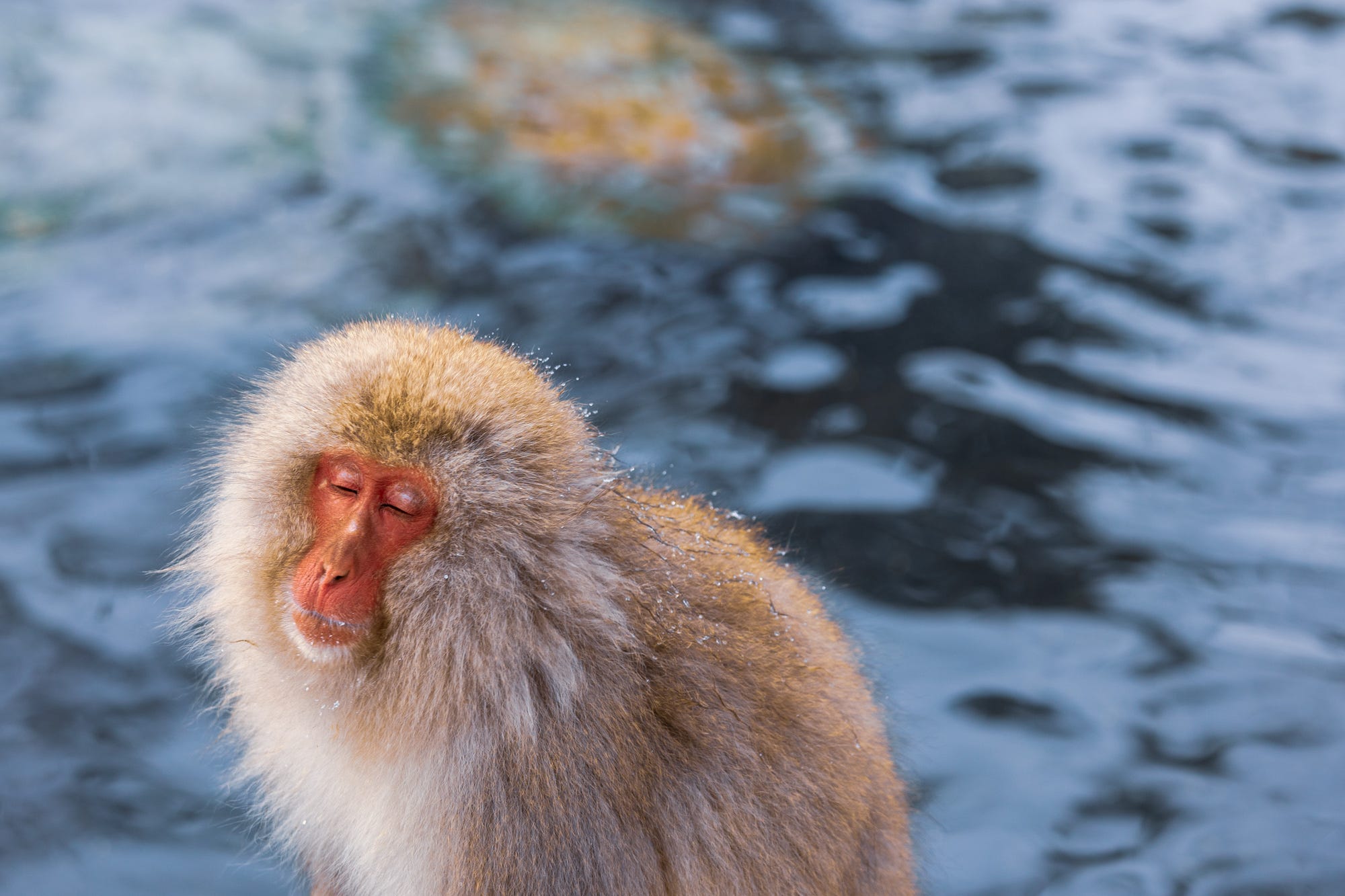
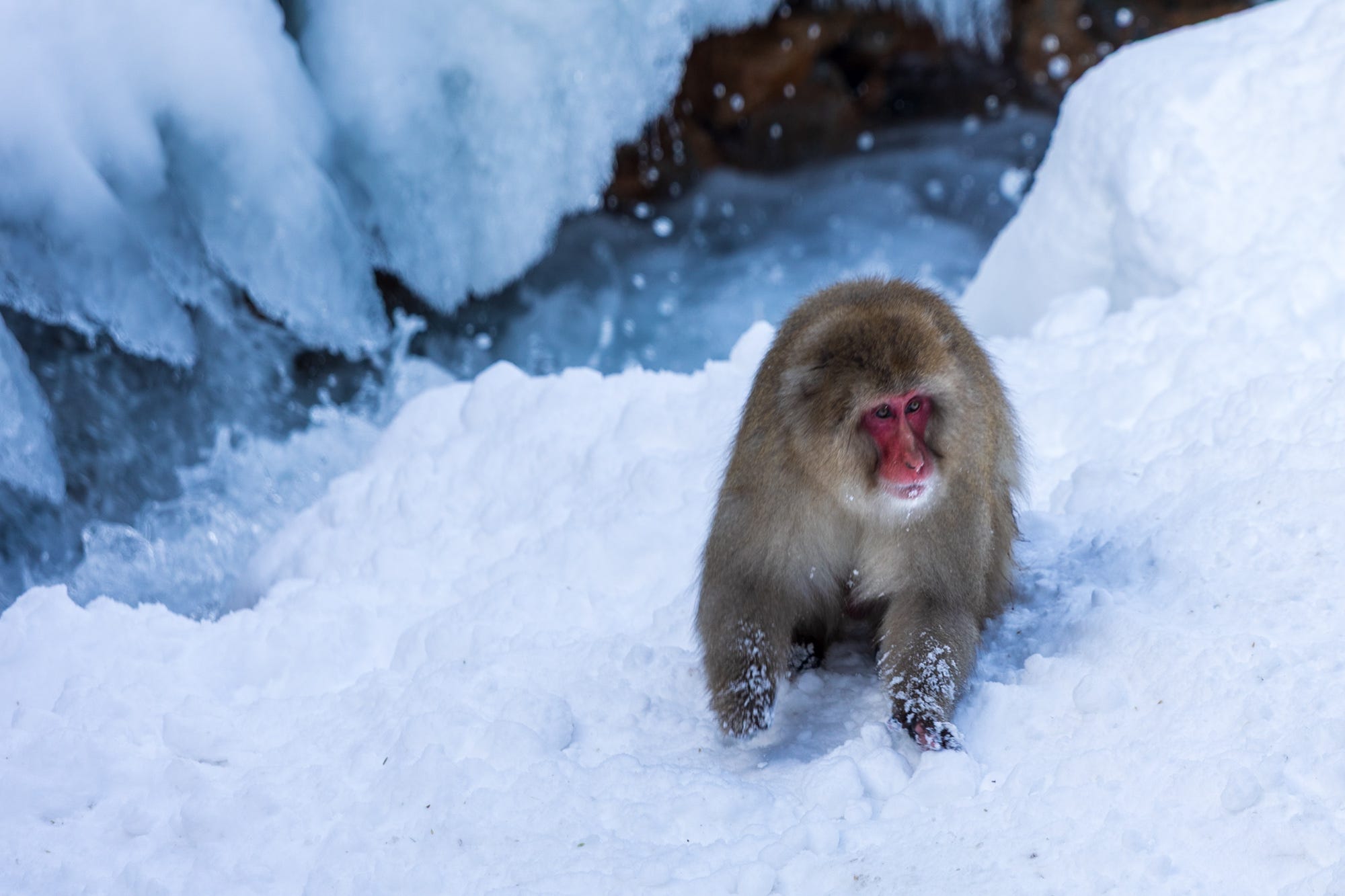
And this past weekend, I was in one of the country`s snowiest prefectures, once the proud host of the 1998 Winter Olympics, an event that put the region’s ski resorts on the international radar and brought almost rock-star fame to its furry inhabitants.2
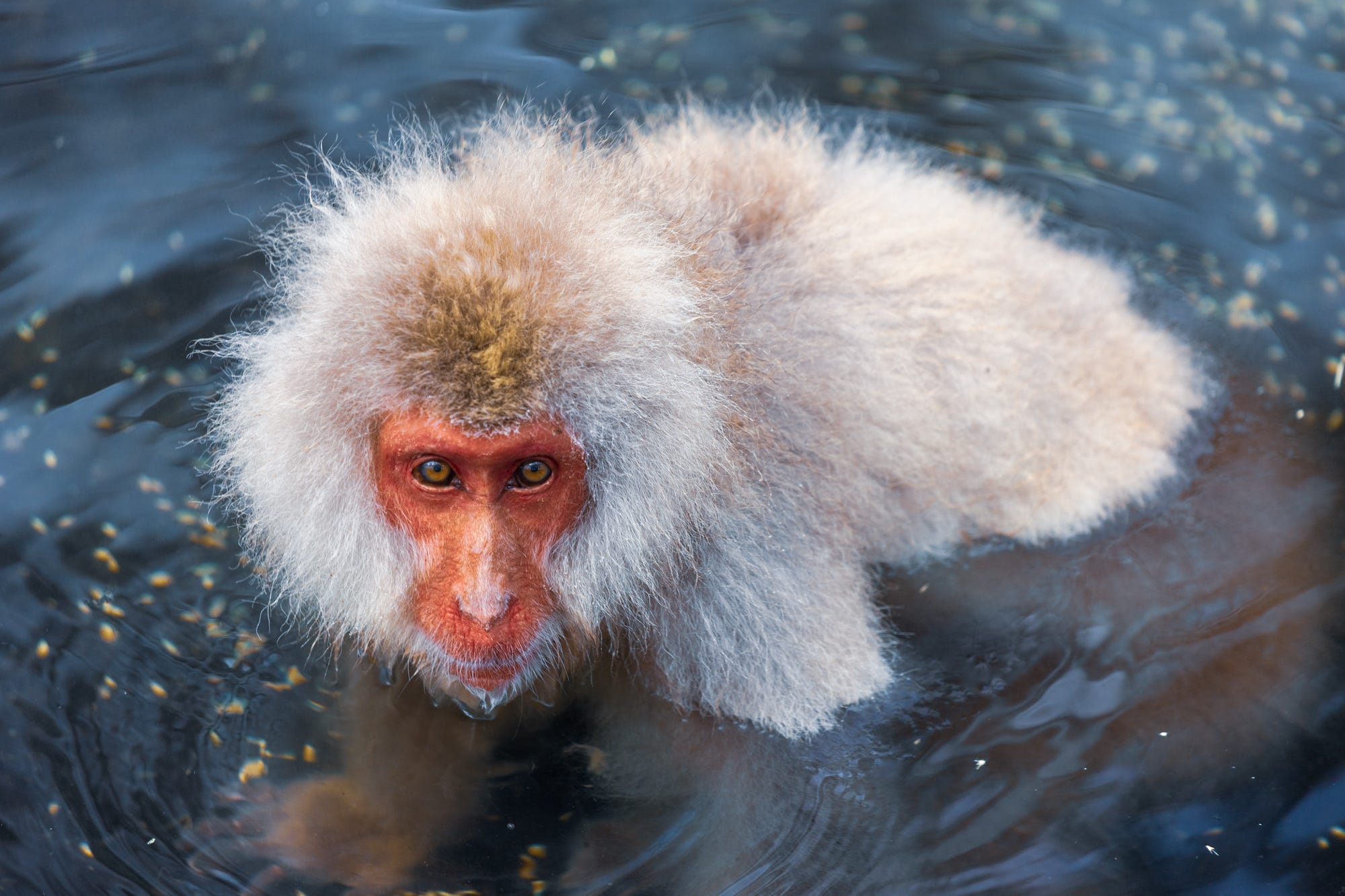
From my not-so-subtle entry, and of course the photo, you might have guessed that this month’s extra post for paid subscribers is about Nagano Prefecture. It covers a recent weekend stay in the small onsen town of Shibu, and a brief but memorable encounter with the prefecture's most famous residents: the snow monkeys.
But before delving into the Nagano weekend, a quick note on what’s coming up next in the newsletter.
After this monthly/annual subscriber-only post, the monthly letter, scheduled for mid-February, will focus on my favorite hiking trails in Japan, starting in Hokkaido and going all the way down to the southernmost islands of Okinawa, including Iriomote. It will follow a format similar to Reading Japan: From Hokkaido to Okinawa, with quick jumps between regions and brief mentions of the trails I love in each one.
Going forward, now that I have my Saturdays back and can travel outside Tokyo on weekends, the extra posts will shift back toward rural Japan, hiking trails, and smaller cities beyond the capital. In March, I’ll be re-walking the Nakahechi Route of the Kumano Kodo with friends visiting from Turkey, and that month’s paid subscibers post will be a detailed guide to a trail I first walked eight years ago and still get the most questions about.
There will also be a few more One Fine Day–style, city-focused posts in the spring, including one on Nagasaki, one of my favorite cities in Japan that I never get tired of revisiting, as well as another on Matsumoto, one of the most strategically located mid-sized towns in the country and an ideal base for a stay combining urban wonders with nature-focused day trips.
You can find a full list of currently available paid-subscriber-only posts here, with links to both the Substack and website versions. Monthly letters, available to all subscribers, will also continue as usual.
As always, thank you for your interest in this newsletter and for the kindness with which you engage with the stories. It means the world to me.
If you wrote to me with a question, I replied to every email I received. If my reply did not reach you, it may have ended up in your spam folder (I also moved my email to a more reliable host a while ago, to minimize delivery issues). If you reach out again, I will do my best to reply as quickly as possible.
A weekend trip to Shibu Onsen and Jigokudani Valley
Now on to our topic.
While I had long been curious about Shibu Onsen, located in the Yamanouchi area of Nagano Prefecture and far more easily accessible from Tokyo than many of the Tohoku onsen I regularly visit, I was more hesitant about its better-known neighbour, Jigokudani Valley, home to a large colony of wild Japanese macaques known for their fondness for the natural hot springs.
I had no doubt the experience would be visually and emotionally moving, but I tend to feel uneasy about trips built around a single focus (hence my complicated relationship with sakura), which made it easy for me to keep pushing Jigokudani Snow Monkey Park further down my never-ending running list of weekend trips from Tokyo.
The area, however, came back on my radar recently after two well-traveled friends included it in their two-week Japan itinerary and found the experience well worth the effort. Around the same time, I was also looking for a quick, easy-to-plan snowy weekend escape from Tokyo, before the next few weekends filled up with trips to Kyoto, where I would be happily accompanying different groups of close friends on their first visits to Japan.
So that is the rather unexciting background to this otherwise fairly satisfying trip, which makes up the topic of this month’s extra post.
Keys to the Onsen Kingdom
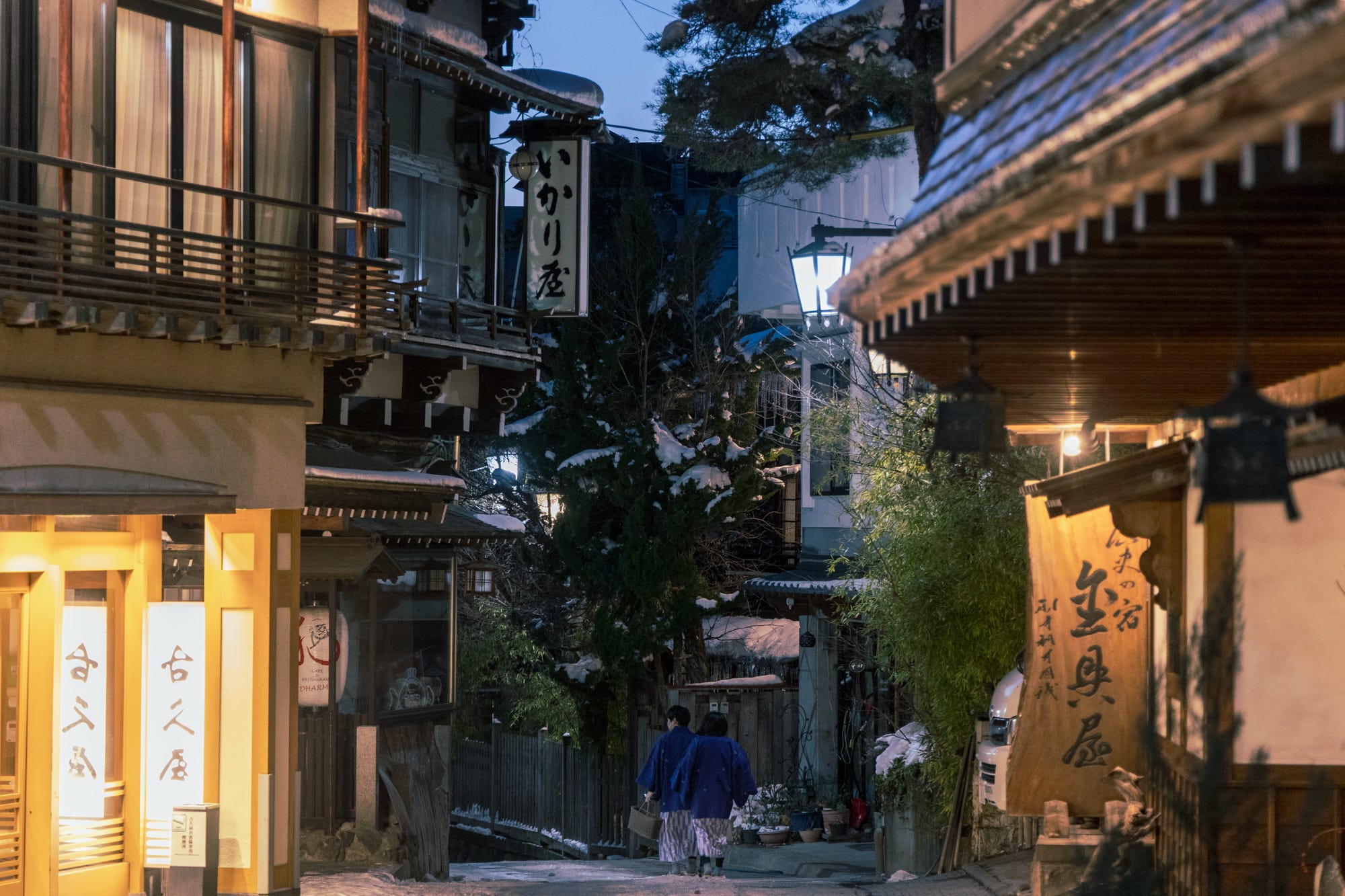
The hot spring village of Shibu, reportedly discovered more than 1,300 years ago, features narrow cobblestone streets lined with several ryokan, including Kanaguya, which may or may not have inspired the visuals for Miyazaki`s Spirited Away.
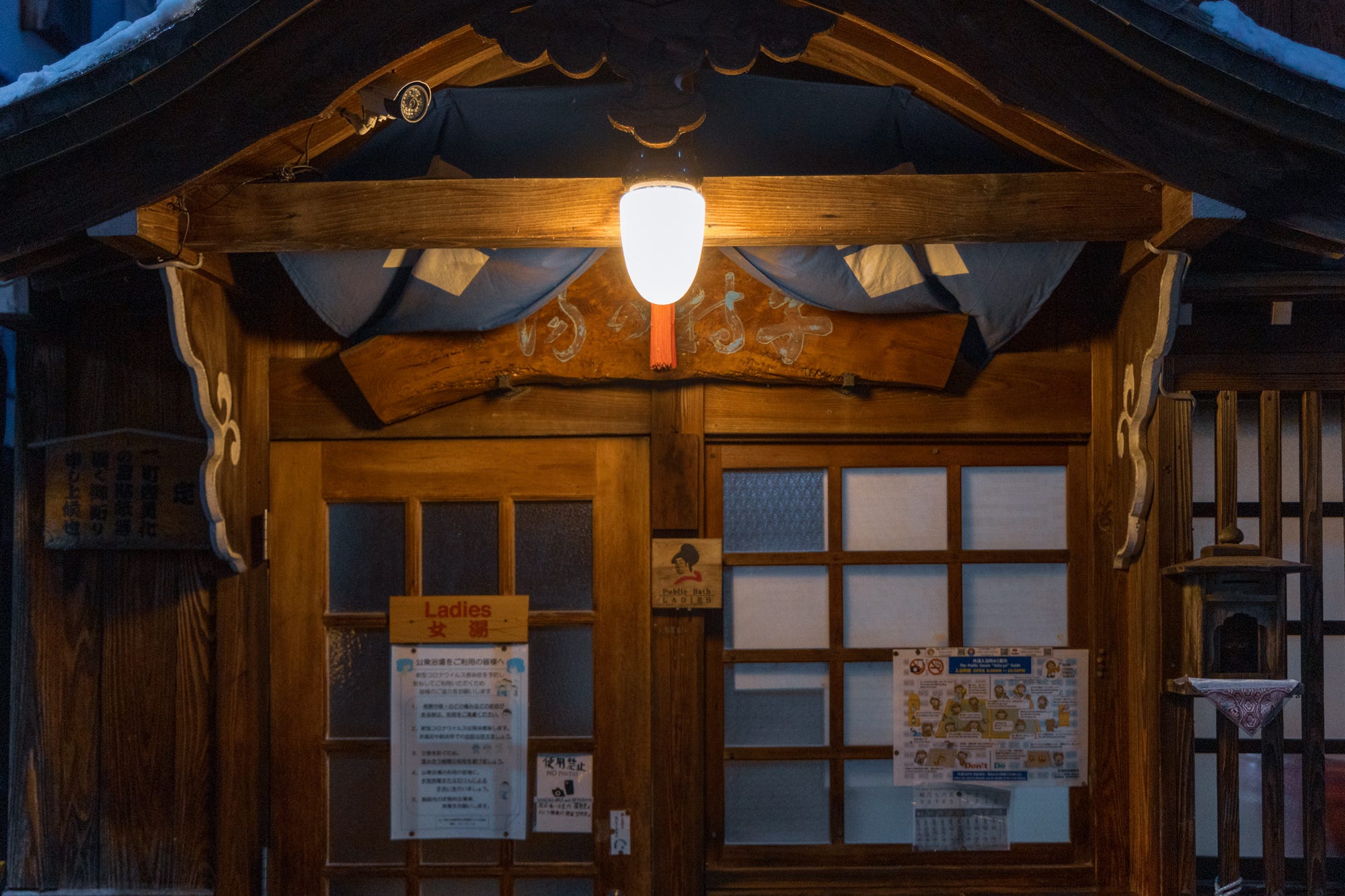
The small town is home to nine community-run historic hot spring baths scattered along its narrow streets. What makes a stay here special is the “key” each ryokan provides to overnight guests, granting exclusive access to all nine baths, which are otherwise closed to day visitors.
This creates a very different atmosphere from many other hot spring towns, where each facility is entered through a reception area and a ticket counter. In Shibu, by contrast, you simply unlock the door to a semi-private bathhouse, shared with other overnight guests and, of course, with locals.
While the village itself is already attractive enough to warrant a visit on its own, Shibu also has the blessing, or the burden, of being within easy walking distance of one of Japan`s most famous winter sights: the snow monkeys of Jigokudani Valley.
Shiga Kogen, one of the venues of the 1998 Winter Olympics, is also just a 20-minute drive away, meaning this part of Nagano is rarely short of visitors, especially in winter.
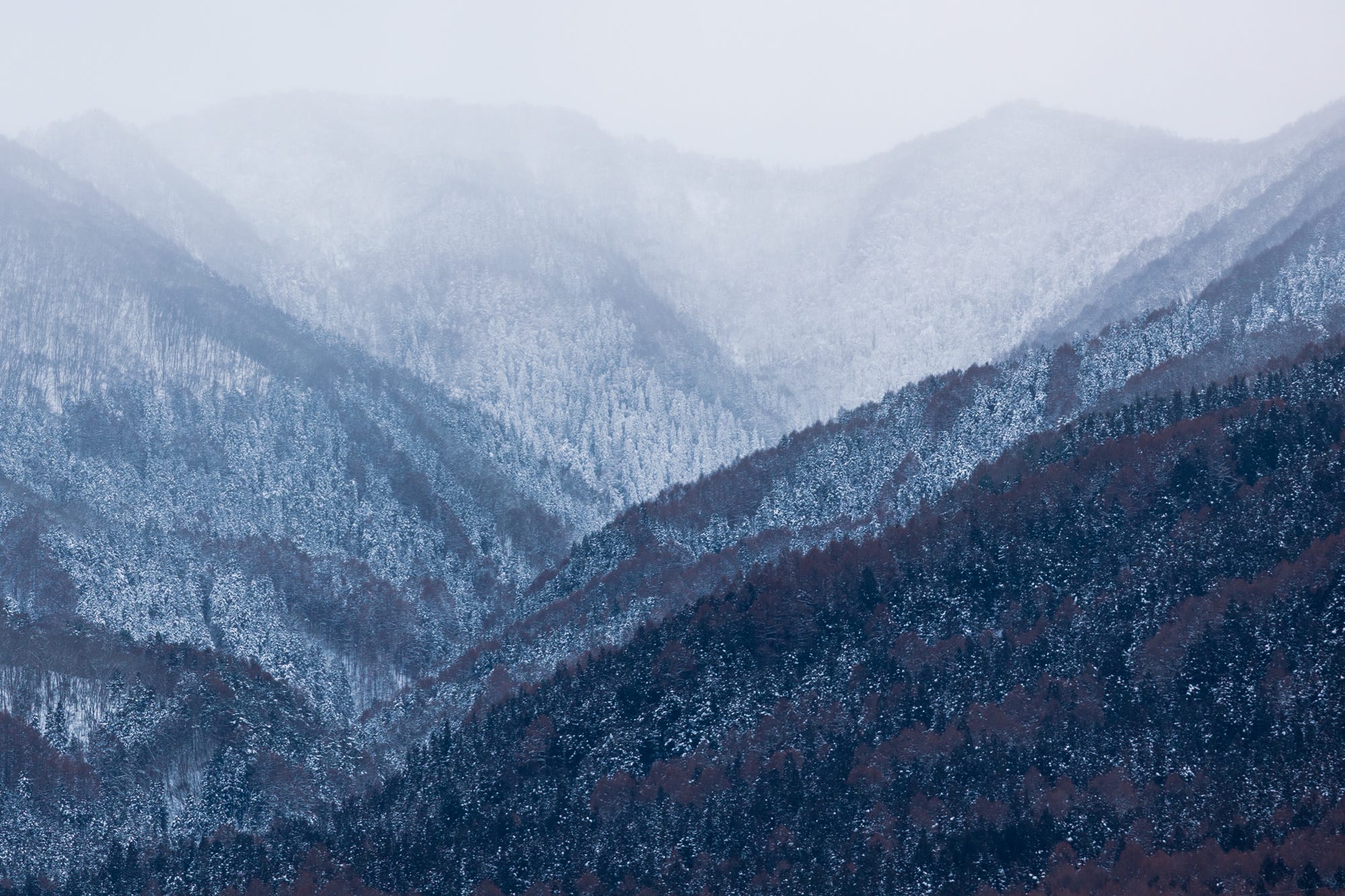
While a day trip to Jigokudani Snow Monkey Park from Tokyo is possible, most visitors choose to stay overnight, either in Shibu Onsen, the neighbouring and larger onsen town of Yudanaka Onsen, or up in Shiga Kogen. Nagano City, less than an hour`s drive away, is also an option, especially for its more affordable and wider range of accommodation.
For a more relaxed schedule, I decided to make it a two-night, two-day trip, leaving Tokyo on Friday evening right after work and spending the night in Nagano City. Thanks to the Shinkansen, which took me there in under an hour and a half, I arrived at my hotel just before 9 p.m.3
The overnight stay in Nagano allowed me to take the earliest train on Saturday morning4, bound for Yudanaka Onsen area,5 which is then connected to Jigokudani’s entrance by public bus. I wanted to arrive at the park right around the opening, leaving time for other activities (which, as it turned out, were fairly limited).
Jigokudani Snow Monkey Park
I was, to my surprise, among the very few people who got off the bus at Jigokudani's entrance, while most of the others, along with their skis and snowboards, stayed on for the final stop, Shiga Kogen.
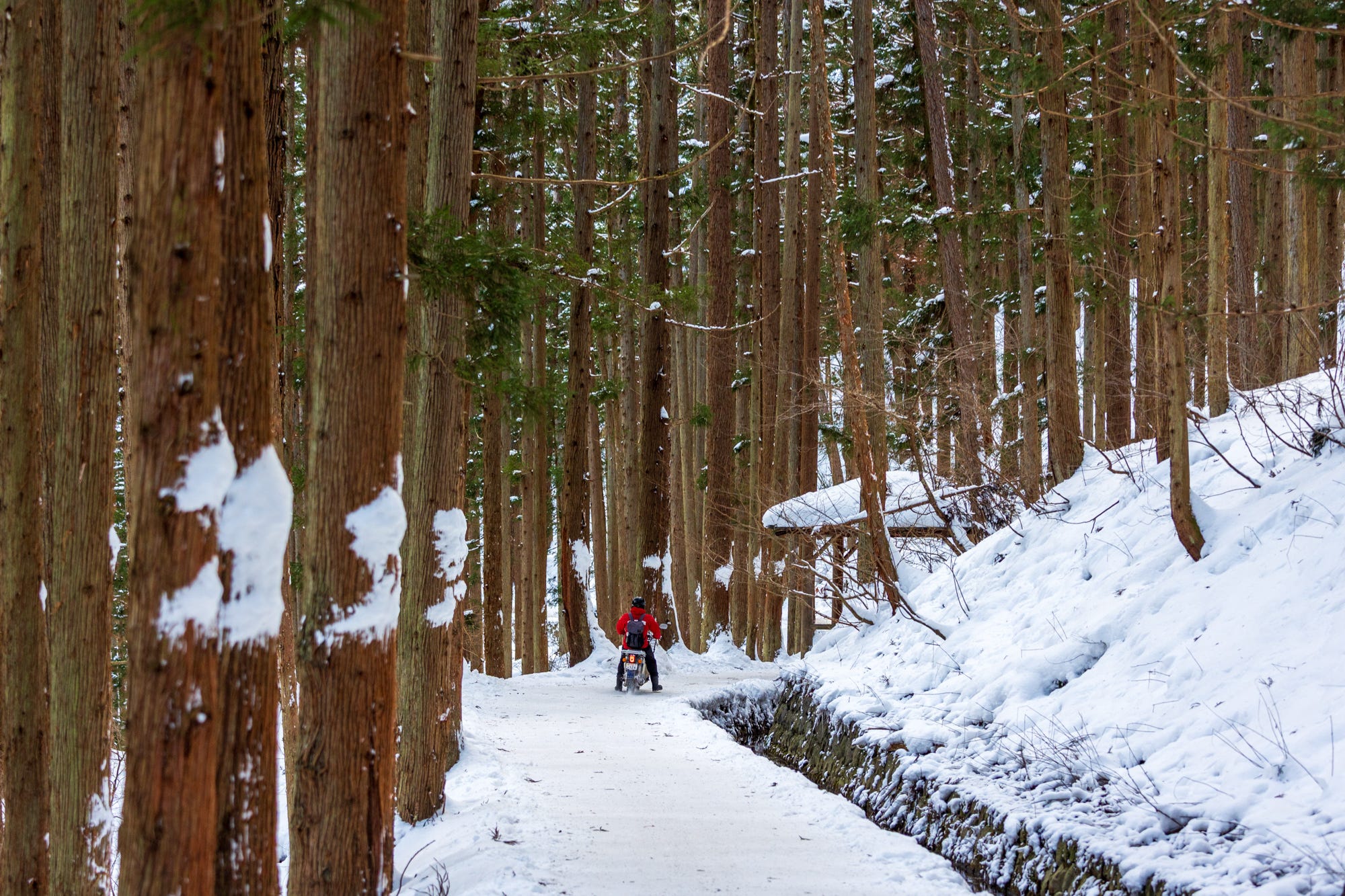
The first part of the visit to the snow monkey park, a gentle, mandatory 30–35-minute walk through the forest, was also unexpectedly quiet.6 I had the trail entirely to myself at around 8 a.m., as most people were probably sensible enough not to brave the freezing cold by standing motionless in front of the ticket office7 for 30 minutes before opening, choosing to arrive a little later in the day.
At that early hour, around 9 a.m., when Jigokudani Snow Monkey Park opens, the small hot spring area where the monkeys gather and are fed by staff had only fifteen to twenty visitors. Despite the below-zero temperatures, we seemed to share an unspoken, collective childlike excitement at witnessing such a surreal and heartwarming scene.