

Good afternoon,
It is a very sunny but windy day in Tokyo. We are almost officially in the spring— the cherry blossoms will start in less than a week. According to the official Sakura forecast, Tokyo will experience full bloom on March 31st.
In terms of the weather, once this strangely persistent (it has been almost a month) and strong wind is gone, we are entering one of the finest seasons in Tokyo. Until the dreaded rainy season hits in early to mid-June, the temperature will gradually rise while the humidity stays at bay, preparing for its revengeful return in July (each year, it feels worse than the last).
After a series of work and leisure trips in the past month, I am looking forward to spending some travel-free time in Tokyo—a city I now adore but never cared for when I first visited Japan as a tourist.
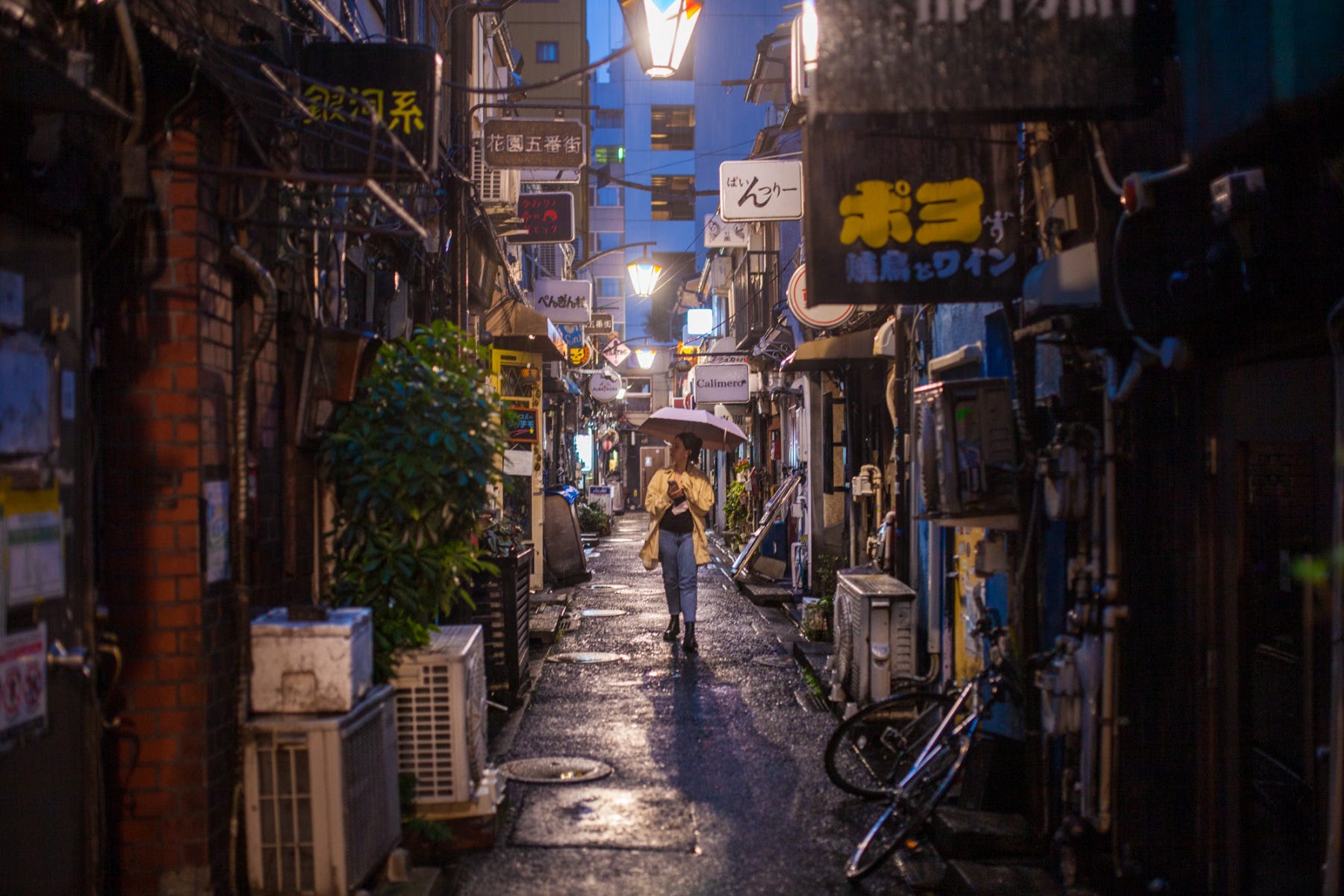
One of the main reasons that I now love Tokyo, in addition to the highly efficient public transportation infrastructure (a love story in itself) that removes a lot of anxiety from daily life, is the options that it presents its residents with. With its vast size and different facets, Tokyo allows you to craft your own living experience. You can lead a very fast-paced, always-happening urban life, but you also have the option to design a quieter life mimicking a small town or even a rural living experience while still having access to all the urban conveniences.
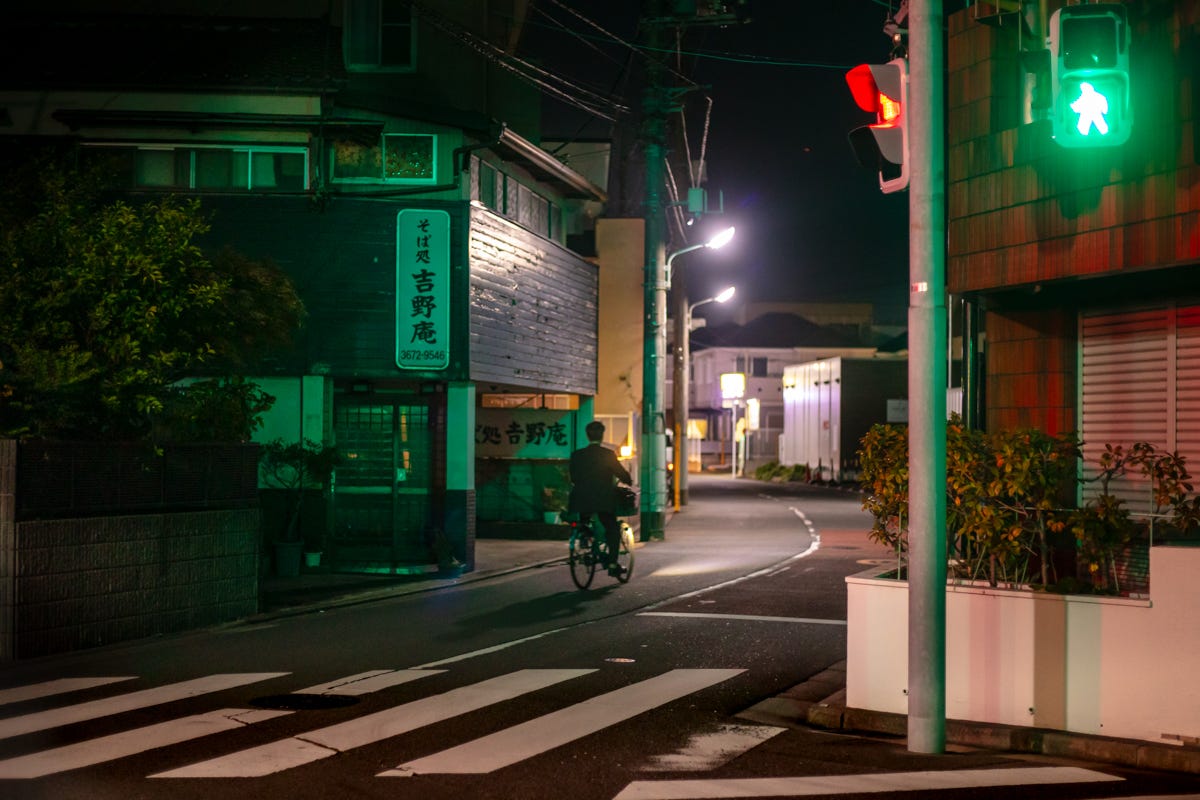
The city has 23 wards, each with unique offerings alongside common amenities. The uniformly high minimum public service standards observed by each municipality ensure that you have access to similar and satisfactory public services regardless of the affluence level of the neighborhood you choose to live in. The same, to a great extent, also applies to the safety conditions.
But when it comes to choosing a travel destination, I have mixed feelings about Tokyo. The aspects of Tokyo that make it an ideal place to live in, the multiple facets and vast size allowing options, can also render it a disorienting place for a first-time visitor. During a short trip, one may not be able to uncover all the dimensions of Tokyo and appreciate how it is more than just another metropolis.
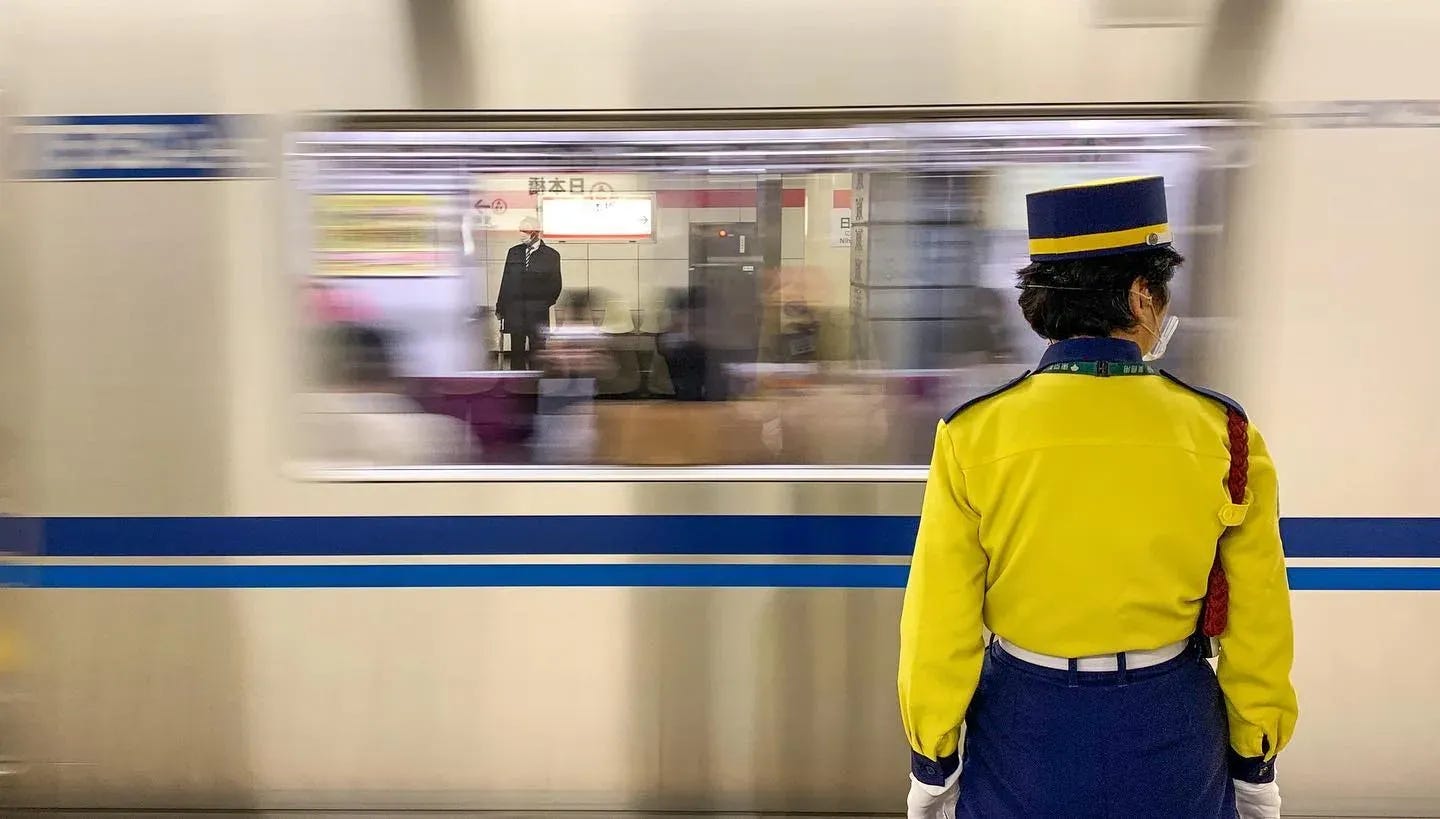
When I first visited Tokyo during my second visit to Japan in 2015, I remember feeling overwhelmed and unable to shake off the feeling that I was visiting just another giant city. I also felt as if I had visited the Tokyo subway more than what was above it. But, of course, for someone more prepared than I was at the time and with a list of specific places to visit, Tokyo has a lot to offer. The city is home to some of Japan's finest history and art museums, city parks, and gardens and offers a truly exciting, tasty, and atmospheric dining/drinking experience.
But, for now, enough about Tokyo and, after last month's letter, about Kyoto. Considering it is now almost the spring season—the perfect time for urban travels—this month's letter is about three "other" cities in Japan that I love and which are full of sights that shine a light on Japan's past and present.1
One of these cities is already very well known for both pleasant and tragic reasons, while the other two still remain relatively undiscovered by international visitors. But I vouch for each of them as a wonderful urban travel destination.
Nagasaki
Last Sunday, on the day that Oppenheimer2 got the Oscar for the best movie, I was in Nagasaki3 visiting the Atomic Bomb Museum. With the displays realistically depicting the event, explanations not holding anything back, and particularly the Remembrance Hall, visiting the Nagasaki Atomic Bomb Museum is always a deeply sorrowful experience.
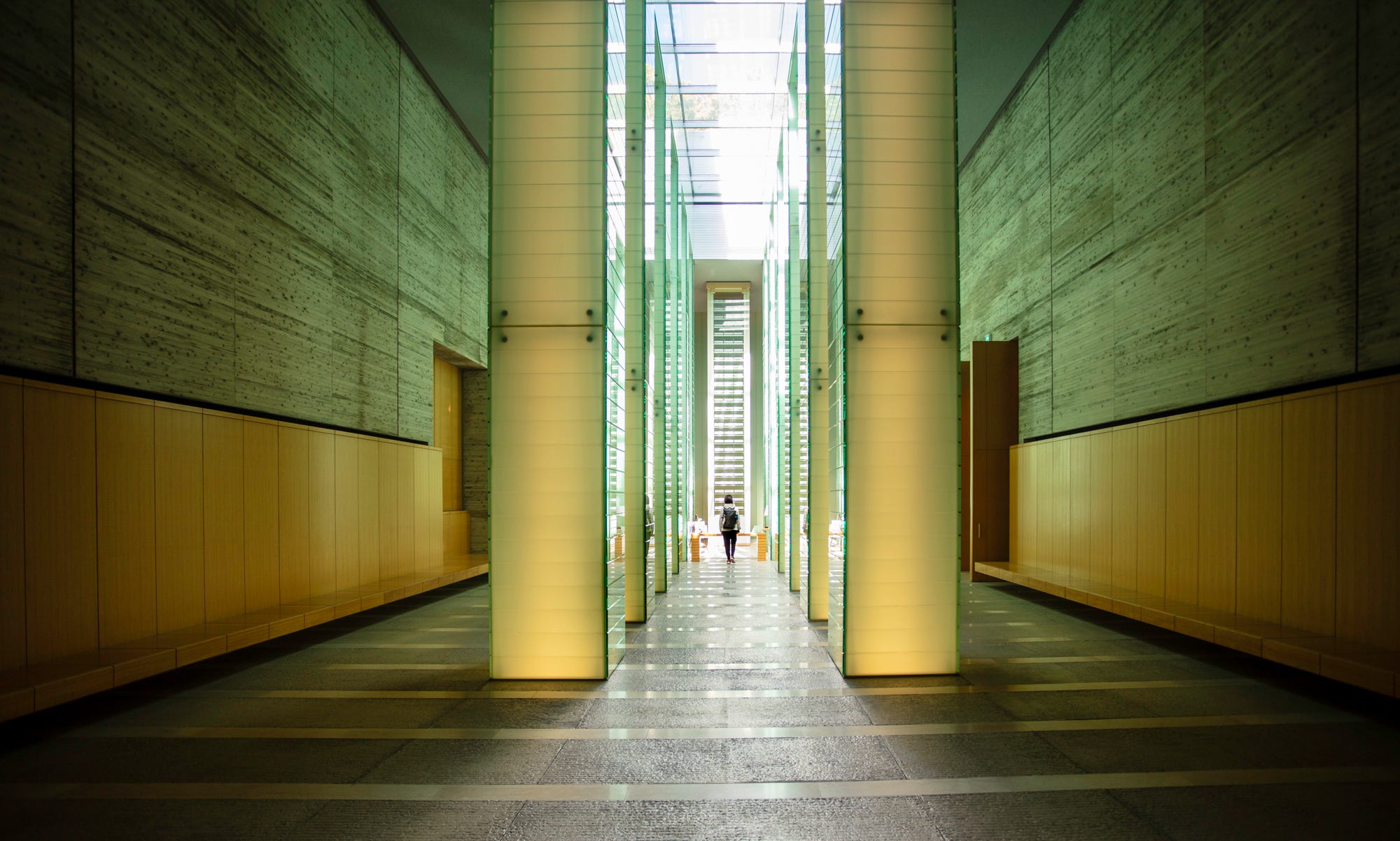
I find Nagasaki to be one of Japan's most important cities to visit. It offers profound insight into the country's historical interactions with the outside world that helps to put modern-day Japan and how it sees the outside world in a better context. While the city is ingrained in our global consciousness with the horrific event of August 1945, ironically, centuries before the atomic bombing, Nagasaki was one the first places in Japan to open its doors to Western culture.
Following the arrival of Portuguese ships on the Japanese shores in the 16th Century, the city quickly became the center of international trade.4 The ships brought not only tradable goods but also a heavy Western influence, particularly religion. The Christian (mainly Catholic) influence in the city was so strong that Nagasaki was referred to as "Little Rome" at the time.
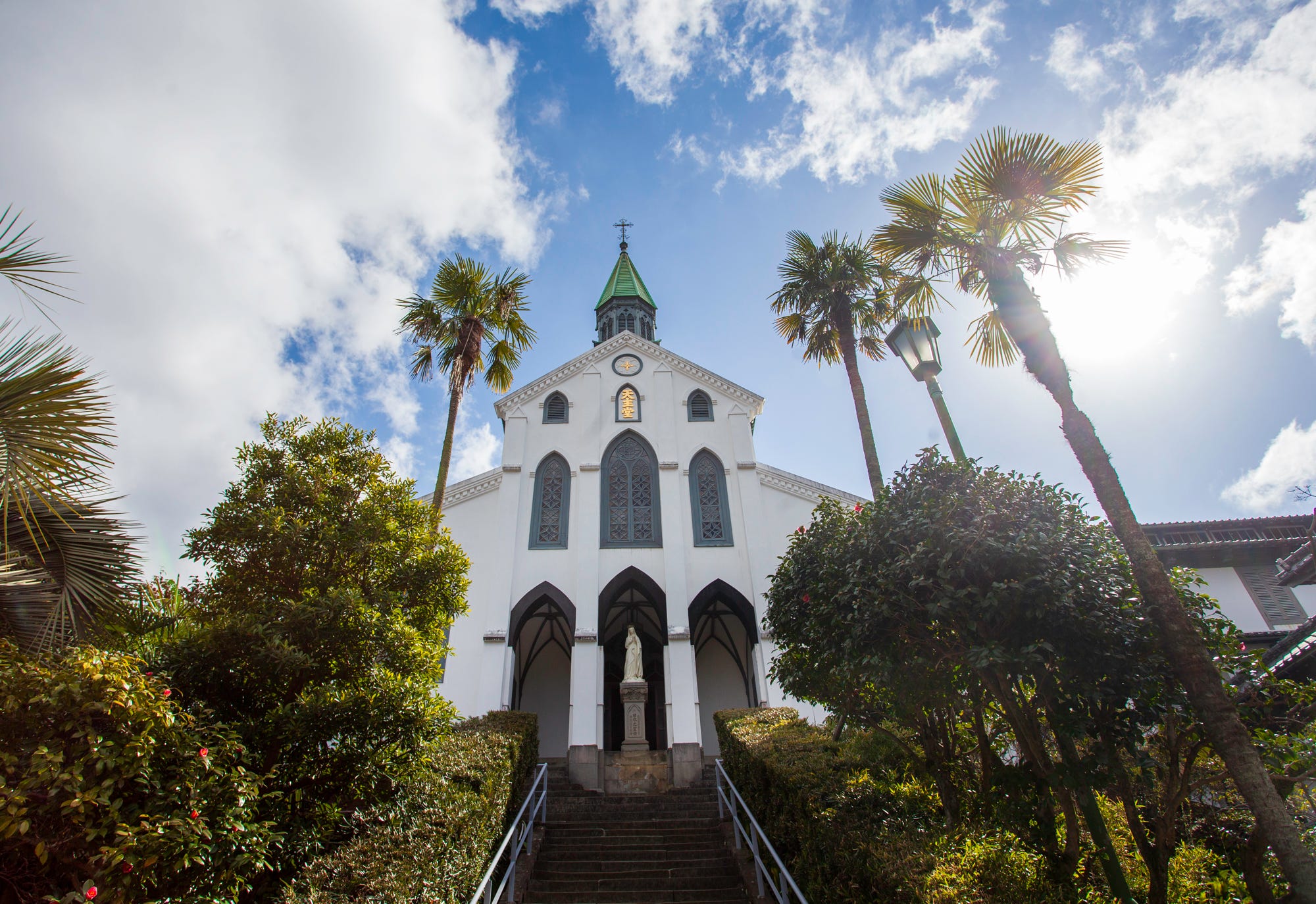
However, following a brief period of openness, free trade, and cultural exchange during which Nagasaki played a front and central role, Japan entered the Sakoku period (meaning locked country) in 1639. During this lengthy period, which lasted until 1853, most foreigners were banned from entering the country while the Japanese were kept from leaving Japan. The policy also entailed a ban on Christianity. But even during this period, Nagasaki remained the only port in Japan open to foreign trade, but in a rather strange manner.
A (fan-shaped!) artificial island called Dejima was constructed off Nagasaki City in 1636, shortly before the beginning of the Sakoku Period. While the small island was initially used to host the Portuguese traders and keep them segregated from the Japanese public (due to, at the time, un-welcomed religious influence), it soon became the home of Dutch merchants, the only western group allowed to enter and trade in Japan during the Sakoku Period.
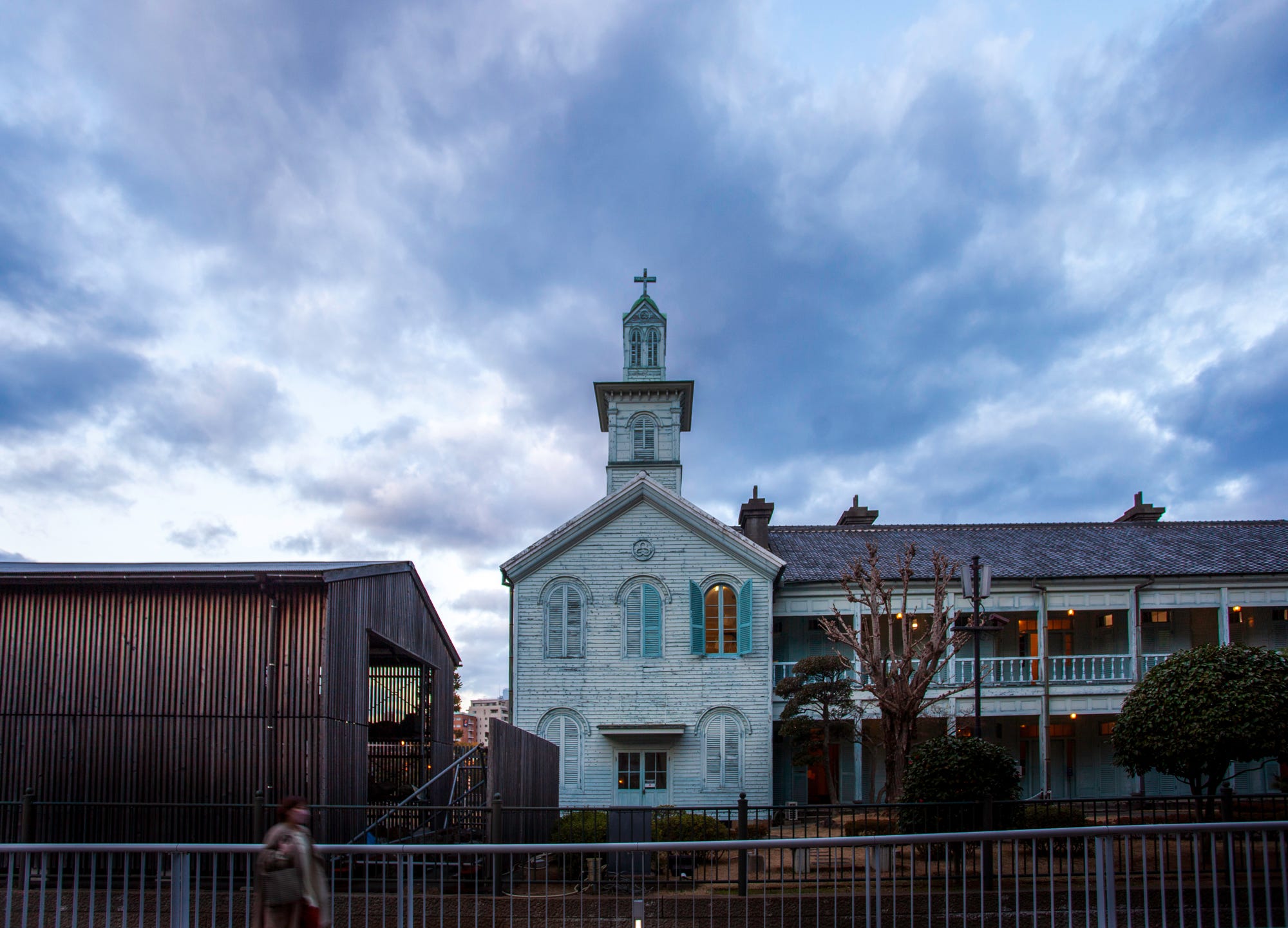
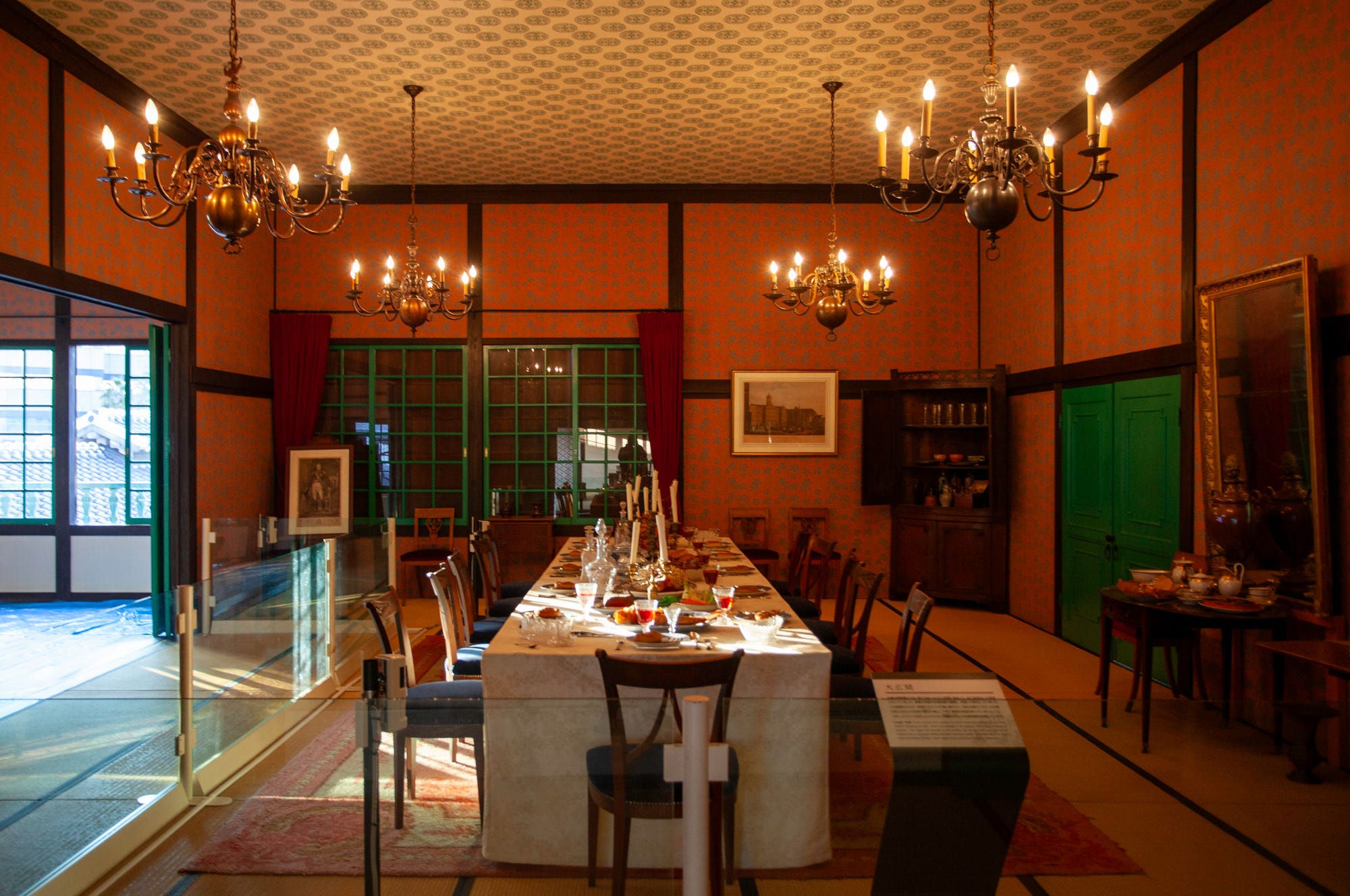
Dejima was home to around 10 to 20 Dutch trade workers, who were not allowed to leave the island except for very limited circumstances, along with some Japanese officials and around 40 buildings, including residences, offices, and warehouses. Dejima, which had once been connected to the mainland with a bridge guarded on both ends, is no longer an island. The surrounding marine area had been reclaimed during the Meiji Period. Today, the island, a mere 15-minute walk from the train station, is open to visitors.5
The allure of Nagasaki is not only about these historical sites. Despite its heavy past, Nagasaki is also one of the liveliest cities in Japan. Embraced by the narrow Nagasaki Bay, it is one of those cities softened by the sea where the water evokes a delightful sense of carefreeness. Surprisingly, there are "even" cafes and restaurants right by the water where people watch the busy harbor traffic and enjoy a morning coffee or an afternoon drink—a rarity in Japan, despite it being an "island nation" where there is usually a barrier/road/tetra paks between the inland life and the sea.

The rest of this post is available to paid Letters from Japan subscribers. Each monthly letter is free to read when published and becomes part of the paid archive when a new monthly letter is published. Paid subscribers receive continuing access to the complete archive of more than 70 posts, including all past monthly letters, additional travel diaries, walking itineraries, and other Japan travel resources. You can use the subscription box below to upgrade and continue reading.