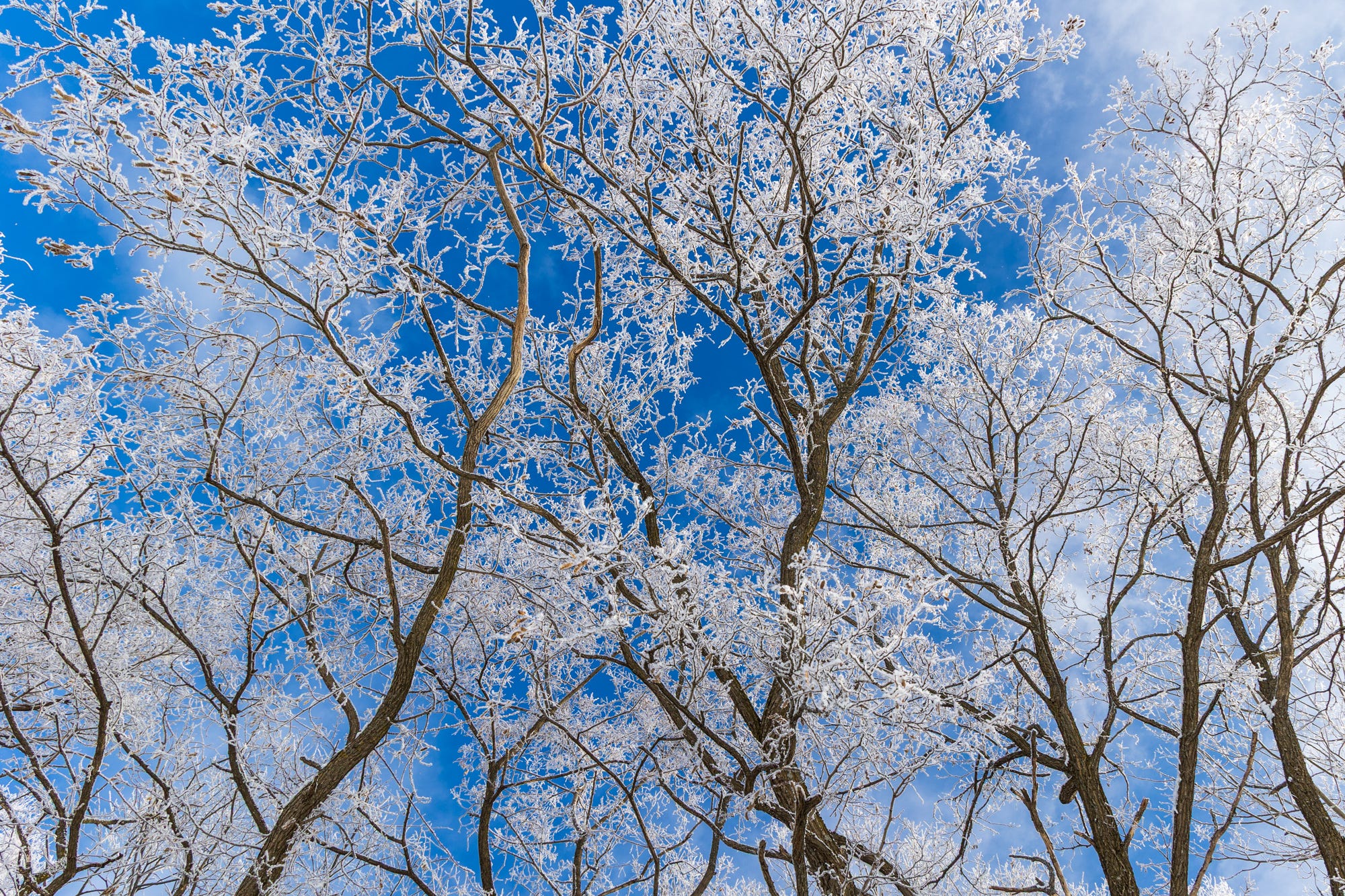
An Ode to the Snow Country: Hokkaido
Letters from Japan, January 2026: a return to Hokkaido.
Good afternoon, and a belated Happy New Year.
Despite all that is going on in the world, I hope the new year brings us all some level of personal peace and things to look forward to.
This is the first Letter from Japan of the year, delivered to you from windy Tokyo, which feels much colder than usual this winter, raising my hopes that we might see some actual snowfall, not the usual slashy kind, this year. If that relatively rare event happens, I will make sure to cover it in one of the future newsletters. But before that, this month, I bring you snow, lots of it, complete with icy waterfalls, from somewhere else: the northern country, otherwise known as the Savage Island or more descriptively as Hokkaido.
What took me to −10 °C Hokkaido this time, right after a grueling 13-hour flight back to Tokyo from Istanbul, was, among several other tangible and intangible reasons (all outlined below), the need to escape the depressive mood that hangs over Tokyo in the first few days of the new year, a city I otherwise find surprisingly soothing, despite its size.
Most people leave town or stay home with their families; all the museums and shops, including grocery stores, close; and streets outside the temple areas1 become ghostly empty, testing the limits of even the most introverted among us, including me. To make things worse, there is also always deceptively inviting sunshine and blue skies, which creates a Pluribus-like anxiety, with all the possibilities outside, yet something deeply missing. While this all on paper sounds like a good excuse to relax at home and indulge in endless streaming, reading, or itinerary planning before getting back to work, I had never managed to make good use of that time in the past.
So instead of kicking off the new year in an uninspired mood in Tokyo, I now spend those first few days in a tiny town called Biei, located in central Hokkaido.
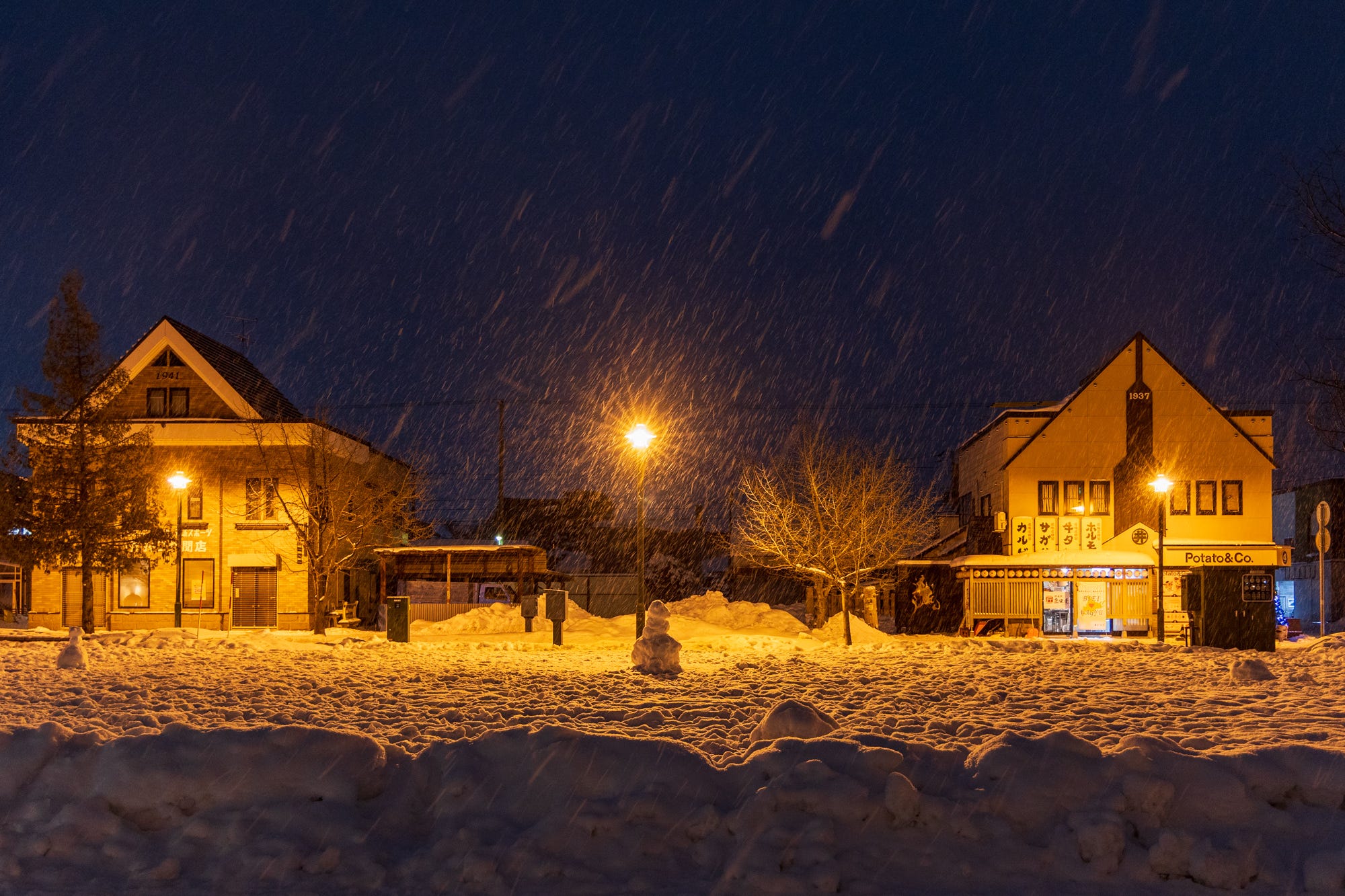
The town offers the perfect antidote to the depressive mood of Tokyo: a cozy hotel, a few restaurants that gracefully remain open even on the first few days of the new year, a web of easily walkable country roads surrounding the town and cutting through endless snow fields, and, more importantly, perfectly calibrated street lighting that Edward Hopper would approve of - adding a great deal of charm to the town`s often empty streets. There is still a sense of solitude, but an impressively deep and pleasurable one, and one that comes with one of the most distinctive winter landscapes.
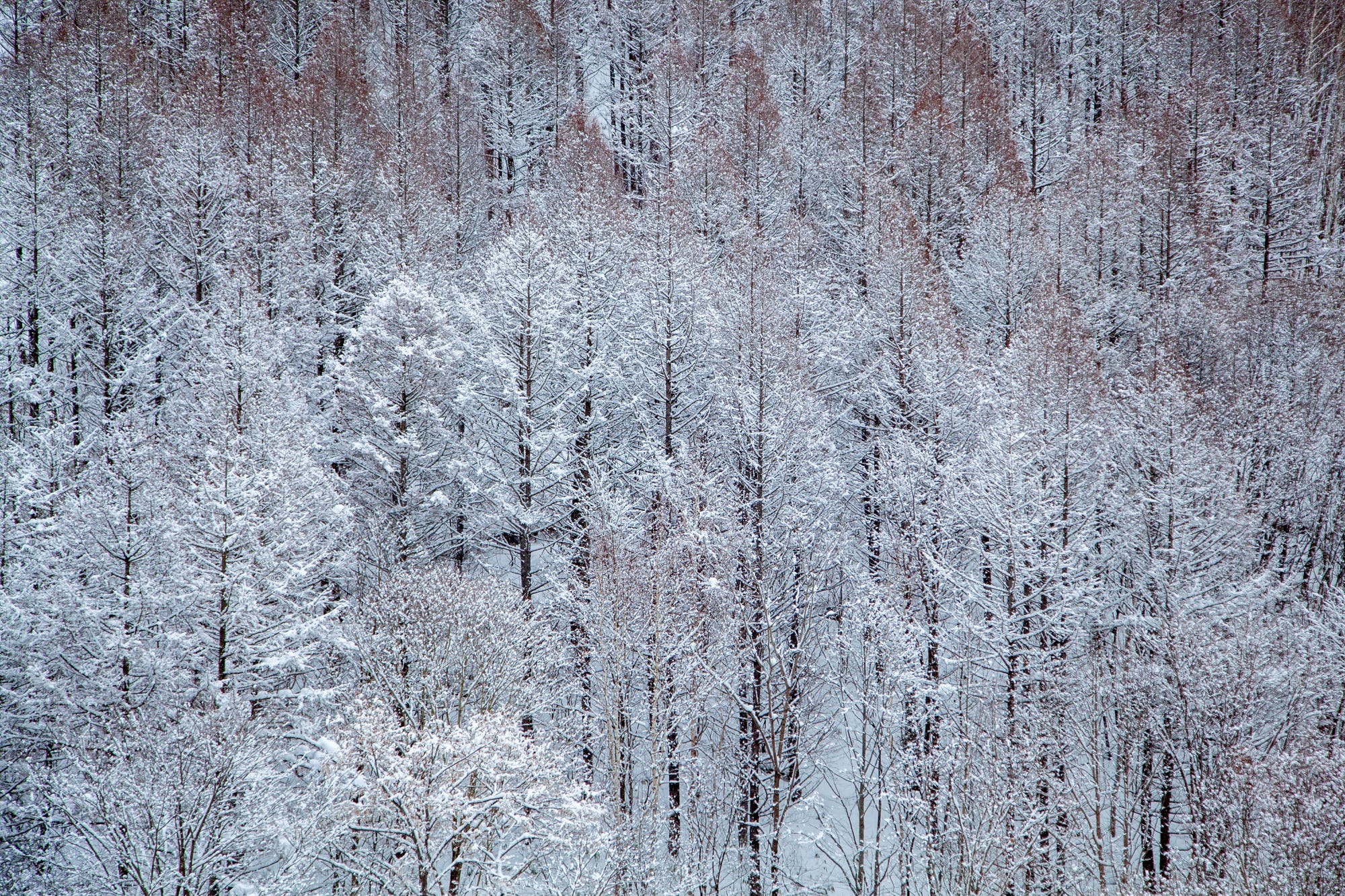
Biei, home to fewer than 10,000 residents, and not modestly but rightfully named as “beautiful crystal” in Japanese (美瑛町), remains reliably covered in snow for almost half of the year, starting in November.
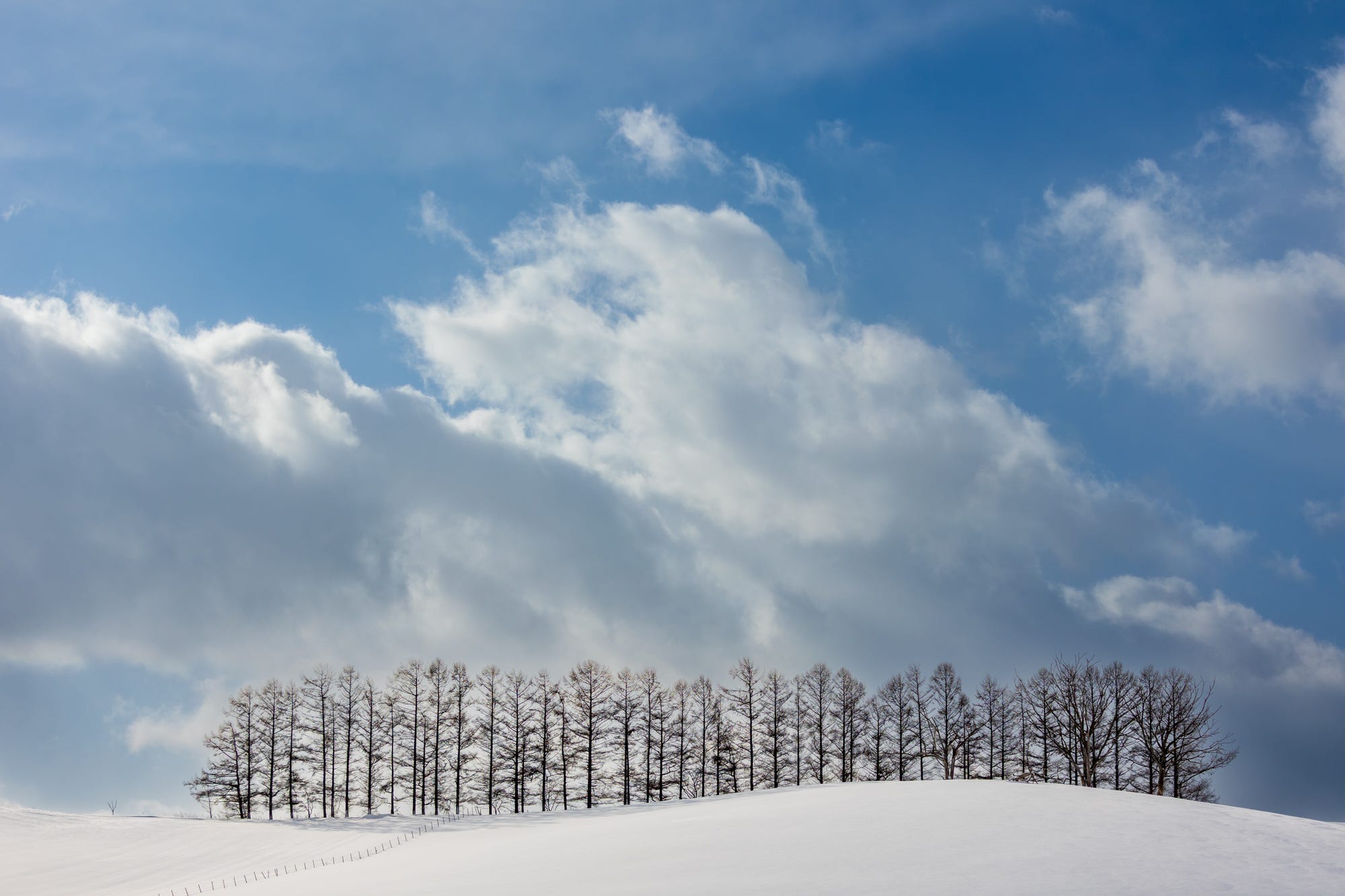
The area, as rural as Japan gets, is surprisingly rich in landmarks, the number of which could easily rival mid-size cities like Kanazawa. But there is a twist: the majority of Biei`s landmarks are trees, which the tourism office promotes with a helpful map and affectionate names like “Puffy” or “Parent and Child”. There is also, of course, the famous Christmas Tree, the Mona Lisa of the Biei area - a lone spruce which, I believe, attracts hundreds of visitors every day in the winter season, leading to strict traffic control in the area.
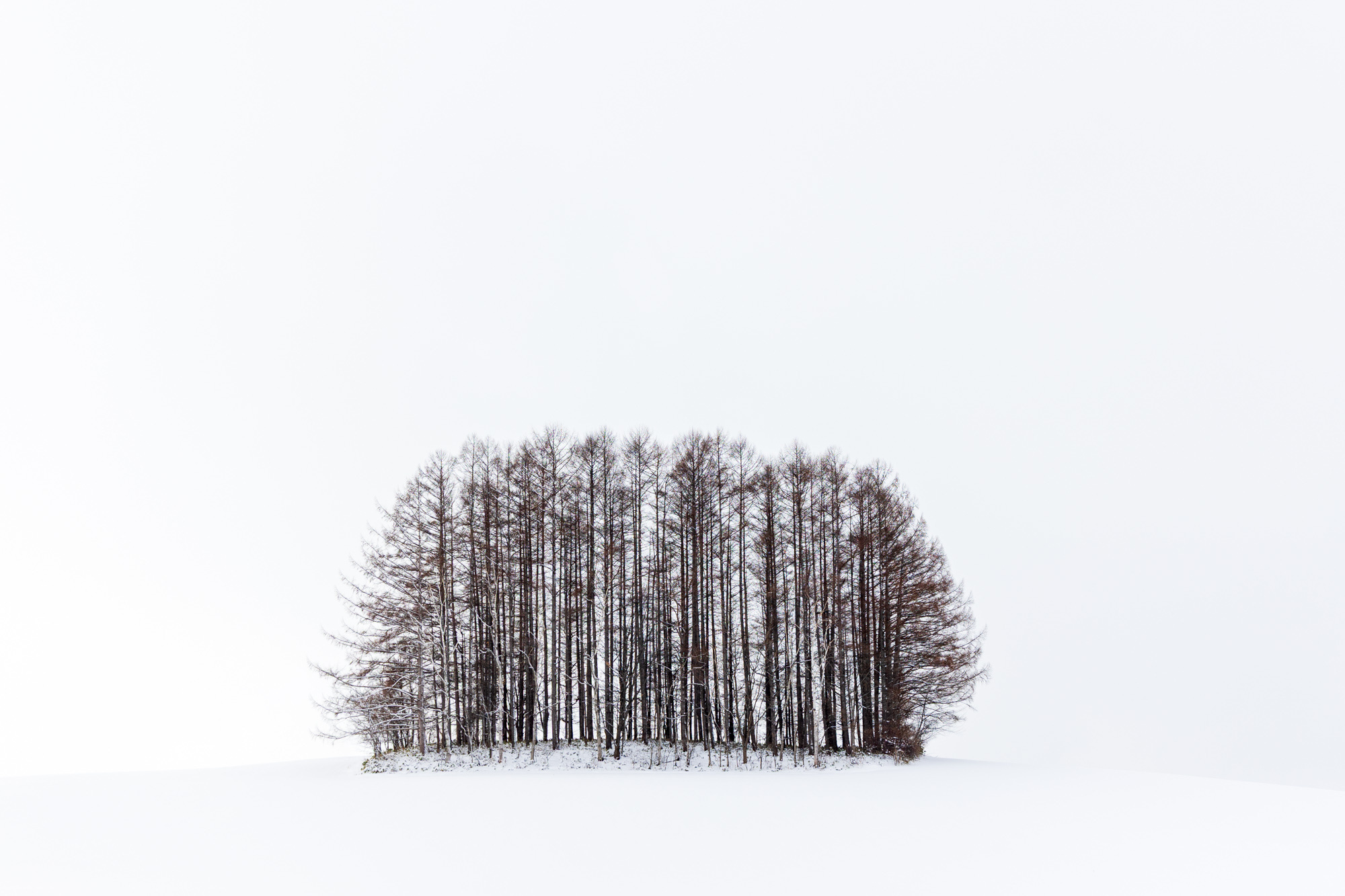
Some of these trees are instantly striking at first sight, standing in solitude against endless snow fields. There are also a few that do not feel very special at first, making you wonder how they made it into the “landmark list”, just to discover they owe their “fame” to pop culture by virtue of being featured on Japanese TV shows or in commercials, such as the Ken & Mary Tree and the Seven Stars Tree.
I am definitely not the only one enamored with the region’s minimalist winter landscape and therefore willing to brave consistently below-zero temperatures. There is no shortage of visitors year-round. But despite the cluster of visitors you encounter right outside the train station and the surrounding area, as predictably picturesque as a Hallmark-style Christmas movie, you are guaranteed long stretches of solitude as soon as you wander outside of town on foot, following the narrow roads where you are likely to run into only a handful of people and cars, and perhaps even a lovely group of deer if lucky.
While what attracts me to Biei is its walkability, there is also a frequent public bus service that allows access to the wider area and sights that loudly demand attention, in sharp contrast to the very quiet, minimalist beauty of the immediate Biei area.
Shiragane Waterfall, with its turquoise waters of the Biei River and icicles hanging above, or Asahidake - the active volcano and the highest peak in Hokkaido, which can feel as intimidating as the moon on a snow blizzard day - are equally worth visiting. They feel much more majestic, almost in a fantastical way, and perfectly complete any trip in search of arresting winter scenery.
Asahikawa, the mid-size city that I always find modestly enjoyable, is also a mere 30-minute train ride away, for a quick urban escape should you need one.
Asahikawa's main allure is not so much the town itself as the easy access it offers to Japan’s largest national park, Daisetsuzan, the Biei area, and the famous ski resort Furano. But I still love spending a few hours in the city on every visit, wandering its streets, which in winter look more enticing than they actually are, with the help of snow and classical music coming from the town speakers, and an array of cozy restaurants with large windows overlooking the snowy streets.
Given my frequent visits, this is not the first time Biei has been featured in this newsletter; last year’s first travel diaries series covered a week-long stay in the area.
Having been there so many times, I would like to say that I now feel a little less urgency around photographic opportunities and am able to more fully enjoy the experience and atmosphere, but that would be a slight white lie. Still, every year, perhaps with five percent less urgency than before if I am lucky, I find myself drawn back to the area at a time when Tokyo, and much of the country, feels a little less inviting.
As always, thank you for being here and for your interest in this newsletter. I will be back in February with a more urban-oriented edition.
Until then,
Burcu
P.S. In addition to the monthly letters, below is a quick recap of the extra itinerary and planning-focused posts available on the newsletter for monthly and annual subscribers. You can access each one here on Substack or on a single page on my website.
One Fine Autumn Day in Tokyo (December 2025)
Tohoku Onsen Hopping: Four Nights, Four Hot Springs (November 2025)
Tokyo Eateries: the Non-Gourmet Version (October 2025)
Autumn Colors Trip to Aomori: Itinerary Suggestion (August 2025)
One Fine Day in Kanazawa (July 2025)
Cycling the Shimanami Kaido in Two Days (June 2025)
Japan Trip Planning Q&A Series (three posts) (February - April 2025)
Winter Trip to Biei in Hokkaido (four posts) (January 2025)
Hiking the Kyoto Trail (five posts) (November 2024)
One Fine Autumn Day in Kyoto (September 2024)
Walking Goto Islands (eight posts) (March 2024)
Hosting the hatsumōde - 初詣, the tradition of visiting a shrine or temple during the first three days of the new year to pray for good luck.


I lived in Sapporo, Hokkaido for a long time and used to visit Biei quite often. Winters there are absolutely freezing, but it’s an amazing place where you can experience true, complete silence.
Soaking in an onsen while looking out at the snowy landscape is truly breathtaking. Biei is also a wonderful place in summer—cool, incredibly beautiful, and especially famous for its flower gardens, which I highly recommend.
thanks for putting into words this dreadful feeling of being in Tokyo for new year’s eve and the first three days of the year. just nailed it 🥲 going to Hokkaido in the end of the month and now just have to go to Biei - thank you for your writing as always, i enjoy it so much!